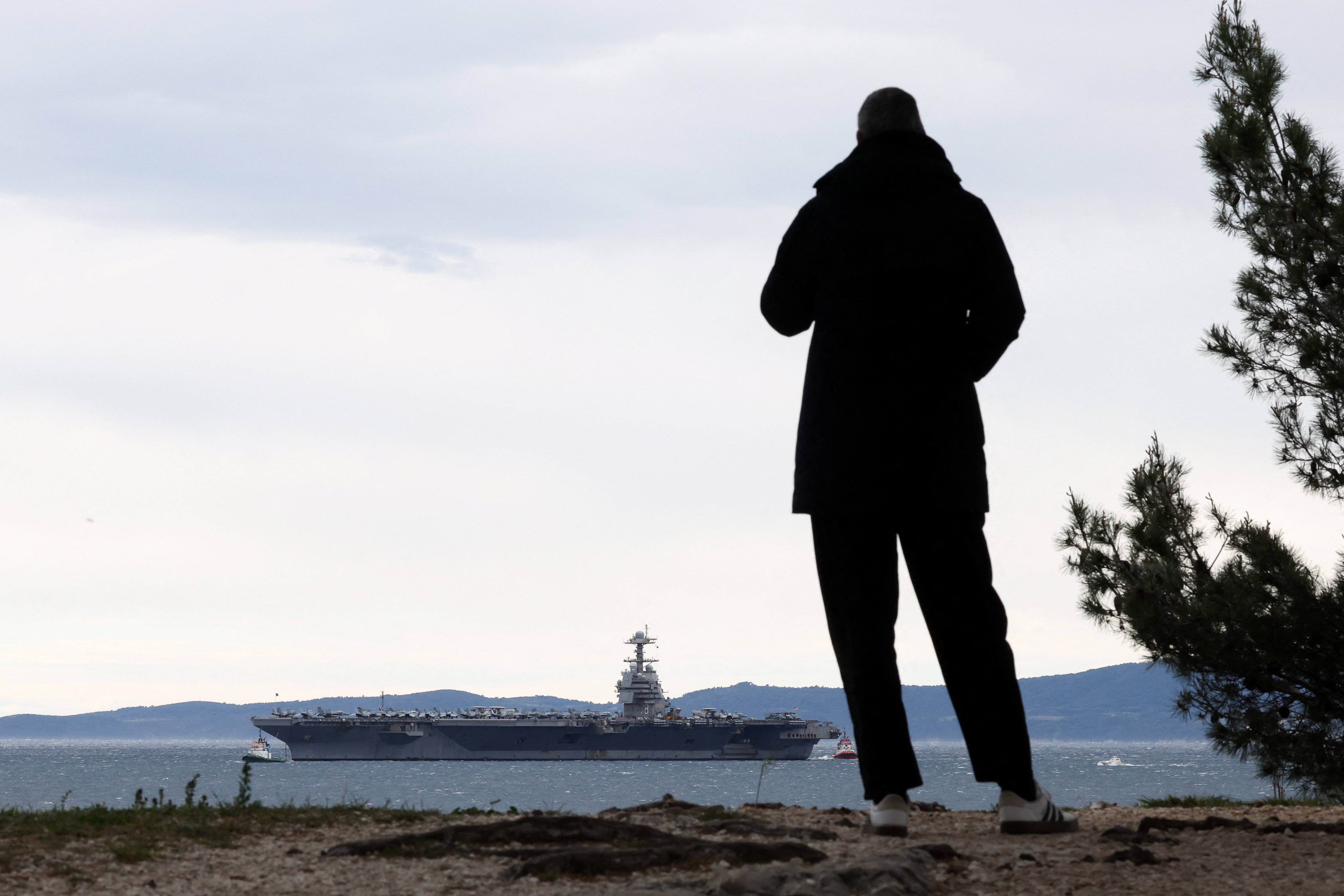
Ford's Adriatic Repair: US Carrier Maintenance Crisis and Risky Reliance on European Allies
USS Gerald R. Ford's repair stop in Croatia after nine months of operations from Venezuela to the Middle East exposes chronic U.S. naval maintenance backlogs, technical issues with the Ford-class, and growing dependence on European allies, raising serious concerns about carrier readiness and power projection at a time of heightened global tensions.
The arrival of the USS Gerald R. Ford in Croatia for repairs after a nine-month deployment that included operations against Venezuelan forces in the Caribbean and subsequent missions in the Middle East is far more than a logistical footnote. While the original Defense News report outlines the basic itinerary, it fails to address the deeper structural problems this reveals about U.S. naval readiness, the limitations of the Ford-class design, and an emerging pattern of Washington depending on European NATO partners for core maintenance functions traditionally handled domestically.
This event connects directly to years of documented strain on the Navy's shipyard infrastructure. The Ford has faced persistent technical challenges since commissioning, from Advanced Arresting Gear malfunctions to aircraft elevator reliability and nuclear propulsion system complexities. By outsourcing repairs to a Croatian facility, the Navy is signaling that major U.S. shipyards like Norfolk Naval Shipyard and Newport News are either backlogged or unavailable, a reality corroborated by the Government Accountability Office's 2024 report 'Navy Ship Maintenance: Further Actions Needed to Address Long-standing Challenges' (GAO-24-106812), which highlighted chronic delays averaging 30-50% beyond planned schedules across the fleet.
The original coverage also missed critical context on operational tempo. Nine months at sea is exceptionally long even by carrier standards, contributing to crew fatigue and deferred maintenance. The Venezuela operations, part of a largely underreported Caribbean contingency, stretched the carrier's availability just as Middle East demands escalated. This multi-theater pull reflects a fleet that possesses only 11 operational carriers when strategic assessments from the Center for Strategic and International Studies (CSIS) consistently recommend a minimum of 12-15 to meet simultaneous Pacific, Middle East, and hemispheric requirements.
Synthesizing the GAO report with a 2025 RAND Corporation study on 'Allied Logistics Dependencies in High-Intensity Conflict' and USNI News reporting on carrier strike group availability, a troubling pattern emerges: U.S. power projection is becoming increasingly tethered to allied infrastructure. Croatia, while a NATO member with a deep-water port, lacks the specialized nuclear-certified facilities typically required for Ford-class vessels. This move suggests either temporary workarounds for non-nuclear systems or a deliberate geopolitical signal of burden-sharing that carries operational risk.
What others have gotten wrong is framing this as routine. Historical parallels, including the extended Red Sea deployment of USS Dwight D. Eisenhower and repeated Nimitz-class maintenance overruns, demonstrate systemic underinvestment in organic repair capacity at a time when China expands its naval shipbuilding at an unprecedented rate. The Ford's detour to the Adriatic raises serious questions about response timelines should a Taiwan contingency materialize while premier U.S. assets are undergoing foreign repairs.
The strategic implication is clear: American naval dominance rests on fragile foundations. Without urgent reform to domestic shipyard capacity and more realistic deployment cycles, the U.S. risks ceding initiative to adversaries who face fewer maintenance constraints. This single port call in Croatia may foreshadow a future where U.S. carriers are regularly serviced across fragmented allied networks rather than projecting uninterrupted presence.
SENTINEL: The Ford's Croatia repair stop reveals that U.S. carrier readiness is more strained than official metrics suggest, forcing reliance on second-tier NATO ports and potentially delaying critical surge capacity in the Indo-Pacific or Persian Gulf during simultaneous crises.
Sources (3)
- [1]Aircraft carrier USS Gerald R. Ford arrives in Croatia for repairs(https://www.defensenews.com/news/your-military/2026/03/28/aircraft-carrier-uss-gerald-r-ford-arrives-in-croatia-for-repairs/)
- [2]Navy Ship Maintenance: Further Actions Needed to Address Long-standing Challenges(https://www.gao.gov/products/gao-24-106812)
- [3]Allied Logistics Dependencies in High-Intensity Conflict(https://www.rand.org/pubs/research_reports/RRA1234-1.html)