Russia Advances Buffer Zone Strategy Amid Escalating Drone Warfare and Border Incursions
Corroborated reports confirm Russia's ongoing expansion of a border buffer zone in Ukraine, driven by drone attacks and incursions, with explicit statements from Peskov and Putin linking advances to security needs; ISW and other outlets provide operational context on tactical shifts.
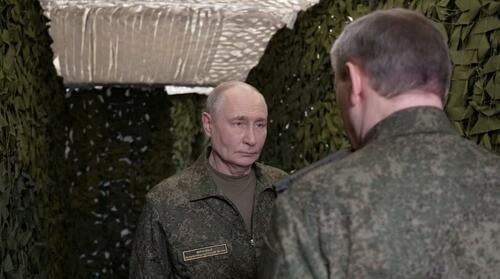
Russian officials, including Kremlin spokesman Dmitry Peskov and President Vladimir Putin, have confirmed the systematic expansion of a security buffer zone along the Ukrainian border in response to Ukrainian drone strikes on Russian territory and cross-border operations. Peskov stated on July 5, 2026, that the zone is being created 'systematically' due to the 'aggressive nature of the Kyiv regime' to protect Russian citizens, with Russian forces registering 'significant results' in advances.[1][2] Putin echoed this during a July 3, 2026, visit to an auxiliary command post in military uniform, noting that increased Ukrainian strikes would necessitate a larger buffer zone in adjacent territories, specifically referencing areas in Kharkiv, Sumy, and Dnipropetrovsk regions.[3][3]
This development aligns with assessments from the Institute for the Study of War (ISW), which has tracked Russian efforts to establish defensible buffer zones in northern axes, including pushes into Sumy Oblast and toward Belgorod Oblast borders, as part of broader offensive operations.[4] Russian forces have reported gains near Kostyantynivka (Konstantinovka), described by Peskov as a milestone toward the fortified Kramatorsk-Slavyansk area.[5] The buffer zone concept, initially framed in response to events like the Kursk incursion, ties directly to drone attacks on Moscow and energy infrastructure, signaling a tactical shift toward deeper territorial control for security.[6]
These moves occur against a backdrop of reported Russian resolve despite logistical challenges, with Putin's uniformed appearance interpreted as a signal of commitment. Wider implications include potential strain on European security dynamics, as buffer expansion could extend Russian influence closer to NATO borders, complicating any negotiated settlements amid ongoing Western discussions on de-escalation.
ISW: Buffer zone expansion likely sustains Russian pressure on northern fronts into late 2026, potentially reshaping frontline geography and complicating European diplomatic efforts.
Sources (5)
- [1]Kremlin confirms Russia building buffer zone along Ukraine border(https://www.turkiyetoday.com/world/kremlin-confirms-russia-building-buffer-zone-along-ukraine-border-calls-war-real-3223290)
- [2]Putin says security buffer zone in Ukraine progressing as planned(https://www.chinadailyasia.com/article/635917)
- [3]Russia's buffer zone on Ukrainian border evolves as ...(https://tass.com/politics/2155885)
- [4]Russian Offensive Campaign Assessment, July 1, 2026(https://understandingwar.org/research/russia-ukraine/russian-offensive-campaign-assessment-july-1-2026)
- [5]The Russia-Ukraine War Report Card, July 1, 2026(https://www.russiamatters.org/news/russia-ukraine-war-report-card/russia-ukraine-war-report-card-july-1-2026)