US Ends Limited Iran Strikes, Oil Prices Fall Sharply as Strait of Hormuz Reopening Hopes Ease Consumer Energy Burden
Limited US strikes on Iran ended quickly on June 10 2026, prompting immediate oil price declines and raising expectations for cheaper gasoline at the pump within weeks, easing inflationary pressures built up during the year-long conflict over the Strait of Hormuz.
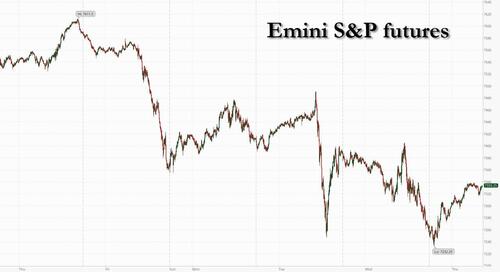
In a swift de-escalation that caught markets off guard, U.S. Central Command declared its latest round of self-defense strikes on Iranian targets complete on June 10, 2026, just hours after launch. Oil futures reversed earlier gains, with Brent crude dropping below $92 per barrel and WTI falling over $1 as geopolitical risk premiums evaporated. This mirrors repeated patterns seen throughout the 2026 Iran conflict, where announcements of ceasefires, extended talks, or postponed attacks have consistently triggered 5-20% drops in crude prices amid optimism over reopening the Strait of Hormuz. Reuters reported oil settling nearly $2 higher on threats of further strikes only days earlier, before reversing on signs of restraint. The New York Times noted prices easing on possible agreements for the Strait's reopening despite ongoing limited exchanges, while CNBC documented a roughly 20% decline from 2026 peaks tied to ceasefire optimism. BBC and Al Jazeera similarly tracked sharp falls following breakthrough reports in US-Iran negotiations. The editorial lens here reveals more than futures traders buying the dip: lower oil translates directly to cheaper gas at the pump for millions of American households within weeks. The 2026 conflict had driven US gasoline prices up significantly—often adding $0.85-$1.15 per gallon above baseline according to economic analyses—due to disrupted global supply chains, even though the US imports no direct Iranian crude. Higher energy costs fed broader inflation, complicating Federal Reserve policy and hitting consumer spending. De-escalation removes the immediate war-risk premium that had kept Brent volatile above $90-$120 at peaks. While full transmission to retail gas prices lags 1-4 weeks as refiners and distributors adjust inventories, the effect compounds: every $10 decline in crude typically shaves 20-30 cents off pump prices nationally. Missed connections include ripple effects on AI infrastructure buildout—Oracle and hyperscalers cited in recent earnings face lower energy costs for data centers—and reduced pressure on small businesses and agriculture, sectors hit hardest by transport fuel spikes. Stocks, especially tech and small caps, rose in response, with S&P futures gaining as war jitters faded. Official statements from CENTCOM frame the strikes as limited and concluded, aligning with President Trump's signals favoring negotiations over prolonged escalation. This episode in the broader 2026 Iran war underscores a critical dynamic: even superficial or self-described "limited" military actions create outsized commodity volatility, but restraint delivers rapid, tangible relief to everyday consumers far faster than protracted diplomacy alone.
LIMINAL: Swift end to US strikes on Iran strips the war premium from oil markets, delivering cheaper gas to millions of drivers in weeks and quietly relieving inflation pressures that mainstream coverage often attributes only to domestic policy.
Sources (5)
- [1]U.S. Forces Complete Latest Strikes in Iran(https://www.centcom.mil/MEDIA/PUBLIC-RELEASES/Article/4514154/us-forces-complete-latest-strikes-in-iran/)
- [2]Oil settles up nearly $2 after Trump threatens to hit Iran 'very hard'(https://www.reuters.com/business/energy/oil-rises-nearly-1-us-launches-new-strikes-against-iran-supply-tightens-2026-06-10/)
- [3]Oil Prices Ease on Possible Agreement for Strait's Reopening(https://www.nytimes.com/2026/05/28/business/oil-gas-price-iran.html)
- [4]Oil prices fall 20% as traders eye U.S.-Iran ceasefire(https://www.cnbc.com/2026/05/29/oil-prices-iran-ceasefire-us-trump-strait-hormuz-energy-costs.html)
- [5]Oil prices fall after report of breakthrough in US-Iran talks(https://www.bbc.com/news/articles/cp3p62xddq4o)