25 Years After 9/11: Persistent Costs and Security Shifts in U.S. Air Travel
The 9/11 attacks led to billions in airline losses, multiple bankruptcies, and the creation of the TSA, resulting in higher costs, delays, and enhanced security that continue to shape air travel 25 years later.
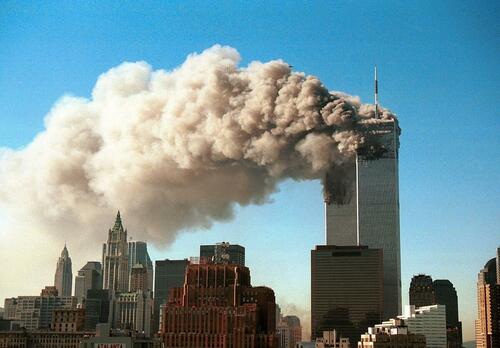
The September 11, 2001 terrorist attacks fundamentally reshaped commercial aviation in the United States, imposing lasting financial burdens on airlines and transforming airport security. U.S. passenger airlines, which earned $2.2 billion in profits in 2000, suffered an $8 billion loss in 2001, with revenues not recovering to prior levels until 2004. These setbacks contributed to bankruptcies at carriers including US Airways and United Airlines in 2002. The FAA grounded all flights for several days, and passenger confidence plummeted amid fears of further hijackings. In response, Congress passed the Aviation and Transportation Security Act in November 2001, establishing the Transportation Security Administration (TSA) to federalize airport screening. The TSA's annual budget now stands near $11-12 billion, funded largely by taxpayers, while passengers face longer lines, additional fees, and procedures such as reinforced cockpit doors and restrictions on liquids and electronics. Analyses from the GAO and NBER attribute much of the industry's post-9/11 downturn to reduced demand and structural challenges, including competition from low-cost carriers, though security enhancements added operational costs and delays. Despite these changes, air travel has seen innovations like expanded PreCheck programs and testing of gate access for select passengers, even as core security measures endure. Sources confirm that while some pre-9/11 conveniences have returned in limited forms, the overall system remains more expensive and restrictive for domestic fliers.
Analyst: Heightened security and costs from 9/11 have normalized into baseline operations, but incremental easing (e.g., PreCheck expansions) may gradually reduce passenger friction without compromising core protections.
Sources (5)
- [1]25 Years Later, Air Travel Still Bears The Imprint Of 9/11(https://www.theepochtimes.com/us/25-years-later-air-travel-still-bears-the-imprint-of-9-11-post-6084248)
- [2]If you flew before 9/11, you probably still can't believe this(https://www.usatoday.com/story/travel/airline-news/2026/09/03/how-september-11-changed-air-travel/91358399007/)
- [3]The Persistent Financial Losses of U.S. Airlines(https://www.nber.org/digest/jul11/persistent-financial-losses-us-airlines)
- [4]Legacy of 9/11: A decade of disruption for airlines(https://www.flightglobal.com/airlines/2021/08/legacy-of-9-11-a-decade-of-disruption-for-airlines/)
- [5]Financial Management: Assessment of the Airline Industry's Estimated Losses Arising From the Events of September 11(https://www.gao.gov/products/gao-02-133r)