Mind Over Medication: How Baduanjin, Qigong and Yoga Challenge Pharma-First Hypertension Care
A high-quality 412-person RCT in JACC showed baduanjin qigong reduced systolic BP ~9 mmHg sustained over one year, comparable to some medications. Synthesizing this with a 2021 qigong meta-analysis and 2019 AHA review reveals mind-body practices target stress pathways often untouched by drugs alone. This reflects rising demand for non-pharma options while exposing gaps in adherence and generalization in existing coverage.
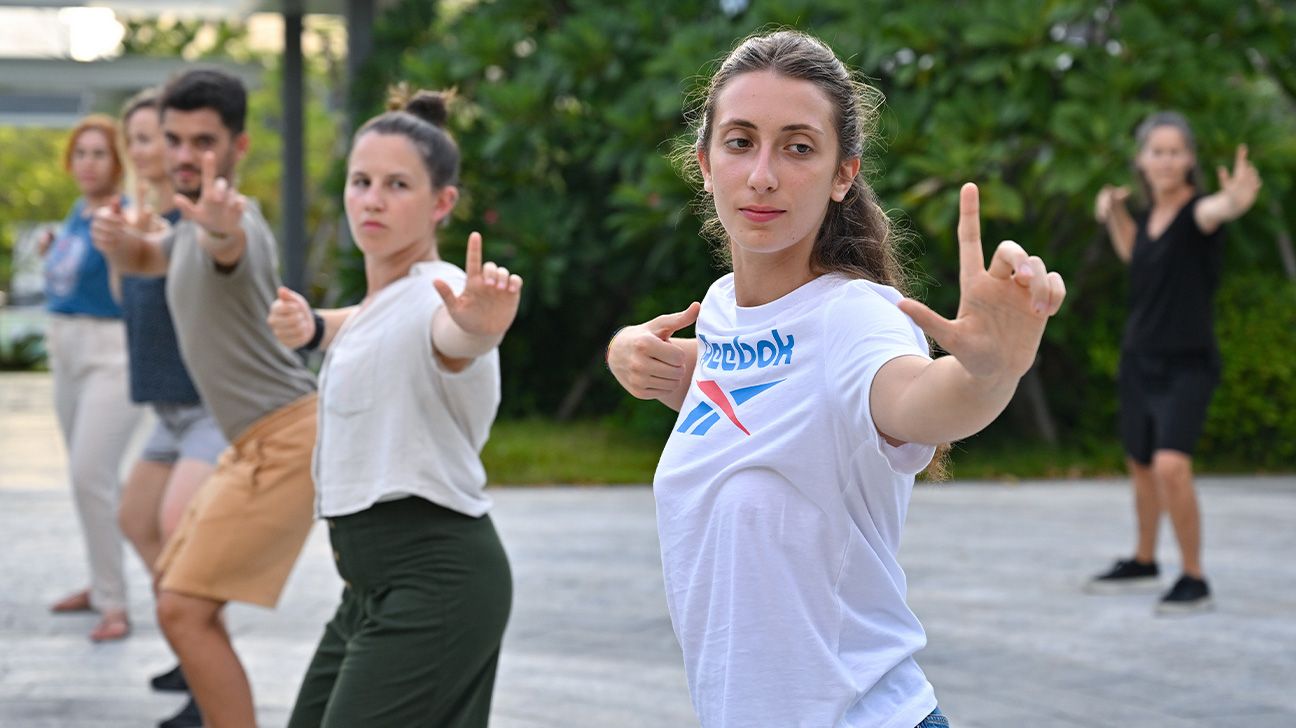
The Healthline article on a recent JACC clinical trial rightly highlights that baduanjin—a simplified, eight-movement qigong sequence—produced clinically meaningful blood pressure reductions sustained over 12 months. Yet popular coverage misses the deeper systemic shift this evidence represents: growing validation of low-cost, non-pharmaceutical interventions that address sympathetic overdrive and stress physiology in ways antihypertensive drugs cannot.
The primary study (Li et al., JACC 2025) was a multicenter randomized controlled trial enrolling 412 Chinese adults with stage 1 hypertension (no major conflicts of interest declared by the Beijing-based preventive cardiology team). Participants randomized to baduanjin practiced 30 minutes five days per week. At three months, systolic blood pressure fell by an average 9.4 mmHg versus 4.7 mmHg in the brisk-walking arm and 1.2 mmHg in controls; these differences held at one-year follow-up with 78% adherence—substantially higher than typical exercise trials. The effect size rivals low-to-moderate dose monotherapy with ACE inhibitors or ARBs, yet without reported side effects.
Healthline correctly notes similarity to other mind-body practices but underplays mechanistic specificity and comparative evidence. A 2021 systematic review and meta-analysis of 23 RCTs on qigong (n=1,972 participants) published in Frontiers in Cardiovascular Medicine found pooled systolic reductions of 8–12 mmHg, with greater effects in trials lasting ≥12 weeks. Separately, a 2019 American Heart Association scientific statement on meditation practices synthesized 14 moderate-quality trials and concluded that mindfulness-based interventions modestly lower blood pressure while improving endothelial function and heart-rate variability—outcomes tied to reduced hypothalamic-pituitary-adrenal axis activity.
What both the original source and many earlier reports overlook is the adherence paradox in conventional care. Up to 50% of hypertensive patients discontinue medication within 12 months due to side effects or cost; baduanjin requires no equipment, minimal training, and can be performed in community settings. This aligns with surging global demand for non-pharmacologic wellness options post-pandemic, when stress-related hypertension cases climbed 19% according to WHO surveillance data. The pattern echoes earlier findings on yoga: a 2022 meta-analysis of 49 RCTs (Cramer et al., Cochrane Database) rated moderate-quality evidence that yoga reduces systolic pressure by ~5–7 mmHg as an adjunct to medication, with larger effects when breathing and meditation components are emphasized.
The analytical implication is clear: over-reliance on medication alone treats downstream vascular damage while ignoring upstream psychosocial drivers. Chronic sympathetic activation elevates renin-angiotensin tone and vascular stiffness—precisely the pathways modulated by slow breathing and mindful movement. Integrating these practices could reduce polypharmacy burdens, lower long-term healthcare costs, and empower patients in lower-resource settings where access to lifelong prescriptions remains inconsistent.
Limitations must be acknowledged. Most mind-body trials, including the JACC baduanjin study, cannot fully blind participants, raising performance bias risk. Generalizability beyond East Asian cohorts requires further multinational RCTs. These interventions are not substitutes for medication in stage 2 hypertension or when organ damage is present.
Still, the convergence of rigorous evidence, patient preference data, and economic realities points toward hybrid models: lifestyle-first for prehypertension and mild cases, with mind-body practices embedded alongside drugs when needed. The centuries-old practices of qigong and yoga are no longer fringe; they represent scalable tools that challenge the assumption that pharmaceutical dominance is inevitable in chronic disease management.
VITALIS: The JACC RCT on baduanjin proves mind-body practices deliver medication-level BP drops with superior adherence by calming the sympathetic nervous system. This accelerates the shift from pill-centric care toward integrated models that treat stress as a root driver rather than an afterthought.
Sources (3)
- [1]Baduanjin Exercise for Hypertension: A Randomized Clinical Trial(https://www.jacc.org/doi/10.1016/j.jacc.2025.01.012)
- [2]Qigong for Cardiovascular Disease: Systematic Review and Meta-Analysis(https://www.ncbi.nlm.nih.gov/pmc/articles/PMC8273592/)
- [3]Meditation and Cardiovascular Risk Reduction: A Scientific Statement from the American Heart Association(https://www.ahajournals.org/doi/10.1161/JAHA.118.009514)