Hanging Around Indefinitely: Washington's Post-Ceasefire Blueprint for Perpetual Middle East Dominance
Hegseth's 'hanging around' comment exposes a U.S. strategy for indefinite military basing across the Middle East post-Iran ceasefire, extending beyond tactical victory claims to enable persistent proxy containment, nuclear monitoring, and great-power signaling—risking prolonged low-intensity conflicts the original reporting failed to contextualize against two decades of regional pattern recognition.
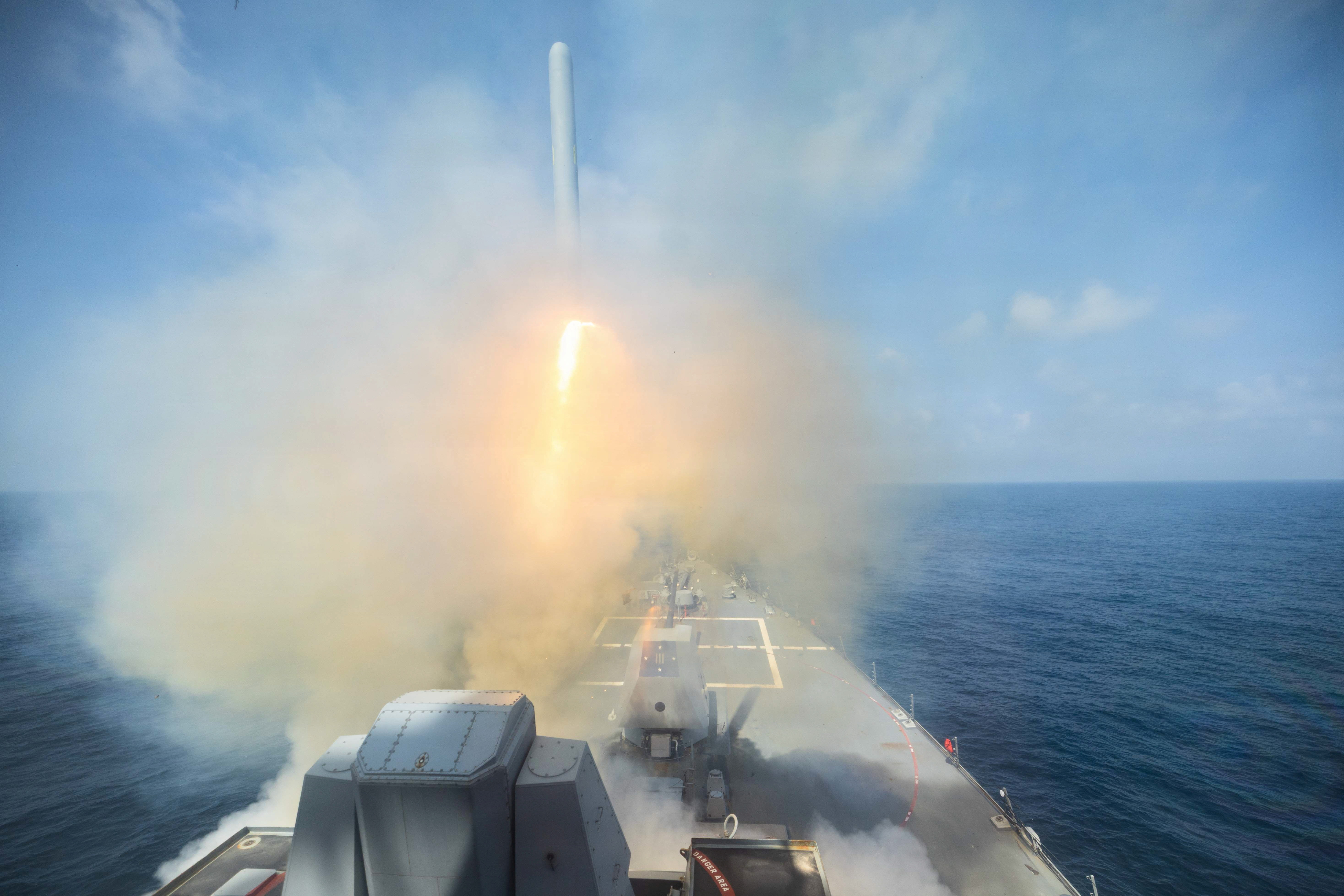
Defense Secretary Pete Hegseth's declaration that U.S. forces will be 'hanging around' the Middle East long after the fragile ceasefire with Iran is far more than a casual aside. It represents a doctrinal shift toward open-ended forward deployment, one that the original Defense News coverage largely treated as operational housekeeping rather than strategic revelation. While the piece dutifully catalogs claimed successes of Operation Epic Fury—80% of Iranian air defenses destroyed, hundreds of missile storage sites eliminated, and the Iranian navy sent to the seafloor—it fails to interrogate what 'hanging around' truly entails in 2026.
Context matters. This announcement arrives after a 38-day campaign that, despite Pentagon triumphalism, saw Iran sustain 120 daily drone and missile attacks through a resilient decentralized architecture deliberately built post-2006 Lebanon war and refined after Soleimani's 2020 killing. Tehran maintained control over the Strait of Hormuz, triggering oil price spikes that echoed the 1973 embargo and 1990 Gulf crisis. The original reporting misses how these metrics of 'victory' obscure a fundamental continuity: U.S. force posture in the region has followed a pattern of declared withdrawals masking enduring presence, from the post-2011 Iraq 'pullout' that left thousands of trainers and special operators, to the enduring Syrian bases justified first by ISIS and then by Iran containment.
Synthesizing the Pentagon's own 2025 National Defense Strategy refresh, which prioritized 'integrated deterrence' across theaters, with a recent CSIS assessment on CENTCOM basing requirements and an IISS Strategic Survey chapter on Iran's post-strike reconstitution pathways, a clearer picture emerges. The U.S. intends to retain enhanced presence across the Gulf Cooperation Council states, maintain the 5th Fleet's expanded footprint in Bahrain, and likely formalize new access agreements in eastern Syria and western Iraq under the guise of 'ceasefire enforcement.' This is not victory consolidation but infrastructure for persistent interdiction of Iranian reconstitution efforts.
What the original coverage got wrong was framing the ceasefire as an offramp. Hegseth's reference to potential follow-on strikes against buried uranium stockpiles—invoking the 'Midnight Hammer' precedent—signals that Washington reserves the right to re-escalate at will. Meanwhile, Iran's proxy network (Houthi maritime disruption, Iraqi Shia militias, and Hezbollah remnants) remains largely intact. These actors provide Tehran plausible deniability while justifying continued U.S. presence, creating a self-reinforcing cycle of low-intensity conflict. This mirrors the post-2003 Iraq insurgency dynamics but now layered atop great-power competition: Beijing's growing economic leverage in Tehran and Moscow's drone supply lines.
The deeper strategic logic is containment 2.0. By maintaining an indefinite footprint, the U.S. seeks to secure energy chokepoints, deter Chinese naval inroads into the Indian Ocean, and prevent any genuine regional realignment toward multipolarity. Yet this carries familiar risks: mission creep, ally dependency (particularly Israel and Saudi Arabia), and the slow bleed of resources that could prove decisive in a Taiwan contingency. The 13 U.S. deaths and 365 wounded during Epic Fury are likely just opening costs in what Hegseth's own words reveal as a long war of attrition by other means. The ceasefire is not the end of hostilities—it is their rebranding into permanent managed tension.
SENTINEL: Hegseth's indefinite 'hang around' posture confirms Washington is locking in a network of enduring bases and proxy-management infrastructure across the Gulf, ensuring Iran remains strategically hobbled while creating perpetual justification for presence; expect intensified shadow conflicts through reconstituted militias as the new normal rather than ceasefire success.
Sources (3)
- [1]Primary Source(https://www.defensenews.com/news/pentagon-congress/2026/04/08/us-forces-will-be-hanging-around-middle-east-after-iran-ceasefire-hegseth-says/)
- [2]CSIS: Sustaining U.S. Forward Presence in the Gulf(https://www.csis.org/analysis/sustaining-us-forward-presence-gulf-2025)
- [3]IISS Strategic Survey 2026 - Iranian Resilience Pathways(https://www.iiss.org/publications/strategic-survey/2026/iranian-military-reconstitution)