Nuclear Sharing Expansion in Eastern Europe Signals Deeper NATO Fracture and Russian Retaliation Risks
U.S. nuclear sharing talks with Poland and Baltics reflect alliance erosion and hedging strategies, risking Russian escalation while fostering European nuclear independence.
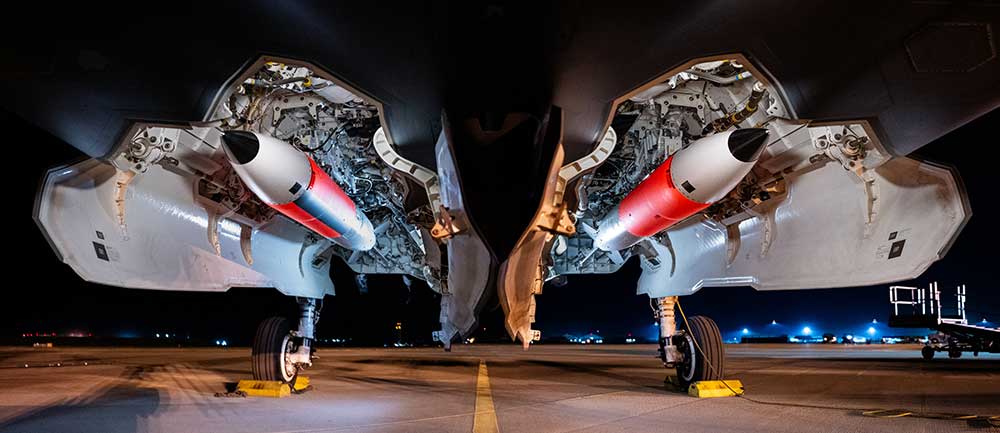
The reported U.S. discussions on forward-deploying dual-capable aircraft to Poland and the Baltic states represent more than incremental nuclear sharing adjustments; they mark a structural shift in alliance posture driven by eroding U.S. conventional commitments in Europe. While the Defense News/Financial Times account focuses on Polish and Baltic interest amid fears of abandonment, it underplays how this move accelerates the fragmentation of NATO's traditional nuclear umbrella, pushing individual members toward bilateral or minilateral deterrence arrangements. Poland's earlier overtures under Duda, now tempered but still active under the new government, intersect with its participation in France's forward deterrence initiative, suggesting Warsaw is hedging against both Russian threats and potential U.S. retrenchment. This pattern echoes post-2014 developments where Eastern flank states quietly expanded defense ties beyond Article 5 guarantees, including joint exercises and infrastructure hardening that the original coverage overlooks. Synthesizing reports from the IISS Military Balance 2025, which documents a 40% rise in Eastern European defense spending since 2022 alongside new basing agreements, and SIPRI's 2024 nuclear forces data showing sustained U.S. B61 stockpiles in Europe, reveals that expanded DCA hosting would likely trigger Russian countermeasures such as increased Iskander deployments in Kaliningrad and Belarus. The original reporting misses the intelligence dimension: such moves heighten risks of preemptive Russian signaling or hybrid disruptions targeting new sites, while simultaneously straining non-proliferation norms within the alliance. Long-term ripple effects include accelerated European nuclear autonomy debates, with France and potentially the UK filling gaps left by U.S. ambiguity, fundamentally altering power dynamics on the continent.
SENTINEL: Expanded DCA deployments will likely prompt calibrated Russian force posture adjustments in the Baltics within 18 months, testing NATO cohesion without immediate kinetic escalation.
Sources (3)
- [1]Primary Source(https://www.defensenews.com/global/europe/2026/06/02/us-may-consider-placing-nukes-in-poland-baltic-states-report-says/)
- [2]Related Source(https://www.iiss.org/online-analysis/military-balance/2025/05/eastern-europe-defence-spending-surge)
- [3]Related Source(https://www.sipri.org/yearbook/2024/10-nuclear-forces)