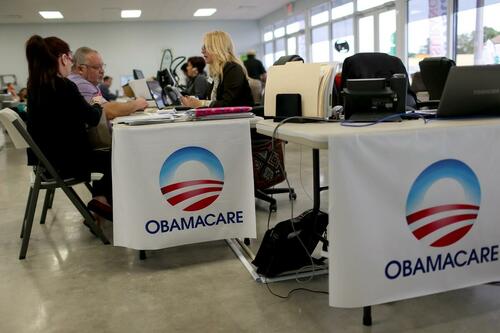
ACA Marketplace Enrollment Drops Nearly 3 Million Amid Subsidy Expiration and Integrity Reforms
ACA enrollment declined ~3M to 19.2M in early 2026 per official data, with debate centering on Trump-era anti-fraud measures vs. premium hikes from expired enhanced subsidies; corroborated across HHS, KFF, AP/PBS reports.
Federal data released June 26, 2026, shows Affordable Care Act (ACA) Marketplace enrollment fell to 19.2 million as of February, down from 22.1 million the prior year—a roughly 13% decline representing about 3 million fewer enrollees. The U.S. Department of Health and Human Services (HHS) attributes much of the drop to program integrity measures under the Trump administration, including verification enhancements that prevented approximately 2.9 million ineligible individuals from receiving subsidies and reduced estimated improper or fraudulent enrollments from a peak of 5.6 million to 2.6 million. Officials, including CMS Administrator Dr. Mehmet Oz, highlighted that many plans saw no utilization, suggesting phantom enrollments.
Critics and analysts, including those at KFF, point instead to the January 1, 2026, expiration of enhanced premium tax credits enacted during the pandemic. This led to sharp premium increases—the average monthly premium rose to $178 from $113, with benchmark silver plans up about 25%—prompting widespread nonpayment and disenrollment. KFF Senior Vice President Cynthia Cox noted the timing of coverage losses coincided with these cost spikes. Surveys indicate around 9% of 2025 enrollees became uninsured by March.
The decline also ties into the One Big Beautiful Bill Act of 2025, which included broader healthcare reforms and eligibility tightening. Pre-enhanced subsidy trends had shown four years of enrollment declines before pandemic-era expansions. Experts like Paragon Health Institute's Brian Blase argue the changes largely restored pre-2021 rules that curbed fraud incentives, while progressive outlets such as the Center for American Progress frame it as a coverage crisis affecting millions.
This shift highlights tensions between fraud reduction and affordability, with enrollment still above most pre-2024 levels but signaling potential reversal in coverage gains.
KFF: Persistent premium pressures and verification tightening could stabilize enrollment at lower levels long-term, shifting focus to targeted outreach for eligible populations rather than broad expansions.
Sources (5)
- [1]About 3 million people have dropped Obamacare health coverage after subsidies expire and costs rise(https://www.pbs.org/newshour/nation/about-3-million-people-have-dropped-obamacare-health-coverage-after-subsidies-expire-and-costs-rise)
- [2]ACA Exchange Enrollment in 2026(https://aspe.hhs.gov/sites/default/files/documents/f5f29954221d5b5713070ac2541fda8e/aca-enrollment-report-2026-final-version.pdf)
- [3]ACA Marketplace Enrollment Is Down By 3 Million After Big Jump in Premium Payments(https://www.kff.org/quick-insights/aca-marketplace-enrollment-is-down-by-3-million-after-big-jump-in-premium-payments/)
- [4]5 million have dropped ACA insurance after Trump and the GOP let prices rise(https://www.npr.org/2026/06/26/nx-s1-5860746/aca-health-insurance-subsidies-rates-premiums)
- [5]Changes to Medicaid, the ACA and other key provisions of the One Big Beautiful Bill Act(https://www.ama-assn.org/health-care-advocacy/federal-advocacy/changes-medicaid-aca-and-other-key-provisions-one-big)