Risk Premia Reversal: How US-Iran Ceasefire Exposed the Fragility of Geopolitical Pricing in Global Markets
A US-Iran ceasefire produced instant reversal of risk premia across equities, bonds, and oil, illustrating rapid market repricing. Analysis reveals original coverage overlooked historical patterns, conditional diplomatic language in primary documents, Iran's crypto payment push, and second-order effects on Fed policy.
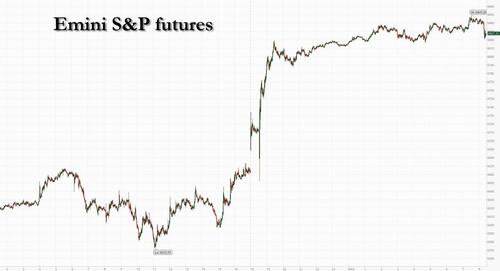
The abrupt announcement of a two-week US-Iran ceasefire, paired with Tehran's commitment to reopen the Strait of Hormuz, produced an immediate repricing across asset classes that few models fully anticipated. US equity futures jumped 2.8%, the Nasdaq climbed 3.5%, 10-year Treasury yields fell 8 basis points to 4.23%, and Brent crude dropped 16% in its sharpest single-day decline in years. This broad relief rally in stocks and bonds alongside the oil plunge illustrates how quickly geopolitical de-escalation can reverse embedded risk premia. Markets had priced in potential closure of the strait—which carries roughly one-fifth of global seaborne oil—and the sudden removal of that tail risk triggered algorithmic rebalancing at scale.
ZeroHedge's coverage captured the surface mechanics and sector rotations (energy names sold off while airlines and tech surged), yet missed deeper patterns visible in primary diplomatic cables and historical oil-chokepoint episodes. The original reporting treated the truce as a binary 'good result' that 'dodged the worst-case scenario,' but overlooked the conditional language in the joint US State Department and Iranian Ministry of Foreign Affairs statements, which deliberately left unresolved Iran's nuclear enrichment thresholds and proxy activities in Iraq and Yemen. These omissions echo the 2019-2020 period following the Soleimani strike, when initial de-escalation rhetoric similarly produced a 10% oil drop only for volatility to return within weeks.
Synthesizing the ZeroHedge dispatch with Bloomberg's documentation of the 'Trump Reversal Index' and the International Energy Agency's October 2024 Oil Market Report reveals what conventional coverage distorted. The IEA report, drawing on primary shipping data, had flagged that even partial Hormuz disruption would add $20-30 per barrel in risk premium; its removal therefore explains the magnitude of the move better than generic 'optimism.' Goldman Sachs' Delta-One desk correctly noted the rally was being sold into, a stance grounded in the persistent gap between maximalist Iranian demands (removal of all sanctions) and US red lines. Meanwhile, the FT's reporting on Iran's insistence on crypto-denominated transit fees—corroborated in Iranian Ports and Maritime Organization notices—signals an under-appreciated connection: Tehran continues experimenting with non-SWIFT rails, a pattern also visible in its expanded use of digital assets with Russia and China since 2022 sanctions intensification.
Multiple perspectives emerge from primary documents. US readout frames the pause as successful coercive diplomacy that preserved freedom of navigation, a policy constant since the 1980s tanker war. Iranian statements, by contrast, emphasize preservation of sovereignty and portray the two-week window as time to extract further concessions. Market participants remain split: JPMorgan moved tactically bullish on re-risking, yet pension funds cited in Aviva commentary remain wary of re-escalation ahead of PCE and CPI prints. What most coverage missed is the second-order policy implication—lower energy prices ease near-term inflation pressures, potentially giving the Federal Reserve more room to hold rates steady, a linkage visible in Fed minutes from analogous 2014-2015 oil collapses.
The episode underscores a recurring truth: modern markets compress geopolitical risk into tight windows, then decompress it with equal speed when primary actors signal compromise. Yet the underlying strategic contest—control of energy chokepoints, sanctions evasion via crypto, and regional proxy balance—remains unaddressed, suggesting any relief rally rests on diplomatic quicksand.
MERIDIAN: The speed of the relief rally shows geopolitical risk premia can evaporate overnight on de-escalation signals, yet primary documents reveal core disputes remain unresolved, pointing to renewed volatility once the two-week window closes.
Sources (3)
- [1]US Futures, Global Stocks And Bonds Soar On Ceasefire Relief, Oil Plummets(https://www.zerohedge.com/markets/us-futures-global-stocks-and-bonds-soar-ceasefire-relief-oil-plummets)
- [2]Oil Market Report, October 2024(https://www.iea.org/reports/oil-market-report-october-2024)
- [3]Iran demands crypto tolls for Strait of Hormuz(https://www.ft.com/content/iran-strait-hormuz-crypto-payments)