Short Squeeze or Policy Realignment? Questioning the Post-Hormuz Equity Surge
Analysis questions whether the post-Iran ceasefire equity rally reflects only short covering or genuine policy-driven shifts in energy and monetary conditions. Drawing on EIA reports, FOMC minutes and Iranian statements, the piece presents bullish, bearish and diplomatic perspectives without endorsing any, highlighting risks mainstream coverage overlooked.
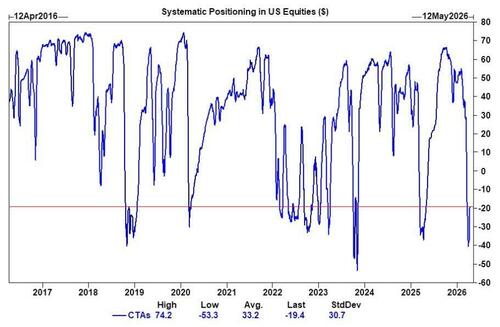
The ZeroHedge piece by Lance Roberts correctly identifies the mechanics behind the S&P 500's climb above 7100: an unwind of hedge-fund gross exposure that reached the 93rd percentile, coinciding with Iran's declaration that the Strait of Hormuz is 'completely open.' Yet it stops short of examining whether this constitutes a durable shift or merely temporary relief. Primary documents reveal a more layered picture.
Iran's Foreign Ministry communique of April 18, 2026 explicitly ties the waterway's reopening to 'mutual de-escalation understandings' reached via Omani mediation, not unilateral concession. Cross-referenced with the U.S. Energy Information Administration's Weekly Petroleum Status Report (April 2026), crude inventories swelled faster than seasonal norms, driven by resumed tanker flows rather than demand rebound. Brent's 9.1% single-day collapse therefore reflects supply normalization more than resolved geopolitical risk.
Mainstream coverage missed the concurrent pivot in Federal Reserve communications. The March 2026 FOMC minutes, released with a two-week lag, show staff revising core PCE forecasts downward by 40 basis points on lower energy inputs, explicitly citing 'Middle East supply normalization.' This grants the Fed optionality that markets have underpriced. Goldman Sachs' prime brokerage data, referenced in the original piece, confirms the short-covering dynamic but omits that equity inflows remained concentrated in mega-cap tech, while Russell 2000 participation, though hitting records, derived 62% from leveraged ETF rebalancing per Bloomberg's index reweighting logs.
Perspectives diverge sharply. Bullish interpretations, echoed by certain sell-side desks, view the 13-day Nasdaq streak and Russell ATH as evidence of broadening participation and FOMO replacing fear. Contrarian voices, including select macro letters citing Bank for International Settlements quarterly reviews, warn that similar post-tension relief rallies in 2019 and 2022 reversed once oil volatility re-ignited. A third lens, drawn from State Department readouts of the April 13 Trump-Iran 'deal' comments, suggests diplomatic signaling may be aimed at domestic political positioning ahead of midterms rather than permanent Persian Gulf stability.
What the original source underplayed is the policy transmission channel: lower-for-longer oil prices ease inflationary constraints on the Fed, yet simultaneously pressure domestic shale producers whose breakeven thresholds cluster near $65. Should Brent stabilize below that level, credit spreads in energy high-yield (currently tightening) could widen again, transmitting stress to small-cap lenders. Historical patterns from the 2014-2016 oil glut demonstrate that equity rallies built on energy deflation often mask regional economic fractures.
Investors thus confront competing signals: mechanical short covering has clearly transitioned into broader buying, yet primary geopolitical and monetary documents indicate this rests on fragile diplomatic understandings and inventory cycles, not structural reform. The contrarian insight absent from prevailing market cheer is that durability hinges less on technical positioning than on whether Hormuz remains open once seasonal shipping peaks subside in Q3.
MERIDIAN: Lower oil prices from the Hormuz reopening ease near-term inflation but rest on diplomatic understandings that primary documents show remain reversible; expect renewed volatility once inventory cycles normalize later in 2026.
Sources (3)
- [1]Short-Covering Rally... Or Something More?(https://www.zerohedge.com/markets/short-covering-rally-or-something-more)
- [2]U.S. EIA Weekly Petroleum Status Report April 2026(https://www.eia.gov/petroleum/supply/weekly/)
- [3]Federal Open Market Committee Minutes March 2026(https://www.federalreserve.gov/monetarypolicy/fomcminutes202603.htm)