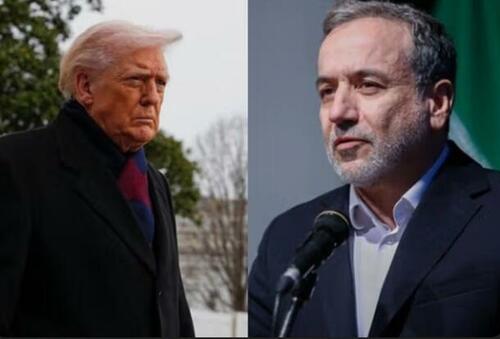
US-Iran Economic Standoff Intensifies Through Hormuz Blockade and Mutual Cost Warnings Amid Regional Pressures
Analysis of mutual economic warnings and naval enforcement reveals calibrated standoff with market ripple effects, beyond single-source narratives of imminent Iranian hardship or US immunity.
Iranian Foreign Minister Abbas Araghchi's public statements on X frame US actions as a self-inflicted economic burden, citing rising auto loan delinquencies and potential spikes in debt servicing costs. CENTCOM's official release documents the redirection of 75 vessels and disablement of four others under a naval compliance regime in the Hormuz area, reflecting a primary military document on enforcement measures. Internal Iranian accounts reported via multiple outlets describe gasoline quota disruptions and black market activity, yet these align with longstanding subsidized fuel systems rather than indicating imminent systemic collapse. US perspectives emphasize strategic denial of revenue streams to Iranian energy exports, while Iranian narratives stress domestic resilience and external overreach. Broader patterns from prior Strait tensions show temporary oil price volatility without sustained regime shifts, as primary energy market data from OPEC and IEA reports indicate rerouting adaptations by Gulf producers. Coverage often overlooks how both sides calibrate pressure to avoid full escalation, drawing from documented diplomatic exchanges in UN Security Council records on maritime security.
MERIDIAN: Prolonged Hormuz enforcement risks incremental global energy cost increases while Iranian adaptation mechanisms delay internal political shifts, based on historical maritime dispute patterns.
Sources (2)
- [1]Primary Source(https://www.zerohedge.com/markets/tehran-warns-us-faces-escalating-economic-fallout-war-choice-hardship-mounting-inside-iran)
- [2]Related Source(https://www.centcom.mil/MEDIA/PRESS-RELEASES/Press-Release-View/Article/XXXX/naval-compliance-operations-hormuz/)