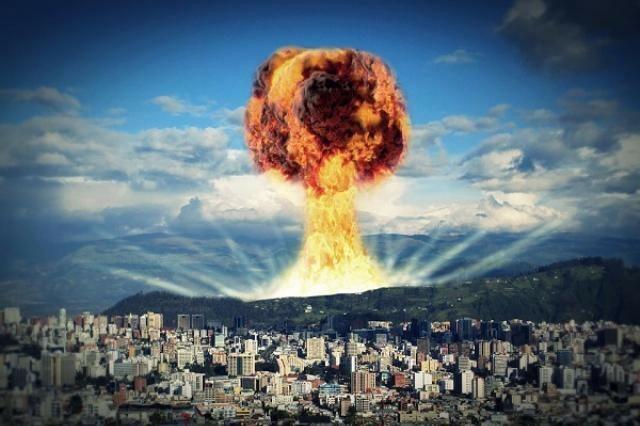
Nuclear Rhetoric and Escalation Risks in the Russia-Ukraine Conflict: Recent Warnings and Expert Assessments
Recent Russian nuclear warnings over Kaliningrad and expert analyses from RAND, Brookings, and others confirm ongoing escalation risks in the Ukraine conflict, driven by existential stakes, inadvertent pathways, and coercive signaling, though deliberate use probability is assessed as low.
The ongoing war in Ukraine continues to feature existential framing from both sides, with Ukrainian demands for full territorial restoration clashing against Russian red lines on NATO expansion and border security. Recent developments have amplified nuclear signaling, particularly around Russia's Kaliningrad exclave. In late September 2026, Russia issued a diplomatic note to NATO warning of readiness to use its full arsenal, including nuclear weapons, if the alliance attempts to isolate Kaliningrad, citing risks of direct conflict and potential strikes on decision-making centers.[1][2]
Vladimir Putin reinforced this at the Valdai Discussion Club in early October, stating that any direct attack on Russian territory, including Kaliningrad, would immediately raise the question of using all available weapons. NATO Secretary General Mark Rutte dismissed the threats as unhelpful and not credible, emphasizing the alliance's defensive nature.[2]
Think tanks have highlighted structural risks beyond rhetoric. A September 2026 RAND Europe report on inadvertent escalation details how conventional operations—such as strikes on dual-use systems in Kaliningrad—could inadvertently threaten Russian nuclear capabilities, raising miscalculation dangers.[3] Earlier RAND analyses noted plausible pathways to Russian nuclear use if battlefield losses threaten regime stability, though constrained by concerns over NATO response and international backlash.[4]
Brookings expert Steven Pifer argues Putin uses nuclear saber-rattling primarily for coercion rather than indicating imminent intent, noting evolving Russian doctrine has reduced clarity.[2] Other sources, including ICAN and reports referencing Bloomberg, describe repeated signaling tied to Ukrainian advances or Western aid decisions, with low but non-zero risks of tactical use as a last resort.[5][6]
Connections often missed include how European conventional shortfalls, conscription pressures in Ukraine and EU states, and hybrid threats could compound escalation ladders, as explored in SIPRI and RUSI discussions on multidomain risks and doctrine evolution.[7][8] While actual nuclear employment remains improbable per most assessments, the persistent zero-sum dynamics and recent warnings sustain elevated alert levels into late 2026.
[LIMINAL]: Persistent nuclear signaling and inadvertent escalation pathways documented in 2026 analyses suggest the conflict's zero-sum structure will sustain elevated global stability risks, potentially influencing European defense postures and arms control talks well into 2027.
Sources (5)
- [1]Russia sends nuclear warning to NATO as tensions rise in the Baltic(https://www.reuters.com/business/aerospace-defense/russia-issues-nuclear-warning-nato-tensions-rise-baltic-2026-09-30/)
- [2]Why Putin is again rattling the nuclear saber(https://www.brookings.edu/articles/why-putin-is-again-rattling-the-nuclear-saber/)
- [3]Conventional logics, nuclear fears: Inadvertent escalation risks between NATO and Russia(https://www.rand.org/pubs/research_reports/RRA4739-1.html)
- [4]ICAN condemns Russian nuclear threat against NATO(https://www.icanw.org/ican_condemns_russian_nuclear_threat_against_nato)
- [5]Russia’s Nuclear Signaling in 2026 and Implications for European Security(https://dgap.org/en/research/publications/russias-nuclear-signaling-2026-and-implications-european-security)