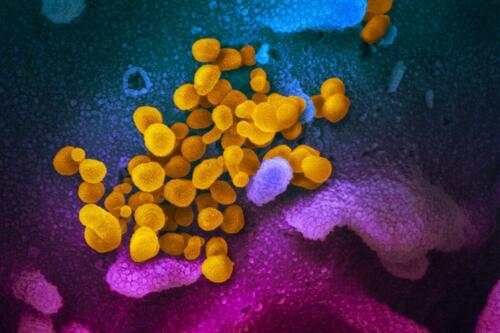
CDC Confirms Rising COVID-19 Transmission in 48 States as of Late August 2026, Though Overall Activity Remains Very Low
CDC surveillance as of late August 2026 shows COVID-19 spreading in nearly all states but at very low community levels overall, alongside rising other respiratory viruses and continued low vaccine uptake; official data emphasize monitoring without alarm.
Official CDC data released around August 28, 2026, indicate that COVID-19 infections are growing or likely growing in 48 states as of August 26, with no states showing decline and two states stable. This aligns with modeling based on emergency department visits via the National Syndromic Surveillance Program. National and regional COVID-19 activity is increasing, consistent with the agency's summer outlook projecting potential rises in southern and western regions due to lower prior-season immunity. Despite the upward trend in transmission signals, overall acute respiratory illness levels remain very low, with emergency department visits for COVID-19 at the lowest category. Wastewater surveillance shows very high levels in Texas and high in Mississippi, moderate in states including California, Florida, and Louisiana, and very low or low elsewhere. Rhinovirus/enterovirus activity is also rising nationally, while influenza is low and RSV very low in most areas. The findings coincide with FDA approval of updated 2026-2027 COVID vaccines targeting the XFG variant from Moderna, Novavax, and Pfizer-BioNTech, following CDC advisory recommendations. Vaccine uptake has remained low, with only 17.5% of adults and 10% of children receiving shots in the prior season. Historical CDC modeling notes a long-term decline in hospitalizations, though summer increases remain possible without major variant shifts. These trends mirror earlier summer 2026 reports showing progressive growth from fewer states in June-July to the current near-nationwide pattern.
[Public Health Analyst]: Low overall severity suggests minimal immediate disruption to daily life or guidelines through 2026-2027, but regional wastewater hotspots and other virus co-circulation warrant continued personal precautions like testing in high-activity areas; sustained low vaccine uptake may prolong transmission cycles.
Sources (5)
- [1]Respiratory Illnesses Data Channel(https://www.cdc.gov/respiratory-viruses/data/index.html)
- [2]Current Epidemic Trends (Based on Rt)(https://www.cdc.gov/cfa-modeling-and-forecasting/rt-estimates/index.html)
- [3]Respiratory Virus Activity Levels(https://www.cdc.gov/respiratory-viruses/data/activity-levels.html)
- [4]2026 COVID-19 Summer Outlook(https://www.cdc.gov/cfa-qualitative-assessments/php/data-research/2026covid-19outlook.html)
- [5]CDC Epidemic Trends and Rt Dataset(https://data.cdc.gov/Public-Health-Surveillance/CDC-Epidemic-Trends-and-Rt/5dqz-y4ea)