Europe's TNT Renaissance: Swedish-Polish Investments Signal Sustained Industrial Rearmament for Prolonged Conflict
Swedish and Polish TNT plant investments mark Europe's shift from post-Cold War outsourcing to industrial rearmament, addressing ammo shortages from Ukraine and reducing Asian dependencies. This fits a larger pattern of sustained base-building for potential long-term conflict with Russia, revealing gaps in original coverage around systemic vulnerabilities, supply chain convergence risks, and the 2030s strategic timeline.
While the Defense News report accurately captures Swebal's construction of Sweden's first TNT plant since the Cold War and Nitro-Chem's expansion in Poland, it frames these moves primarily as responses to immediate ammo thirst. This misses the deeper pattern: these are deliberate, multi-year investments in Europe's defense industrial base, reflecting a strategic shift toward preparing for sustained, high-intensity conflict rather than short humanitarian surges.
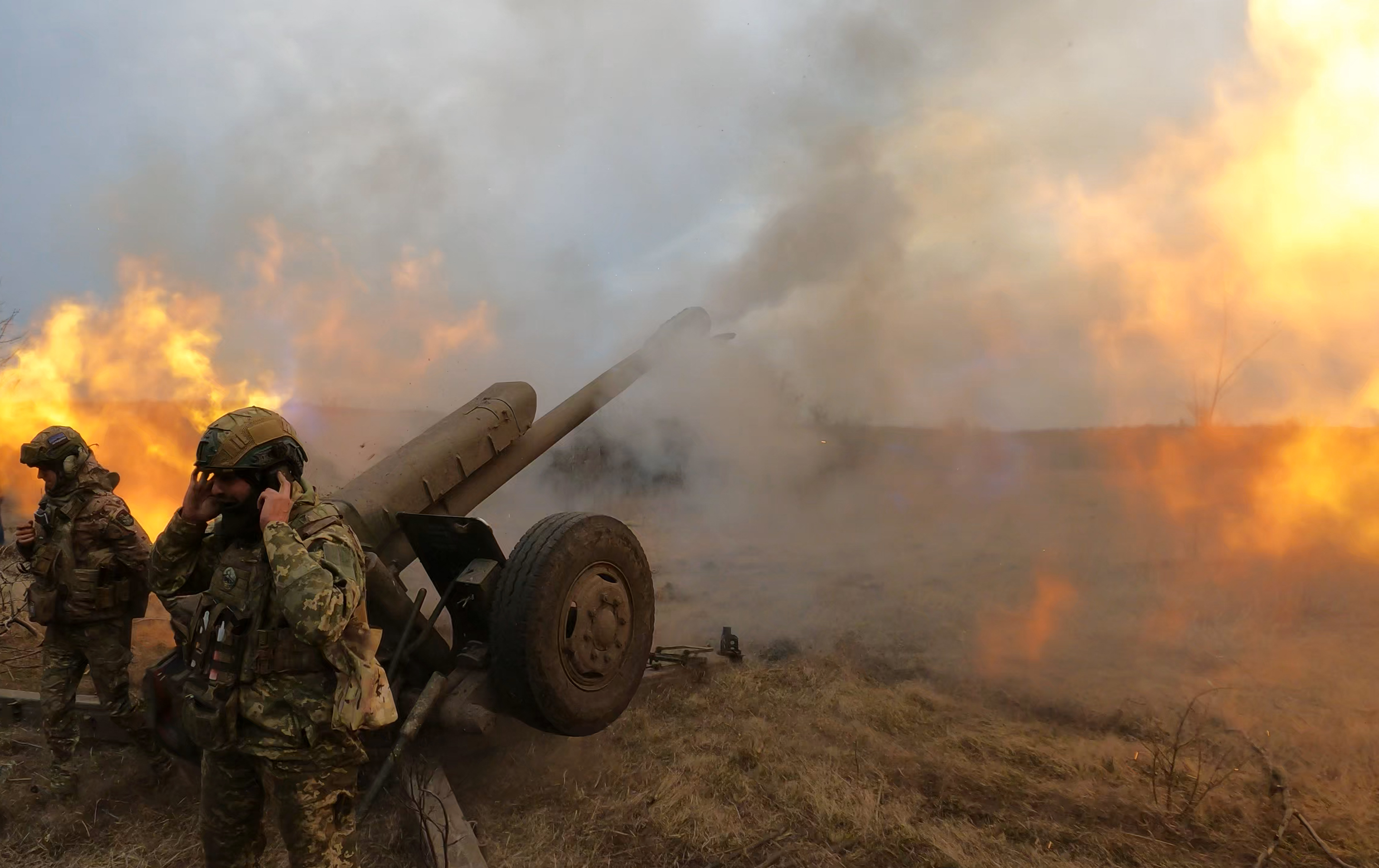
From seven major TNT facilities at the end of the Cold War to a single Polish operation today, Europe deliberately offshored energetic materials production to Asia, prioritizing cost over resilience. The Ukraine war has brutally exposed this vulnerability. Ukrainian forces have at times expended over 6,000 artillery rounds daily, with Western allies struggling to sustain even half that volume without depleting strategic stocks. Russia's estimated 50,000-ton annual TNT output enables not only mass artillery production but also Shahed drone warheads and FAB glide bombs, creating an industrial asymmetry the original coverage notes but does not fully contextualize against NATO wargame data showing potential annual European consumption exceeding 3 million shells in a direct Russia-NATO scenario.
The piece correctly highlights supply chain risks from the Strait of Hormuz amid Iran-related tensions and over-reliance on Chinese rare earths and Asian energetics. However, it underplays the geopolitical convergence: India and China, traditional suppliers, maintain strategic partnerships with Moscow. A 2025 IISS Strategic Dossier on European defense industry concluded that over 65% of EU energetic material inputs remained subject to potential disruption or political leverage. Similarly, a RAND Corporation analysis (2024, updated 2025) on 'Rebuilding Europe's Defense Industrial Base' identified TNT and nitrocellulose precursors as critical chokepoints, warning that assembly-focused metrics like the EU's ASAP 2-million-shell target obscure foundational weaknesses.
These Swedish and Polish projects—Swebal targeting 4,000+ metric tons annually by 2028, with 70% destined for 155mm shells and missiles—fit a broader pattern of friend-shoring and industrial mobilization. Poland, already Europe's frontline state with defense spending at 4% of GDP, is leveraging its Nitro-Chem subsidiary (under PGZ) not merely for exports but to secure sovereign supply lines. Sweden's post-NATO accession move, alongside parallel projects in Finland and Greece, creates geographic redundancy against potential Russian strikes on Polish facilities. This mirrors wider efforts: Rheinmetall's German propellant plants, Nammo's Nordic expansions, and the EU's European Defence Industry Strategy (EDIS). What most coverage misses is the temporal dimension—these facilities are calibrated for 2030s readiness, assuming a protracted Russia-Ukraine stalemate or direct confrontation.
The original source also glosses over implementation hurdles. Western environmental and safety regulations make TNT production costlier than in Asia, necessitating sustained subsidies beyond ASAP funding. Furthermore, TNT is only one node; full supply chain resilience requires parallel investment in precursor chemicals, precision fuses, and rare earth refining—all still heavily China-dependent.
Ultimately, these TNT plants represent more than production capacity. They embody Europe's recognition that modern deterrence rests on industrial depth as much as deployed forces. By reducing Asian dependency and rebuilding Cold War-era capabilities, Warsaw and Stockholm are contributing to a quiet but profound transformation: turning the European defense sector from a just-in-time assembly line into a just-in-case strategic asset capable of outlasting authoritarian adversaries in a war of attrition. This pattern, repeated across munitions, drones, and armored vehicles, suggests NATO is slowly correcting decades of strategic complacency—though whether the timeline aligns with emerging threats remains the decisive question.
SENTINEL: Swedish and Polish TNT plants are early indicators of a decade-long European industrial mobilization; by prioritizing domestic energetics, NATO is addressing the attrition lessons of Ukraine and building resilience for potential major conflict with Russia that could extend into the 2030s.
Sources (3)
- [1]Swedish, Polish firms invest in TNT plants to quench Europe’s ammo thirst(https://www.defensenews.com/global/europe/2026/04/14/swedish-polish-firms-invest-in-tnt-plants-to-quench-europes-ammo-thirst/)
- [2]IISS Strategic Dossier: European Defence Industry and the Ukraine Test(https://www.iiss.org/publications/strategic-dossiers/european-defence-industry-2025)
- [3]RAND Corporation: Rebuilding Europe's Defense Industrial Base(https://www.rand.org/pubs/research_reports/RRA1875-1.html)