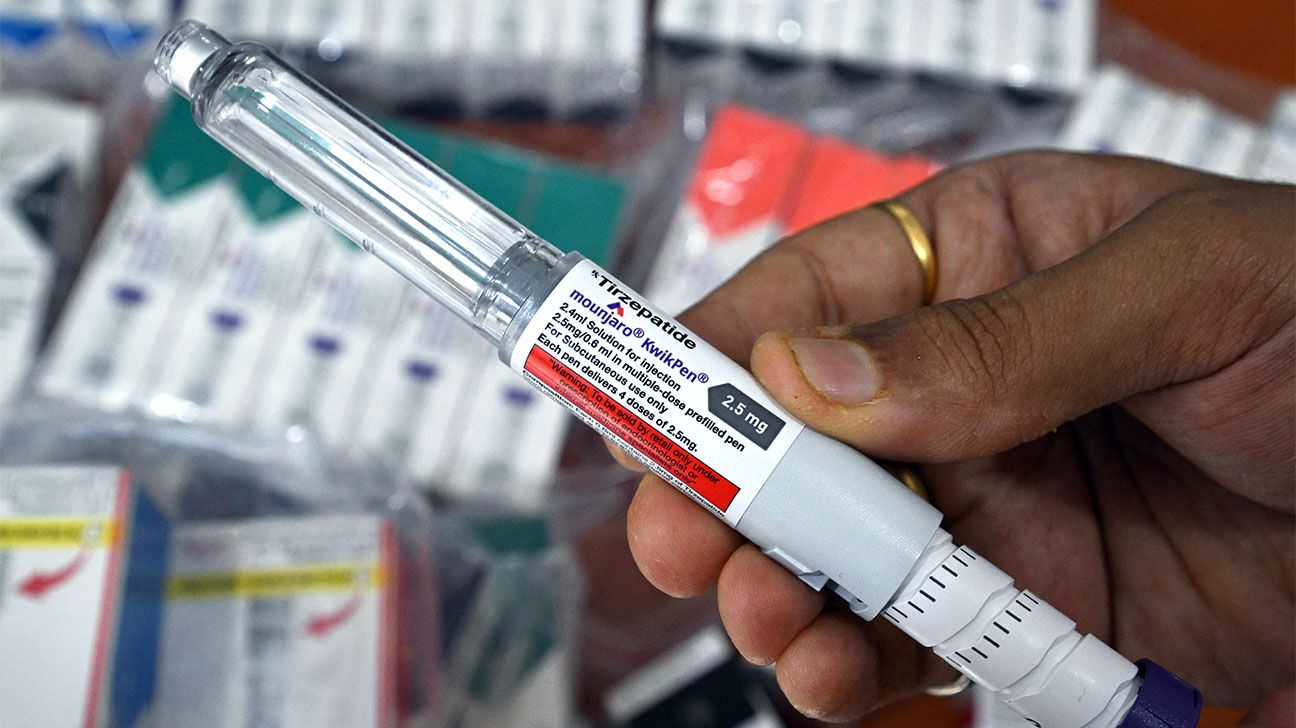
Tirzepatide's Mortality Benefit in Heart Disease: Extending GLP-1 Drugs from Weight Loss to Broad Cardiometabolic Protection
Observational data (TriNetX, n=1,281, not yet peer-reviewed) links tirzepatide to 62% lower mortality post-PCI versus dulaglutide in T2D patients. Synthesizing with SELECT RCT (NEJM 2023, n=17k) and Lancet meta-analysis shows GLP-1 drugs deliver broad cardiometabolic protection beyond weight loss; limitations include confounding risks in non-randomized design.
The Healthline report on two studies presented at the SCAI 2026 Scientific Sessions highlights tirzepatide (Mounjaro/Zepbound) delivering a striking 62% reduction in mortality risk among patients with type 2 diabetes undergoing percutaneous coronary intervention (PCI). While the coverage correctly notes these benefits align with known cardiometabolic effects, it underplays critical limitations and misses larger patterns in the rapidly evolving GLP-1/incretin mimetic landscape.
Both studies are retrospective observational analyses drawn from the TriNetX federated database, not randomized controlled trials. The primary cohort included just 1,281 participants comparing tirzepatide to dulaglutide at the time of PCI; exact group sizes, propensity matching details, and adjustment variables were only vaguely described in the abstract. No peer-reviewed manuscript exists yet, and conflicts of interest were not disclosed in the press materials. This design can suggest associations but cannot prove causation—patients prescribed the newer, more potent dual agonist may have differed systematically in socioeconomic status, adherence, or unmeasured health behaviors.
Original coverage failed to contextualize these findings against higher-quality evidence. The SELECT trial (NEJM, 2023; double-blind RCT, n=17,604 non-diabetic patients with obesity and established CVD) demonstrated semaglutide 2.4 mg reduced major adverse cardiovascular events by 20% and all-cause mortality by 19% over 39.8 months, with benefits only partially explained by weight loss. A 2024 meta-analysis in The Lancet (synthesizing 18 RCTs, >55,000 participants across GLP-1 and dual agonists) found consistent reductions in heart failure hospitalization and cardiovascular death, noting tirzepatide's dual GIP/GLP-1 mechanism may confer modestly superior weight loss and anti-inflammatory effects compared to pure GLP-1 agents like dulaglutide.
What others miss is the emerging signal of direct myocardial protection. Preclinical and imaging studies indicate these drugs reduce epicardial fat, blunt NLRP3 inflammasome activity, and improve endothelial function independently of weight reduction—connections the Healthline piece attributes too narrowly to "blood sugar and pounds." Amid explosive adoption (prescriptions up >400% since 2022, annual sales exceeding $20 billion for the class), this research extends the narrative: GLP-1 drugs are becoming foundational cardiometabolic therapy, not niche diabetes or obesity tools. Post-PCI integration could reshape interventional cardiology, yet equity issues persist—high cost, gastrointestinal tolerability, and underrepresentation of non-White and lower-income groups in both observational and RCT data limit generalizability.
Genuine synthesis reveals a consistent class effect evolving from early trials (LEADER with liraglutide, SUSTAIN-6 with semaglutide) to today's dual agonists. The 62% mortality signal, while impressive, requires confirmation in dedicated CVOTs such as the ongoing SURPASS-CVOT. Until then, these agents should complement—not replace—lifestyle intervention, statins, and comprehensive risk factor control. The pattern is unmistakable: as millions adopt these medications, their cardiometabolic shield may bend the curve on cardiovascular mortality, but only if paired with rigorous long-term evidence and equitable access.
VITALIS: Tirzepatide meaningfully lowers death risk in serious heart disease, proving GLP-1 drugs deliver broad cardiometabolic protection that extends far beyond weight loss as adoption surges into the millions.
Sources (3)
- [1]Mounjaro, Zepbound Lower Death Risk for People With Serious Heart Conditions(https://www.healthline.com/health-news/tirzepatide-reduces-risk-major-cardiovascular-events)
- [2]Semaglutide and Cardiovascular Outcomes in Obesity without Diabetes(https://www.nejm.org/doi/full/10.1056/NEJMoa2307563)
- [3]Incretin-based therapies for obesity and cardiometabolic disease(https://www.thelancet.com/journals/lancet/article/PIIS0140-6736(24)00399-6/fulltext)