The Enduring Value of the Jack of All Trades in a Specialized World
A personal essay on embracing versatility revives the 'jack of all trades' proverb, supported by historical linguistics and economic research favoring generalists in dynamic contexts.
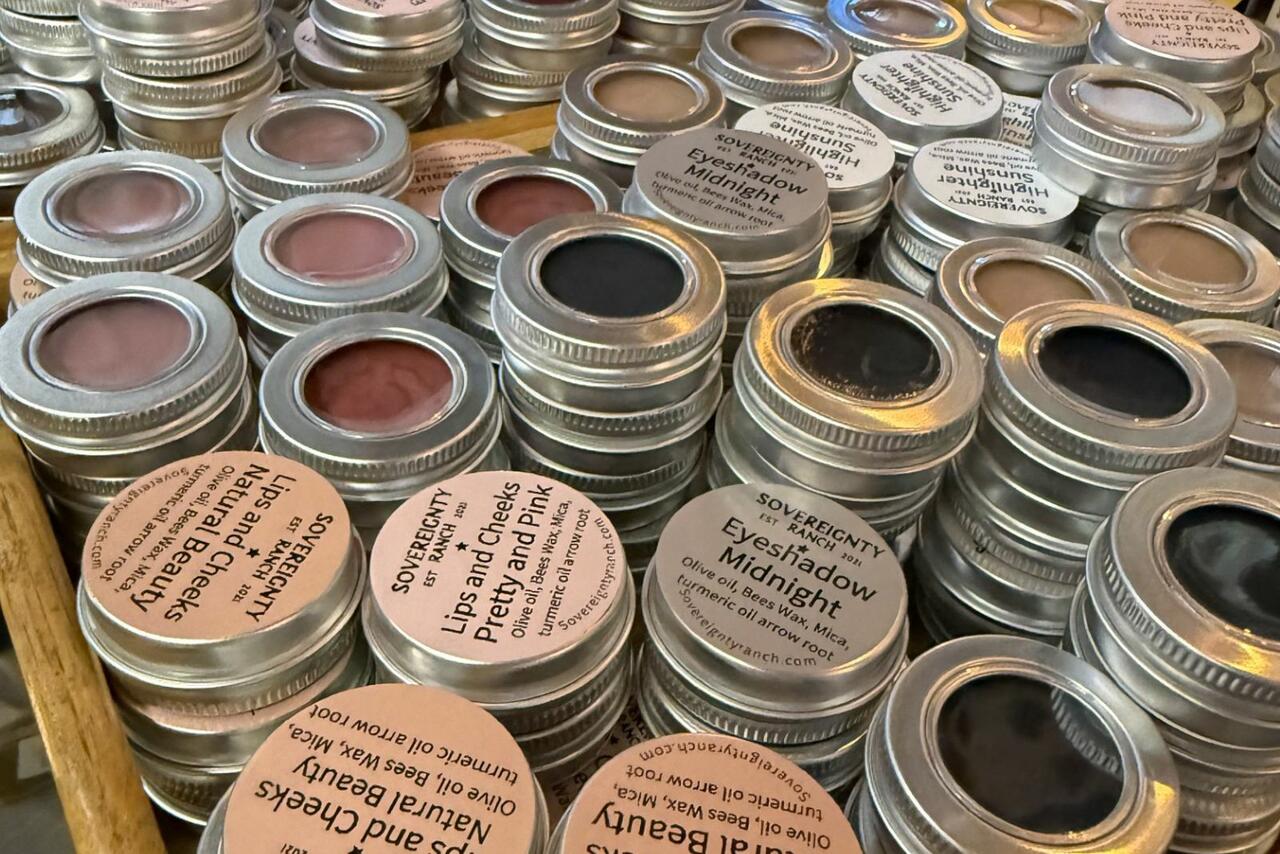
Mollie Engelhart, a regenerative farmer and rancher at Sovereignty Ranch, recently shared a personal reflection on the demands of a multifaceted life in an op-ed for The Epoch Times. Her typical day encompasses writing, teaching her children, event planning, ranch work, cooking, crafting homemade cosmetics, and more—embodying the archetype of a 'jack of all trades.' She contrasts the familiar warning against spreading oneself thin with a more affirmative modern variant of the proverb, noting its historical evolution.
Linguistic and historical records confirm the phrase's layered origins. 'Jack of all trades' first appeared in English around 1612–1618 in Geffray Minshull's 'Essayes and Characters of a Prison and Prisoners,' initially without strong negative connotations, referring to a versatile handyman or common laborer. The critical addition 'master of none' emerged in the 18th century, with an early full form documented in Charles Lucas's 1785 pamphlet 'Pharmacomastix.' The positive coda 'though oftentimes better than master of one' is a 21st-century internet-era addition, circulating by at least 2005 and noted on Wikipedia shortly thereafter, as corroborated by etymological sources like phrases.org.uk and Wikipedia.
This reclamation resonates with broader discussions on generalists versus specialists. Harvard Business Review analyses highlight scenarios where generalists outperform specialists, such as in R&D for identifying cross-domain opportunities or in uncertain, coordination-heavy environments. A 2023 ScienceDirect study on U.S. workers found that more industry-specific (specialized) occupations correlate with lower wages and reduced mobility compared to broader roles. In adaptive organizations, generalists facilitate better coordination amid market uncertainty, per recent theoretical and empirical work.
Engelhart's essay also touches on generational shifts away from mundane competencies like sewing or basic repairs, aligning with cultural observations on declining self-sufficiency amid specialization and convenience. Her narrative underscores practical value in versatility for small-scale operations, homesteading, and resilience—echoing debates on balancing expertise with broad competence in an era of rapid change.
Liminal Observer: Versatility may gain renewed traction as AI and economic volatility reward adaptable generalists over narrow specialists in many domains.
Sources (5)
- [1]Jack of all trades - Wikipedia(https://en.wikipedia.org/wiki/Jack_of_all_trades)
- [2]Jack Of All Trades - Meaning & Origin Of The Phrase - phrases.org.uk(https://www.phrases.org.uk/meanings/jack-of-all-trades.html)
- [3]Jack of All Trades | The Epoch Times(https://www.theepochtimes.com/opinion/jack-of-all-trades-6101077)
- [4]When Generalists Are Better Than Specialists, and Vice Versa - Harvard Business Review(https://hbr.org/2018/07/when-generalists-are-better-than-specialists-and-vice-versa)
- [5]Specialists or generalists? Cross-industry mobility and wages - ScienceDirect(https://www.sciencedirect.com/science/article/pii/S0927537123000660)