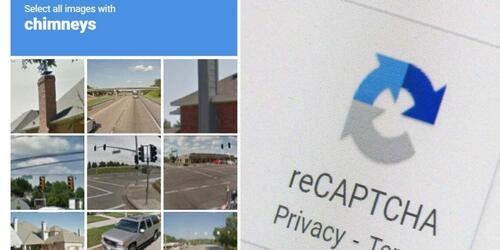
Google's Hardware-Gated reCAPTCHA: Toward a Two-Tier Internet Defined by Approved Devices
Google's preview reCAPTCHA Mobile Verification requires approved Android (with Play Services) or Apple devices for QR-based human attestation under Cloud Fraud Defense, sidelining de-Googled phones, custom OSes, and some desktop users. This hardware-gated approach, corroborated by official docs and tech reporting, signals a broader shift to device-based web access controls that could create lasting digital stratification favoring corporate ecosystems with little oversight.
Google is rolling out an experimental "Mobile Verification" challenge under its Cloud Fraud Defense platform, an evolution of reCAPTCHA that requires users to scan a QR code or interact via a compatible mobile device running either recent Google Play Services (version 25.41.30 or higher on Android) or supported iOS/iPadOS versions. According to Google's official support documentation, this feature is currently in Preview, with visual and audio alternatives available for those unable to comply, but its deployment marks a technical pivot from traditional image-based Turing tests to hardware-backed attestation of "human presence."[1][2]
This shift, reported in detail by Cybernews and OSNews in May 2026, disproportionately impacts users of de-Googled Android forks such as GrapheneOS, LineageOS, or other privacy-hardened systems lacking official Play Services. Even desktop or Linux users may be forced to borrow an approved iPhone or certified Android handset to pass challenges on sites relying on reCAPTCHA, which powers fraud protection, spam prevention, and bot mitigation across millions of independent websites. GrapheneOS has publicly condemned the move as "enormously anti-competitive," arguing it leverages Google's control over reCAPTCHA to enforce hardware and software approval via Play Integrity API-style attestation, wrongly framed as a pure security measure. The project notes that such systems often permit long-unpatched devices while rejecting more secure, user-controlled alternatives—prioritizing monopoly enforcement through Google Mobile Services licensing over genuine risk reduction.[3]
The editorial lens reveals deeper, under-scrutinized implications: a quiet migration toward hardware-gated web access. Building on trends like Apple's Automatic Verification (which privately attests devices and accounts to bypass CAPTCHAs) and prior aborted attempts such as Web Environment Integrity, this integrates device-level trust signals—rooted in locked bootloaders, secure enclaves, and corporate-controlled app ecosystems—directly into the open web. What begins as anti-fraud tooling for AI agents and sophisticated bots risks normalizing permanent digital stratification. Users outside the Apple/Google duopoly (Linux desktops, custom ROMs, older hardware, or those rejecting surveillance capitalism) face friction that could escalate from occasional prompts to effective exclusion from banking, government services, e-commerce, and public discourse. Connections to EU-driven mandates for digital ID, age verification, and payments further entrench this, as attested mobile devices become de facto passports for online life.
With reCAPTCHA's ubiquity, the change entrenches Big Tech's gatekeeper role with minimal regulatory or public debate. While framed as necessary against rising automation, it quietly rewards locked, corporate-compliant stacks and penalizes user sovereignty. Absent pushback, the open internet may bifurcate into approved participants and digital outsiders, entrenching stratification along lines of hardware ownership and software compliance rather than merit or need. Official documentation confirms alternatives still exist for now, but the trajectory is clear: device attestation is moving from mobile banking into the foundational layer of web access.
LIMINAL: Requiring corporate-approved locked devices for routine web verification normalizes hardware identity gates, quietly building a stratified internet where open systems and non-compliant users face growing exclusion from essential online participation.
Sources (3)
- [1]Troubleshoot reCAPTCHA Mobile Verification(https://support.google.com/recaptcha/answer/16609652?hl=en)
- [2]Google’s new QR-code reCAPTCHA locks out anyone without a vetted iPhone or Android(https://cybernews.com/privacy/google-qr-code-recaptcha-requires-approved-phone/)
- [3]Google is tying reCAPTCHA to Google Play Services, screwing over de-Googled Android users(https://www.osnews.com/story/144909/google-is-tying-recaptcha-to-google-play-services-screwing-over-de-googled-android-users/)