Senate Republicans Seek Delay of Leadership Vote After 2026 Midterm Losses
Senate GOP bloc forces debate on post-midterm strategy before leadership vote. Divisions highlight procedural leverage over substantive change. Outcomes likely preserve Thune's position while exposing coordination limits.
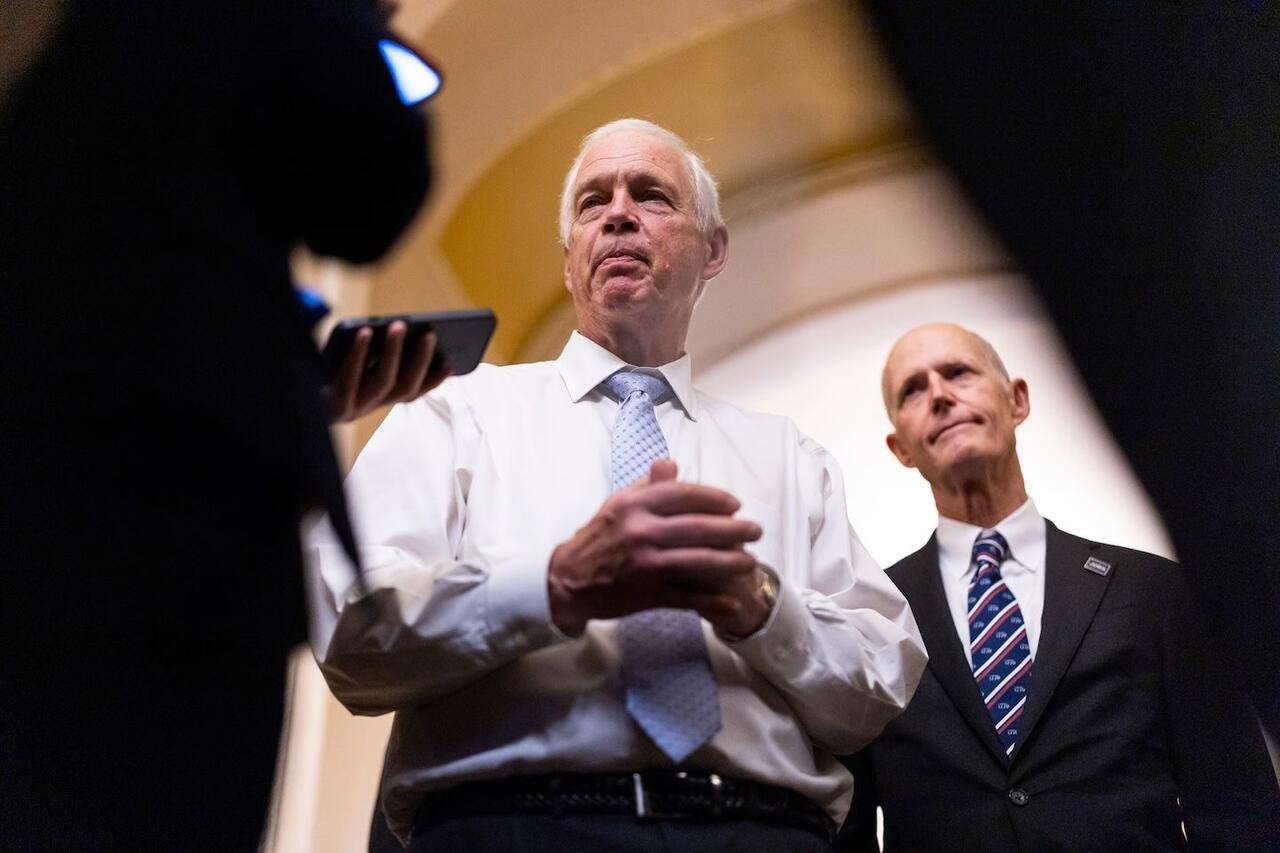
The effort centers on a letter to Conference Chair Tom Cotton demanding debate on strategy before selecting leaders for the minority. Signatories include Rick Scott, John Kennedy, Ted Budd and Mike Lee, citing the need to review the midterm results and define a model for countering Democrats. Under conference rules, five signatures trigger consideration of delay, though no challenger has emerged against John Thune.
Internal divisions reflect competing incentives: Johnson and Scott prioritize post-election review to adjust messaging for 2028, while Thune retains support through consensus-building rather than top-down control. McCormick and Banks echoed calls for discussion without signing, signaling wider unease over seat losses in Mississippi and Alaska races. This pattern mirrors prior post-defeat reviews where procedural pauses rarely altered outcomes.
The move tests whether procedural rules can force substantive recalibration before institutional inertia sets in. Primary records show similar 2010 and 2014 post-election pauses produced limited leadership change, as incentives favor continuity in minority operations.
Next steps hinge on the conference vote on the delay motion; if passed, a meeting precedes elections, but Thune's lack of declared opposition suggests continuity remains probable absent coordinated revolt.
Sources (3)
- [1]Senate Republican Conference Rules(https://www.rules.senate.gov/rules-of-the-senate-republican-conference)
- [2]Johnson Letter via Fox News Digital(https://www.foxnews.com/politics/senate-republicans-letter-delay-leadership)
- [3]Thune Statements on Conference Process(https://www.thune.senate.gov/public/index.cfm/press-releases)