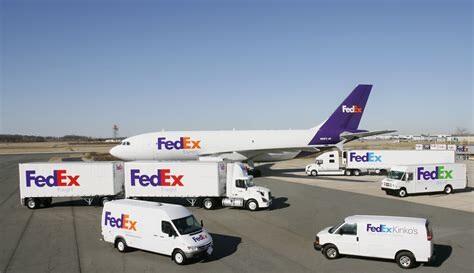
Geopolitical Crises Converge: How the Iran Conflict, Ukraine War, and Sanctions Are Driving Up Fuel Costs for Global Express Carriers
The 2026 Iran conflict and Hormuz disruptions, combined with Ukraine-related sanctions, have elevated fuel prices and constrained air routes, forcing FedEx and UPS to rely on surcharges amid margin pressures, as corroborated by official data and reporting.
In 2026, the convergence of the US-Iran conflict—marked by repeated closures or restrictions of the Strait of Hormuz—alongside the ongoing effects of the Ukraine war and associated sanctions, has created significant cost pressures for express delivery giants like FedEx and UPS. Oil price volatility, with Brent crude fluctuating sharply and peaking near $118 before easing to around $99, has driven jet fuel and diesel prices to elevated levels, directly impacting aviation and ground operations.[1]
The Strait of Hormuz disruptions, described by the International Energy Agency as a major supply shock, have kept refined product prices high, with US Gulf Coast jet fuel averaging over $4 per gallon and national diesel hitting records above $5.85.[1] FedEx's official fuel surcharge tables reflect this, with Ground surcharges in the 25-29% range and international jet fuel surcharges exceeding 40% in recent weeks.[2]
Russian airspace restrictions since 2022 have already lengthened Europe-Asia routes for Western carriers, while additional Gulf airspace limitations tied to the Iran conflict have forced further rerouting, increasing fuel burn and reducing capacity. Freight rates from affected regions have risen substantially as a result.
FedEx and UPS have mitigated impacts through dynamic fuel surcharges passed to customers, supporting revenue growth—FedEx reported a 13% rise in one quarter with surcharges contributing significantly—though operating margins have faced pressure from higher absolute fuel costs.[3] Industry analyses link these macro shocks to micro-level supply chain inflation.
Broader context includes attacks on refineries and export restrictions compounding the distillate crunch, illustrating how distant conflicts ripple into everyday logistics expenses.
FedEx: Fuel surcharges will continue to buffer earnings volatility from geopolitical energy shocks, but sustained high costs could accelerate network optimizations and pricing adjustments across the express sector.
Sources (5)
- [1]Iran War Helps to Drive U.S. Diesel Prices to New High(https://www.nytimes.com/2026/09/04/business/diesel-price-record-oil-iran.html)
- [2]Weekly Fuel Surcharge Changes | FedEx(https://www.fedex.com/en-us/shipping/fuel-surcharge.html)
- [3]Why FedEx Stock Is Falling Thursday(https://www.benzinga.com/trading-ideas/movers/26/09/61980446/why-fedex-stock-is-falling-thursday)
- [4]Strait of Hormuz to remain closed until war ends, official says(https://www.iranintl.com/en/202608126239)
- [5]Three Wars, One Bill: How Hormuz, Ukraine and Sanctions Are Squeezing the Express Giants(https://sonar21.com/)