Apple Seeks Chinese Memory Chips Amid AI-Driven Price Surge, Signaling Broader Consumer Electronics Inflation
Apple is lobbying for access to blacklisted Chinese memory chips to counter AI-fueled price spikes that have already triggered consumer product price increases, with broader inflationary ripple effects across electronics.
Apple is actively lobbying the Trump administration for approval to source DRAM memory chips from ChangXin Memory Technologies (CXMT), a leading Chinese manufacturer placed on the Pentagon’s Chinese Military Company (1260H) blacklist over alleged ties to the People’s Liberation Army. The move, first reported by the Financial Times, comes as surging demand from hyperscale AI data centers has driven unprecedented spikes in memory and storage chip prices, forcing Apple and other electronics makers to pass costs to consumers.
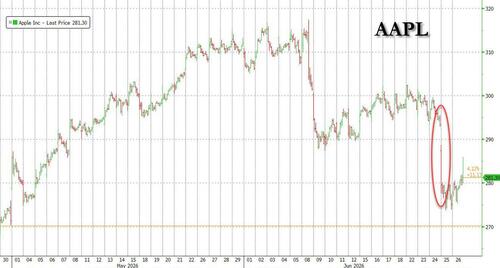
According to multiple reports, Apple has approached the Commerce Department and other officials seeking assurances that purchases from CXMT (and similarly positioned YMTC for NAND flash) would not trigger future restrictions. While the blacklist carries reputational risk rather than an outright legal prohibition on commercial transactions, Apple is under acute pressure: the company recently announced price increases of up to 50% on select MacBook and iPad configurations, citing “unsustainable” component costs. Apple CEO Tim Cook described the memory price surge as unlike anything seen “in any area in over 40 years.”
The Financial Times and Reuters confirm the lobbying effort began more than a month ago, coinciding with a post-summit environment following meetings between President Trump and Chinese leader Xi Jinping. Similar dynamics prompted Microsoft to raise Xbox prices, while WSJ reporting highlights how the data-center boom is fueling a “third wave of inflation” through memory shortages. Industry estimates suggest AI infrastructure could consume up to 70% of global memory output in 2026, reallocating capacity from consumer-grade DRAM and creating supply constraints for phones, laptops, and other devices.
This shift toward Chinese suppliers represents a pragmatic hedge for Apple, which has never before faced such supplier leverage from the memory “cartel” (Samsung, SK Hynix, Micron). It also underscores deeper tensions: geopolitical blacklisting versus immediate economic pressures from the AI buildout. Consumer wallets are already feeling the impact, with price hikes rolling out across the industry within months of the cost surge.
Liminal: Expect selective regulatory carve-outs or quiet approvals for non-sensitive memory purchases from CXMT within 3–6 months, accelerating a bifurcated global supply chain where consumer electronics increasingly tap Chinese capacity while high-end AI chips remain U.S.-aligned. This will cap but not eliminate near-term price pressure on devices.
Sources (5)
- [1]Apple seeks to buy memory chips from blacklisted Chinese company(https://www.ft.com/content/d72a25e2-7bde-4aa9-bd8d-0c4f3d6cb2cb)
- [2]Apple seeks approval to buy chips from blacklisted Chinese company, FT reports(https://www.reuters.com/world/asia-pacific/apple-seeks-approval-buy-chips-blacklisted-chinese-company-ft-reports-2026-06-27/)
- [3]The Data-Center Boom Is Sparking a Third Wave of Inflation(https://www.wsj.com/economy/the-data-center-boom-is-sparking-a-third-wave-of-inflation-926adc6e)
- [4]Apple hikes the prices of MacBooks and iPads because of memory chip shortage(https://www.cnn.com/2026/06/25/tech/apple-hikes-the-prices-of-macbooks-and-ipads-because-of-memory-chip-shortage)
- [5]Apple to raise prices as AI boom pushes up chip costs(https://www.bbc.com/news/articles/c3wyxvqdx1zo)