Judge denies dismissal of DRAM price-fixing suit against Samsung, SK Hynix and Micron, opening discovery
A federal judge allowed a proposed class action alleging Samsung, SK Hynix and Micron coordinated DRAM supply cuts to proceed, rejecting dismissal arguments based on a prior case. The decision opens discovery into whether parallel production, capacity shifts and product wind-downs were lawful oligopoly conduct or an agreement. It matters because DRAM prices affect consumer electronics, servers and AI infrastructure.
Judge Noel Wise of the Northern District of California denied a joint motion by Samsung Electronics, SK Hynix and Micron to dismiss Garciaguirre v. Samsung Electronics, a proposed class action filed June 25 by 17 plaintiffs from five states, including 14 consumers and three small PC builders. The order, dated Nov. 14, finds the complaint plausibly alleges an agreement violating Section 1 of the Sherman Act. The defendants must answer by Dec. 7, after which the case enters document discovery.
The plaintiffs are indirect purchasers who bought devices containing commodity DRAM and seek class status, an injunction and treble damages, or triple damages. Because parallel conduct is lawful, the complaint relies on plus factors: SK Hynix and Micron announced production cuts about three weeks apart in late 2022 to April 2023, Samsung followed, and all three shifted capacity to high-bandwidth memory under long-term contracts. The complaint also points to a near-simultaneous wind-down of mainstream DDR4 announced from April to June 2025.
The defendants argued the case repeats a 2018 suit dismissed in 2020 and affirmed by the Ninth Circuit in 2022, which treated synchronized output cuts as ordinary oligopoly behavior. Wise distinguished the new allegations, saying the alleged pattern was more akin to hawks flying in formation because plaintiffs describe sustained, coordinated moves while prices rose eightfold, according to the source. The ruling is procedural: it does not find conspiracy, but it forces the companies to answer and disclose records that may reveal intent.
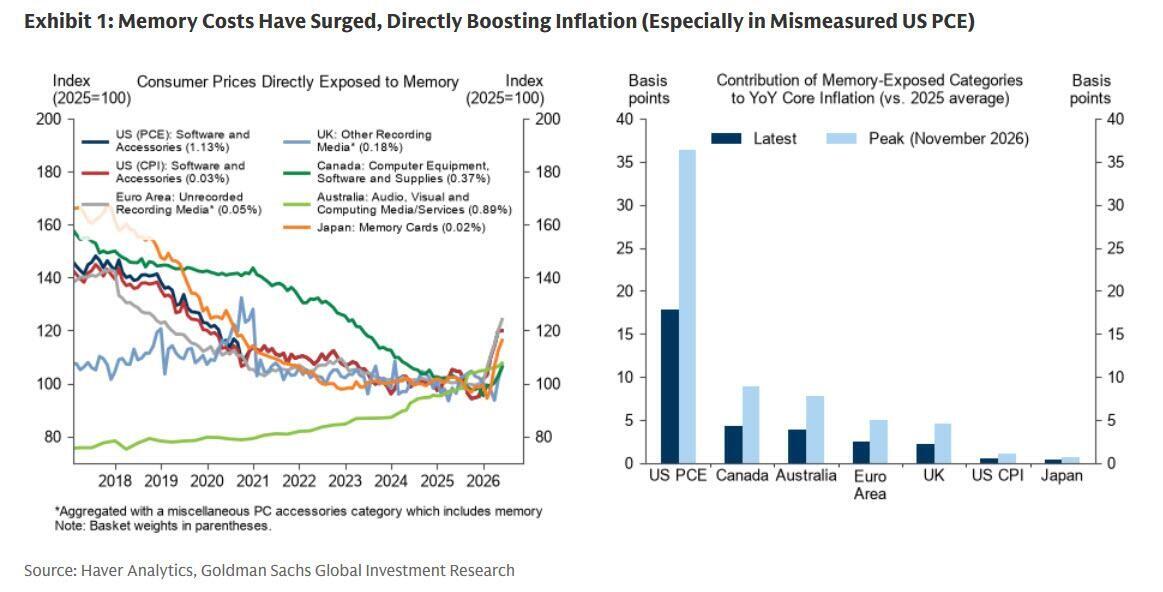
The case matters because DRAM is a bottleneck for personal computers, servers and AI infrastructure, and the source says prices have remained elevated while supply questions persist. For plaintiffs, discovery is the first real path to damages or an injunction. For Samsung, SK Hynix and Micron, the cost is litigation, internal document production and exposure to treble damages under the complaint. The case tests how far antitrust law can police an oligopoly that sets memory prices.
Consumers and businesses that buy devices containing DRAM are exposed to a legal challenge over prices set by a three-firm oligopoly. Samsung, SK Hynix and Micron now face discovery, document production and possible treble damages under the complaint.
Sources (1)
- [1]Hawks Flying In Formation: Judge Refuses To Toss DRAM Cartel Suit Against Samsung, SK Hynix And Micron, Opening Door To Discovery(https://www.zerohedge.com/markets/hawks-flying-formation-judge-refuses-toss-dram-cartel-suit-against-samsung-sk-hynix-and)