Russia-Ukraine Stalemate Persists Amid NATO Warnings, Iran Conflict Energy Shocks, and Central Bank Rate Pressures
Corroborated reports detail Ratcliffe's Moscow warnings on NATO and Iran, sustained Ukraine strikes on Russian energy, U.S. Iran blockade and prize court revival, and ECB-led central bank pushes for rate hikes amid energy-driven inflation—framing a Russia-Ukraine stalemate intertwined with Middle East tensions.
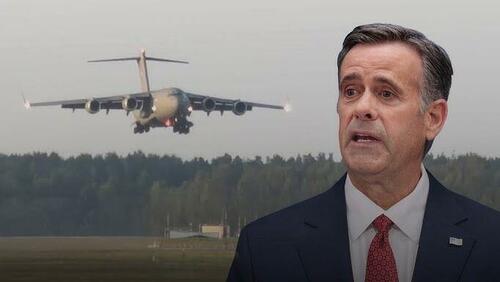
Recent reporting confirms CIA Director John Ratcliffe's unannounced visit to Moscow this week, where he warned Russian officials against attacking NATO allies, particularly the Baltic states, and urged reduced support for Iran amid the ongoing U.S.-Iran conflict. Sources indicate the brief dialogue served as a direct caution against escalation that could trigger Article 5, while pressing Moscow to limit military and economic aid to Tehran.[1][2]
The Russia-Ukraine conflict remains in a prolonged stalemate, with Ukrainian long-range drone strikes continuing to target Russian energy infrastructure, including multiple refineries, exacerbating fuel shortages and prompting Moscow to extend diesel export restrictions. These attacks are viewed by Russian leadership as NATO-backed actions, heightening risks of broader confrontation, including potential moves toward Belarus or Baltic fronts.[3]
Parallel U.S. efforts in the Iran war include a naval blockade of Iranian ports and preparations to revive Civil War-era prize courts to adjudicate seized oil tankers as prizes, aiming to intensify economic pressure. Protests and supply disruptions are reported in Iran, though China's trade ties may sustain the regime, pointing to a Ukraine-style impasse rather than decisive victory. Qatari diplomatic efforts to revive U.S.-Iran talks continue amid these tensions.[4]
Energy market disruptions from both conflicts are fueling inflationary pressures, prompting central banks to signal tighter policy. ECB Executive Board member Isabel Schnabel stated that rates must rise further to counter second-round effects from elevated energy costs, with markets pricing in a possible September hike. Similar proactive stances are emerging from the Bank of Japan and Reserve Bank of Australia amid resilient economies and persistent price risks.[5][6]
Oil markets face refined product constraints, with forecasts for higher Brent and WTI prices as inventories buffer supply shocks. The overall dynamic underscores a complex web of interconnected conflicts where escalation risks and economic fallout could strain NATO cohesion and global defense resources.
[Rabobank Strategist]: Escalation risks from interconnected conflicts could force NATO into resource-draining responses or alliance erosion, while energy inflation accelerates global rate hikes and sustains higher oil prices through year-end.
Sources (6)
- [1]CIA chief used Moscow visit to warn Russia against attacks on NATO allies, helping Iran - POLITICO(https://www.politico.com/news/2026/08/26/cia-russia-nato-moscow-ratcliffe-01051848)
- [2]CIA Director John Ratcliffe was in Moscow to warn Russia against attacking NATO and encourage cutting off Iran | CNN Politics(https://www.cnn.com/2026/08/27/politics/john-ratcliffe-cia-moscow-visit)
- [3]US Aims to Revive Civil War-Era Court to Claim Iran Oil as Prize - Bloomberg(https://www.bloomberg.com/news/articles/2026-08-26/us-aims-to-revive-civil-war-era-court-to-claim-iran-oil-as-prize)
- [4]Ukraine's drones set another Russian oil refinery ablaze | AP News(https://apnews.com/article/ukraine-russia-war-oil-refinery-drones-88370faa1a49504438388f2854d7afd3)
- [5]ECB saw a further hike as likely at July meeting | Reuters(https://www.reuters.com/business/finance/ecb-saw-future-hike-likely-july-meeting-2026-08-27/)
- [6]ECB’s Isabel Schnabel Says Rates Must Rise More on Resilient Economy - Bloomberg(https://www.bloomberg.com/news/articles/2026-08-26/ecb-s-schnabel-says-rates-must-rise-more-on-resilient-economy)