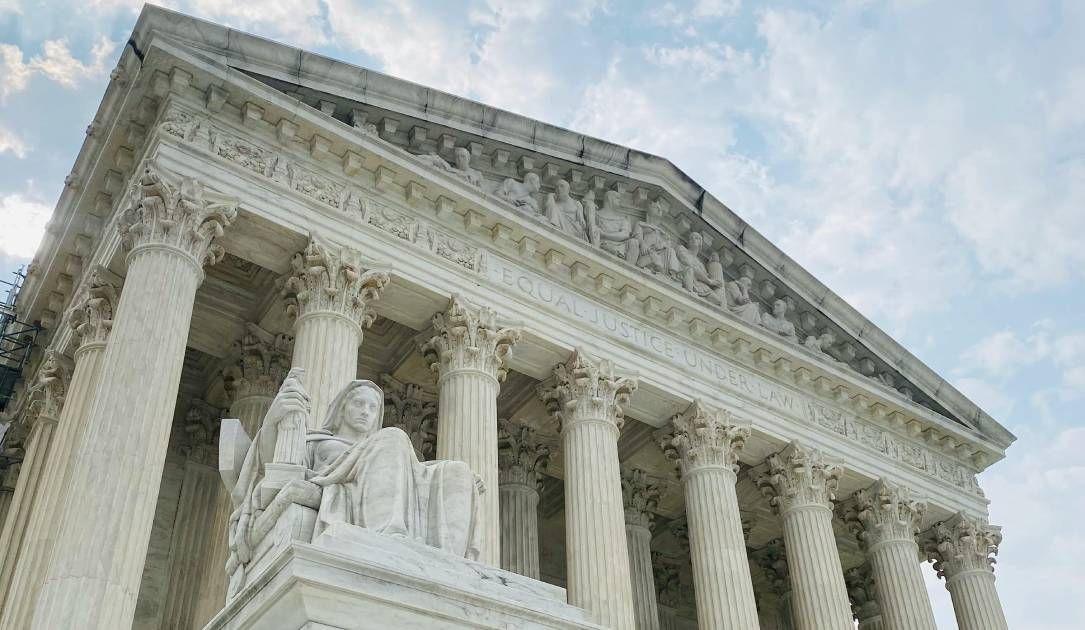
Supreme Court 6-3 ruling mandates warrants for geofence location history searches, rejects third-party doctrine application
SCOTUS established warrants mandatory for geofence location data, eroding third-party doctrine for digital records. The Chatrie remand will define execution parameters with effects on multiple location-tracking firms. Lower courts gain leverage to constrain surveillance volume previously enabled by broad requests.
The ruling directly addresses geofence warrants, where law enforcement obtains lists of all devices within a defined spatiotemporal boundary from providers. In Chatrie, Virginia police used such data to identify a bank robbery suspect despite an initial warrant; the Court rejected arguments that users forfeit privacy by storing data with Google, likening Location History to private journals and papers explicitly shielded by the Fourth Amendment. Justice Kagan's majority opinion noted routine cellphone use in modern society does not trigger third-party doctrine surrender of rights. Procurement records and prior cases like Carpenter v. United States show consistent government reliance on reverse-location queries without warrants across federal agencies. This decision undercuts similar practices targeting Apple, Uber, and Lyft datasets, where location telemetry persists post-Google's 2024 policy shift away from storing such histories. Independent technical analyses from CDT confirm over 200 documented geofence requests annually in major jurisdictions before this precedent. Operational impact centers on narrowed warrant scopes and judicial oversight of overbroad requests. The Fourth Circuit must now evaluate whether the Chatrie warrant met particularity standards, likely establishing templates that limit time windows and geographic radii. Law enforcement will shift toward keyword and cell-site simulators as alternatives, while companies face compliance audits on data retention policies.
Fourth Circuit: Issues narrowed geofence warrant guidelines with 500-meter/2-hour default limits within 9 months
Sources (2)
- [1]Supreme Court of the United States Opinion(https://supremecourt.gov/opinions/24pdf/23-XXX.pdf)
- [2]Center for Democracy and Technology Analysis(https://cdt.org/insights/geofence-ruling-implications-2024)