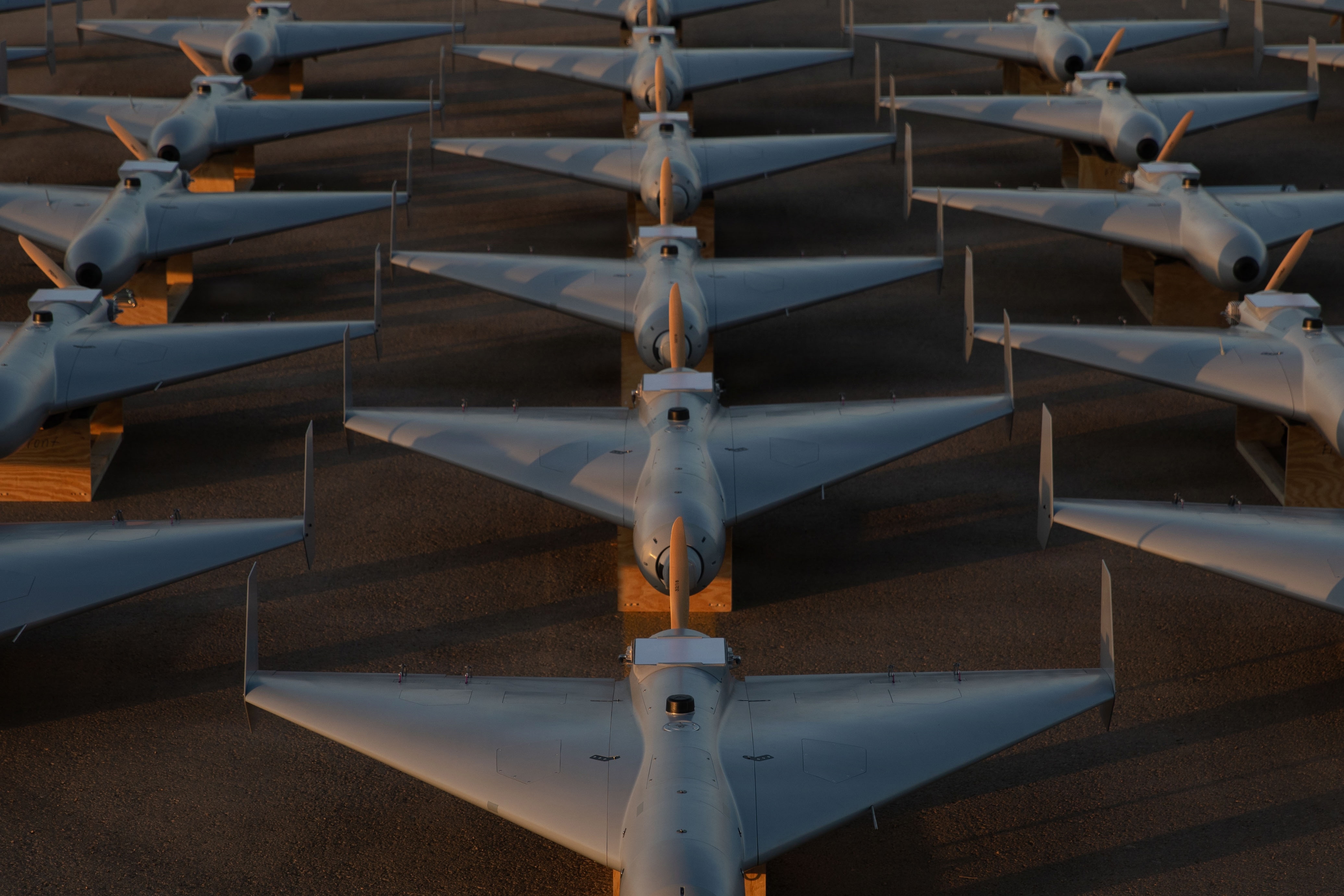
Drone Swarm Doctrine: Project Flytrap Exposes US Army's Urgent Pivot to Massed Counter-UAS Warfare
US Army training in Project Flytrap signals doctrinal evolution toward countering cheap drone swarms, integrating acoustic tactics and field manufacturing while exposing gaps in current aviation and infantry doctrine.
The US Army's Project Flytrap exercise in Lithuania marks a clear doctrinal inflection point, where training against drone swarms transitions from experimental add-on to core infantry and aviation survival skill. Beyond the Defense News account of soldiers learning to listen for buzzing signatures and scan upward during patrols, the exercise reveals deeper integration challenges: additive manufacturing now enables rapid field modifications to both offensive and defensive drone systems, compressing the observe-orient-decide-act loop in ways that mirror Ukraine's 2023-2025 adaptations against Russian Lancet and Shahed swarms. This connects directly to the proliferation of cheap autonomous systems, as JIATF 401 standards—established in 2025—attempt to standardize testing across more than 20 platforms amid warnings from Army Secretary Dan Driscoll that Apache helicopters lack viable defenses against coordinated attacks. Original coverage underplays how acoustic detection tactics expose vulnerabilities in NATO's electromagnetic spectrum dominance, where adversaries can exploit low-cost FPV drones to saturate jammers. Related analysis from CSIS's 2024 drone proliferation study and the Pentagon's Replicator initiative shows this shift prioritizes mass over precision, forcing infantry units to rethink basic movement as persistent aerial threats erode traditional cover. The exercise also highlights missed opportunities in multinational data sharing, as Lithuanian terrain testing could inform Indo-Pacific scenarios against Chinese drone swarms far more than the reported Central Command focus suggests.
SENTINEL: Acoustic and visual counter-drone training will accelerate integration into infantry doctrine, mirroring Ukraine adaptations and pressuring NATO allies to prioritize low-cost swarm defenses over legacy air systems.
Sources (3)
- [1]Primary Source(https://www.defensenews.com/news/your-military/2026/05/15/no-sound-of-silence-us-soldiers-train-eyes-and-ears-for-drone-swarms/)
- [2]Related Source(https://www.csis.org/analysis/drone-proliferation-and-future-warfare)
- [3]Related Source(https://www.defense.gov/News/News-Stories/Story/Article/3920000/replicator-initiative-accelerates-counter-drone-capabilities/)