Congressional Hearing Revives MKULTRA Scrutiny: Luna-Led Task Force Examines CIA Program's Legacy and Calls for Transparency
A June 30, 2026, House hearing on MKULTRA, led by Rep. Anna Paulina Luna, confirmed the program's historical scope and alleged prior congressional misleading, drawing from official records and expert testimony while raising questions about declassification and legacy implications.
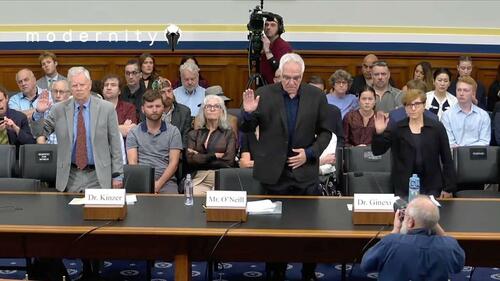
On June 30, 2026, the House Oversight Committee's Task Force on the Declassification of Federal Secrets held its first congressional hearing on the CIA's MKULTRA program since 1977. Chaired by Rep. Anna Paulina Luna (R-Fla.), the session titled “Mind Control and Accountability: Uncovering the Truth of the CIA’s MKULTRA Project” focused on the program's history, the destruction of records, and the impact on public trust in government institutions.
MKULTRA, active from the early 1950s to the 1970s, involved approximately 149 subprojects exploring LSD, hypnosis, sensory deprivation, and other techniques on unwitting subjects. Most records were destroyed in 1973, and the CIA later described the efforts as largely unsuccessful in testimony before Congress.
Investigative journalist Tom O'Neill, author of Chaos, submitted written testimony asserting that the CIA misled lawmakers in 1977. He cited discrepancies between internal agency documents and what was presented to Congress, stating that MKULTRA was not characterized accurately as a failure. Author Stephen Kinzer also contributed context on the program's leadership under Sidney Gottlieb.
Official House Oversight releases and C-SPAN coverage confirm the hearing examined declassification barriers and historical accountability. While the proceedings centered on past events and transparency, the ZeroHedge-sourced article highlighted broader concerns about advances in neuroscience, AI, and related technologies potentially extending such capabilities. No official testimony or documents from the hearing explicitly confirmed active modern programs.
The event underscores ongoing congressional interest in Cold War-era intelligence activities and the challenges of declassifying sensitive historical records.
[Luna Task Force]: Renewed focus on MKULTRA declassification could pressure intelligence agencies for greater historical transparency, potentially influencing future oversight of behavioral science programs amid advancing technologies.
Sources (5)
- [1]Luna Opens Hearing on MKULTRA Project Transparency(https://oversight.house.gov/release/luna-opens-hearing-on-mkultra-project-transparency/)
- [2]Hearing: Mind Control and Accountability: Uncovering the Truth of the CIA’s MKULTRA Project(https://oversight.house.gov/hearing/mind-control-and-accountability-uncovering-the-truth-of-the-cias-mkultra-project/)
- [3]Hearing Wrap Up: Declassifying Information is Important for Preserving Public Trust(https://oversight.house.gov/release/hearing-wrap-up-declassifying-information-is-important-for-preserving-public-trust/)
- [4]Tom O’Neill Statement for the Record(https://oversight.house.gov/wp-content/uploads/2026/06/ONeill-Written-Testimony.pdf)
- [5]House Oversight Hearing on CIA's MKULTRA Project(https://www.c-span.org/event/house-committee/house-oversight-hearing-on-cias-mkultra-project/444586)