Gunfire in the Arabian Sea: How US Naval Action Against the Touska Reveals the Breaking Points in Iran Containment
US Navy kinetic disablement of Iranian cargo vessel Touska represents a sharp escalation in the Arabian Sea blockade, exposing fragile ceasefire fault lines, inviting asymmetric retaliation, and highlighting overlooked linkages between sanctions enforcement, shadow fleets, and great-power energy interests.
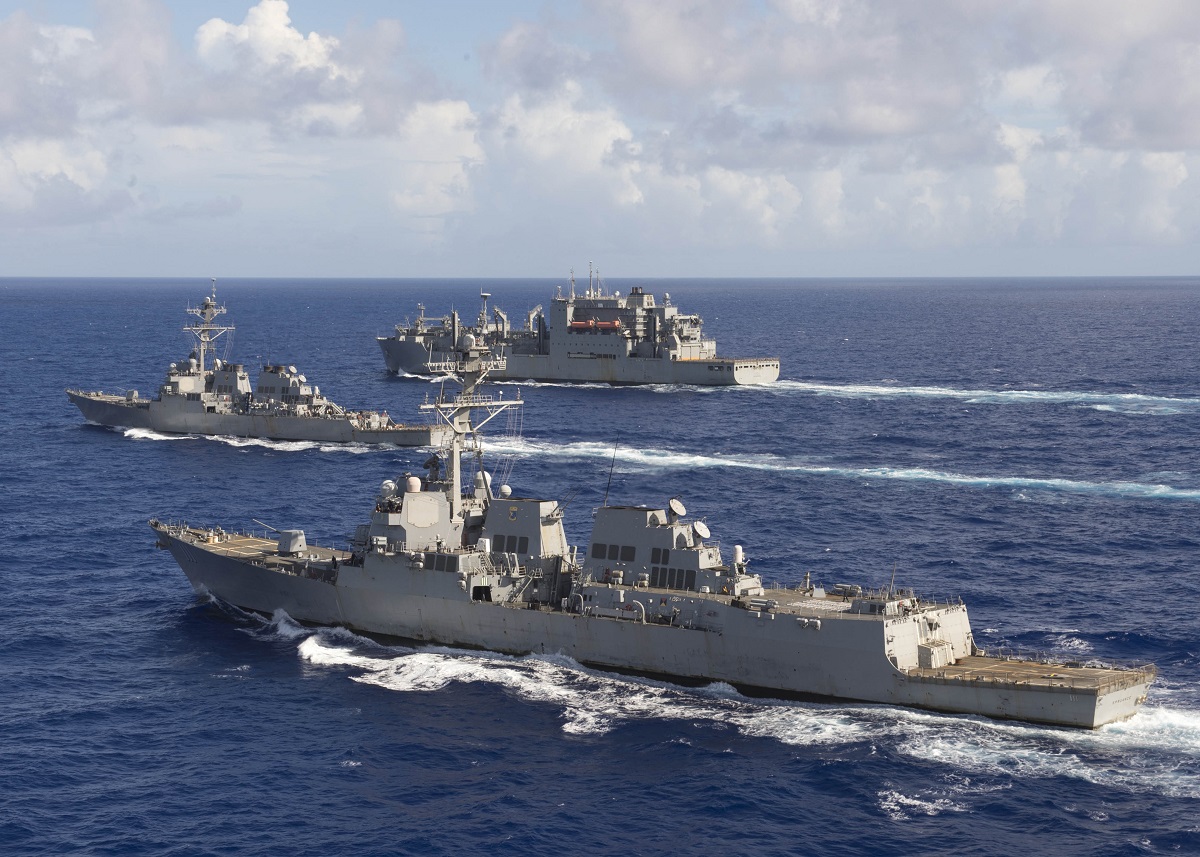
The USS Spruance’s use of its 5-inch MK 45 gun to disable the engine room of the Iranian-flagged M/V Touska is more than an enforcement action detailed in Monday’s Defense News dispatch. It marks a doctrinal shift from warning shots and interdiction to calibrated kinetic disablement, a threshold not crossed in routine blockade operations since the later stages of the 1980s Tanker War. While CENTCOM framed the six-hour warning period and subsequent precision fire as measured, this incident exposes deeper fault lines in the fragile post-April 13 ceasefire that most coverage has missed.
Original reporting correctly notes the vessel’s sanctions history and the 25 prior redirects but underplays the significance of targeting the engine room specifically. This is a tactic drawn from updated rules of engagement refined after encounters with Iranian fast-attack craft and drone swarms in 2019-2021, designed to neutralize propulsion while minimizing loss of life—an acknowledgment that Washington seeks to avoid images of sinking ships even as it escalates. The ship’s reported near-900-foot length suggests a large bulk or tanker profile capable of moving significant volumes of sanctioned crude or dual-use components, aligning with patterns documented in a 2024 Reuters investigation into Iranian shadow fleet expansion.
Synthesizing the primary CENTCOM release with a March 2026 CSIS report on blockade logistics and a contemporaneous IISS strategic comment on Gulf escalation ladders reveals what has been overlooked: the blockade’s dependence on 10,000 troops and dozens of aircraft is straining both US logistics and diplomatic bandwidth. Iran’s swift rejection of renewed talks, coupled with First Vice President Aref’s explicit linkage of oil export freedom to regional security, mirrors Tehran’s 2018-2019 playbook after US withdrawal from the JCPOA. What Western coverage often misses is how China’s quiet purchases of Iranian crude have subsidized Tehran’s resilience; any sustained blockade directly challenges Beijing’s energy calculus, a variable largely absent from Pentagon messaging.
The risks are immediate. Iranian Revolutionary Guard Corps naval forces have historically responded to such incidents with asymmetric tools—mines, loitering munitions, and proxy militia attacks on commercial shipping. The decision to deploy Marines from the 31st MEU for boarding after disabling fire increases the chance of direct confrontation if Iranian speedboats arrive before the vessel can be fully secured. President Trump’s Truth Social framing, emphasizing the ship’s size and US custody, signals domestic political intent to project strength but simultaneously narrows diplomatic exit ramps that quieter State Department channels might have preserved.
This event fits a recurring pattern: each time Washington has attempted maximum-pressure maritime containment (1987-88, 2019, 2022-23), Iran has replied with calibrated disruption that spikes global oil prices and tests alliance cohesion. The current ceasefire, already strained by “excessive demands” from both sides, now faces its most severe test. The Touska incident does not exist in isolation; it is the logical outcome of a blockade conceived after collapsed talks, executed with overwhelming force, yet lacking a clear off-ramp. Without rapid de-escalatory signaling from both capitals, the Arabian Sea risks reverting to the tense, hair-trigger environment last seen during Operation Earnest Will.
SENTINEL: Direct gunfire to disable propulsion crosses from interdiction into kinetic engagement, almost certainly triggering Iranian asymmetric responses via proxies or mines within days. This will further fracture the shaky ceasefire and spike risk premiums on Gulf energy transit.
Sources (3)
- [1]US Navy destroyer fires on cargo vessel attempting to sail to Iranian port(https://www.defensenews.com/news/your-military/2026/04/20/us-navy-destroyer-fires-on-cargo-vessel-attempting-to-sail-to-iranian-port/)
- [2]Iran threatens response after US fires on cargo ship(https://www.reuters.com/world/middle-east/iran-vows-retaliation-after-us-navy-strikes-cargo-vessel-2026-04-20/)
- [3]Blockades and Brinkmanship: Naval Strategy in the Gulf(https://www.csis.org/analysis/blockades-and-brinkmanship-naval-strategy-gulf)