US Self-Defense Strikes Shatter Ceasefire Fragility, Exposing Nuclear Brinkmanship and Hormuz Flashpoints
US strikes during Iran ceasefire signal escalation beyond headlines, threatening nuclear talks, oil routes, and regional proxies with global ripple effects.
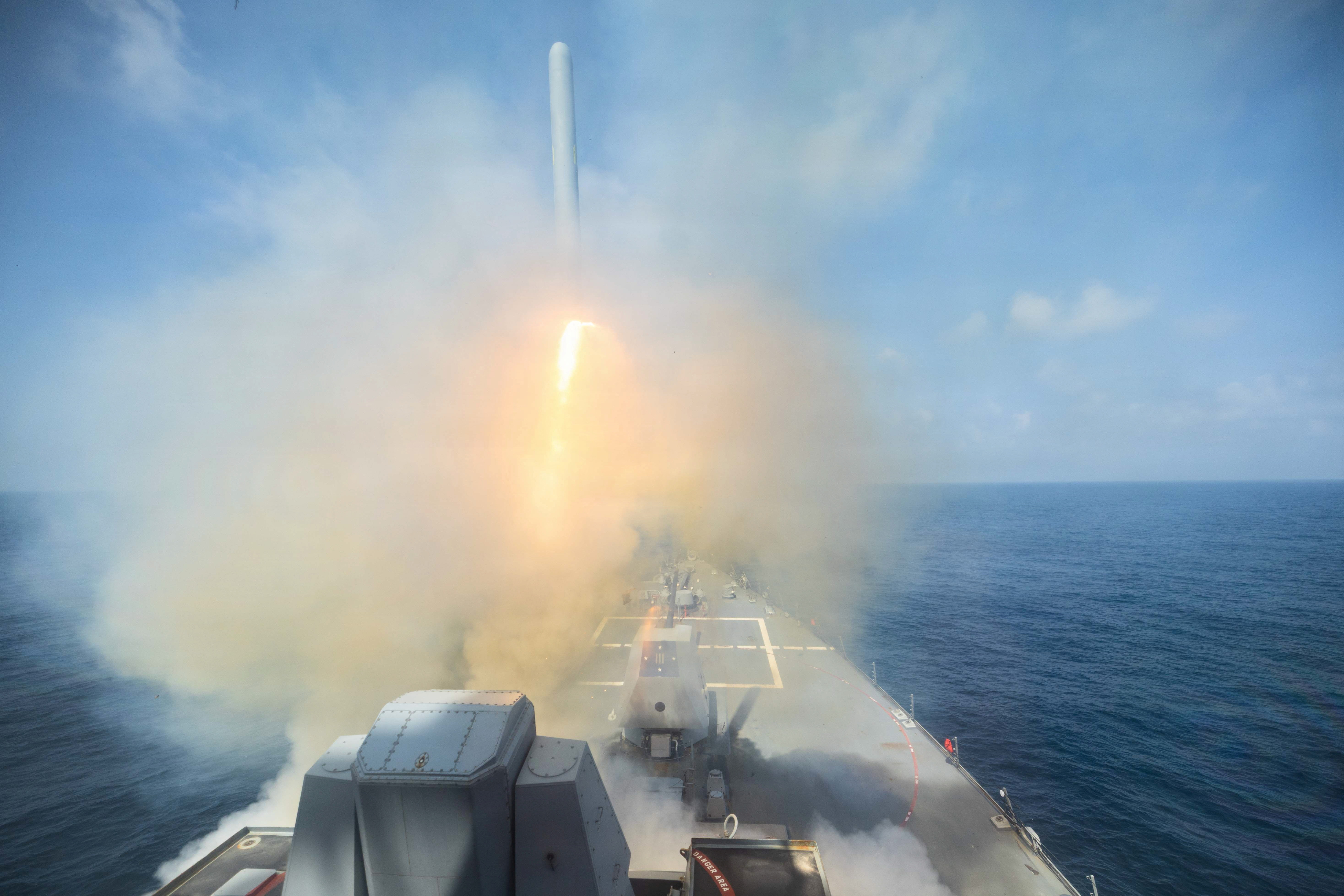
The reported Tomahawk strikes from USS Spruance against Iranian missile sites and mine-laying boats represent more than routine self-defense; they mark a deliberate US pivot toward preemptive degradation of IRGC naval capabilities in the Strait of Hormuz, a corridor handling 20% of global oil transit. While the Defense News account frames events as measured responses to tanker interdictions and drone attacks on US destroyers, it underplays how these actions directly undermine the Trump administration's 60-day ceasefire extension talks by eroding Iranian incentives for nuclear compliance. Drawing on patterns from the 2019 tanker crisis and 2020 Soleimani strike, the current sequence reveals a recurring US strategy of calibrated force to force concessions on enrichment limits, yet risks mirroring past miscalculations where proxy retaliation (Houthis, Hezbollah) escalates uncontrollably. A Reuters analysis from May 2026 highlights unreported Chinese diplomatic backchannels urging restraint to protect Belt and Road energy routes, a dimension absent from CENTCOM statements. Similarly, a CSIS report on regional dynamics notes that mine-laying attempts echo 1980s Tanker War tactics, suggesting Tehran is testing blockade enforcement thresholds ahead of any Atomic Energy Commission verification of nuclear materials. This coverage misses the intelligence dimension: strikes on command nodes likely disrupted IRGC surveillance of US carrier groups, potentially accelerating Iranian dispersal of enriched uranium stocks. The net effect threatens wider spillover into Iraq and Syria via militia networks, while spiking Brent crude volatility that could reach $120/barrel if Hormuz closures materialize.
[SENTINEL]: Strikes accelerate proxy mobilization and uranium dispersal, likely forcing Trump to choose between extended conflict or diluted nuclear terms within 30 days.
Sources (3)
- [1]Primary Source(https://www.defensenews.com/news/your-navy/2026/05/26/us-launches-self-defense-strikes-against-iran-amid-ongoing-ceasefire/)
- [2]Reuters Iran Nuclear Update(https://www.reuters.com/world/middle-east/iran-enrichment-ceasefire-2026)
- [3]CSIS Hormuz Security Assessment(https://www.csis.org/analysis/strait-hormuz-risks-2026)