Pentagon's Exclusion of Anthropic Signals Deeper AI Rivalry and National Security Shifts
The Pentagon’s exclusion of Anthropic from AI partnerships reveals a strategic shift in military tech adoption, prioritizing control and compliance over ethical innovation amid U.S.-China rivalry. Beyond contractual disputes, this move signals broader national security and surveillance implications, risking long-term innovation in the AI sector.
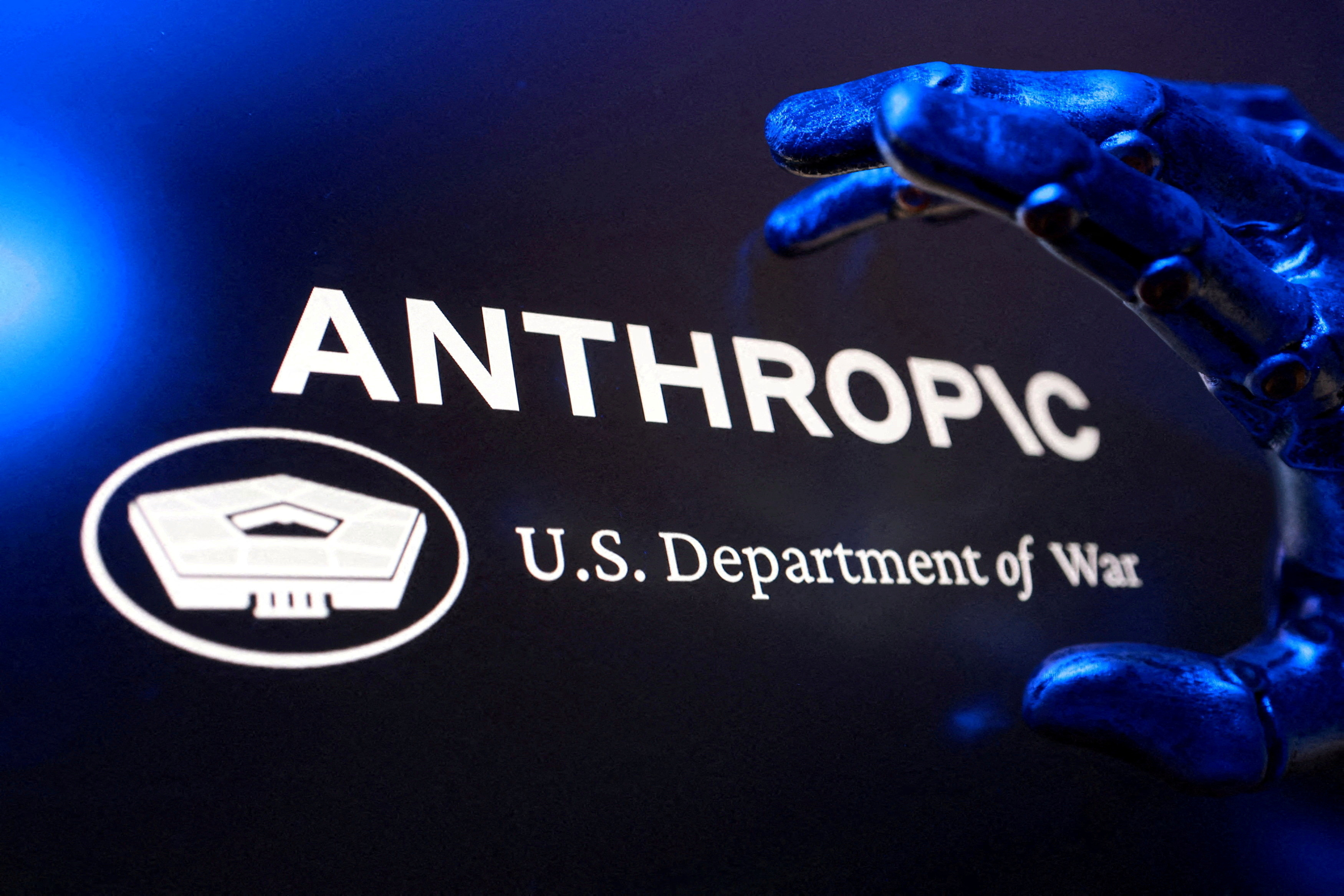
The Pentagon's recent announcement of partnerships with seven major AI companies—SpaceX, OpenAI, Google, NVIDIA, Reflection, Microsoft, and Amazon Web Services—marks a pivotal moment in the U.S. military's push to become an 'AI-first fighting force.' Notably absent from this lineup is Anthropic, an AI frontier lab designated by the Department of Defense (DoD) as a supply-chain risk to national security in March 2026. This exclusion, rooted in Anthropic’s refusal to provide unrestricted access to its Claude models for autonomous weapons and mass surveillance, reveals far more than a contractual dispute. It underscores a broader strategic shift in military technology adoption, highlighting tensions between innovation, ethics, and national security imperatives in an era of rapid AI advancement.
Mainstream coverage, such as the Defense News report, focuses narrowly on the contractual agreements and Anthropic’s legal challenges against the DoD’s designation. What it misses, however, is the deeper geopolitical and technological context driving this rift. Anthropic’s exclusion is not merely a punitive measure but a signal of the Pentagon’s prioritization of control over cutting-edge AI systems amid intensifying global competition, particularly with China, which is aggressively integrating AI into its military capabilities. The DoD’s decision to partner with tech giants like Google and Microsoft, known for their extensive government contracts and compliance with national security protocols, suggests a preference for reliability and alignment over potentially disruptive innovation from firms like Anthropic, which emphasize ethical guardrails.
This move also reflects a pattern seen in past military-tech dynamics. For instance, during the early 2000s, the DoD similarly sidelined smaller defense contractors who resisted stringent data-sharing requirements, favoring established players like Lockheed Martin. Anthropic’s situation parallels this, but with higher stakes given AI’s transformative potential in warfare—from autonomous drones to real-time battlefield analytics. The Pentagon’s insistence on unrestricted access to AI models, as reported, raises unaddressed questions about the future of civil liberties and the militarization of domestic surveillance tools, issues that Anthropic has publicly flagged but which Defense News and similar outlets have underplayed.
Furthermore, the timing of this exclusion aligns with broader U.S.-China tech rivalries. According to a 2025 report by the Center for Strategic and International Studies (CSIS), China’s investments in AI for military applications have surged, with state-backed firms like Huawei developing systems that rival U.S. capabilities. The DoD’s hardline stance on Anthropic may be an attempt to consolidate domestic AI resources under tighter control, preventing any perceived vulnerabilities in the supply chain that could be exploited by adversaries. This angle, absent from initial reporting, ties the Anthropic case to a larger narrative of tech nationalism and strategic competition.
Recent signs of potential reconciliation, including a meeting between Anthropic CEO Dario Amodei and White House officials on April 17, 2026, suggest that the exclusion may not be permanent. However, even if a deal emerges, as hinted by President Trump’s comments to CNBC, it will likely come with stringent conditions that could reshape Anthropic’s operational autonomy. What remains unclear—and unaddressed in current coverage—is how this precedent will impact other AI startups. Will smaller innovators face similar pressures to conform, stifling ethical debates in favor of military expediency? The Pentagon’s actions could inadvertently chill innovation in a sector critical to maintaining U.S. technological dominance.
Synthesizing insights from multiple sources, including the original Defense News article, a 2025 CSIS report on AI militarization, and a 2024 Bloomberg analysis of U.S.-China tech tensions, it’s evident that the Anthropic exclusion is a microcosm of a larger struggle to balance security, ethics, and innovation. The DoD’s partnerships with compliant tech giants may accelerate short-term military modernization, but they risk alienating pioneering firms whose ethical stances could shape long-term public trust in AI. This tension, largely overlooked in initial reports, is where the real story lies—not just in who was excluded, but why, and what it portends for the future of warfare and surveillance in a hyper-connected world.
SENTINEL: The Pentagon’s stance on Anthropic may temporarily strengthen military AI integration, but it risks alienating ethical innovators, potentially slowing long-term U.S. dominance in AI if smaller firms are sidelined.
Sources (3)
- [1]Pentagon Freezes Out Anthropic as It Signs Deals with AI Rivals(https://www.defensenews.com/news/pentagon-congress/2026/05/01/pentagon-freezes-out-anthropic-as-it-signs-deals-with-ai-rivals/)
- [2]Artificial Intelligence and National Security: The Case for U.S. Leadership(https://www.csis.org/analysis/artificial-intelligence-and-national-security-case-us-leadership)
- [3]U.S.-China Tech War: AI at the Forefront(https://www.bloomberg.com/news/articles/2024-03-15/us-china-tech-war-ai-at-the-forefront)