Bipartisan lawmakers demand security answers from ID verification firms after 150 million scans leak
Bipartisan lawmakers demanded security details from identity verification firms after IDScan's cloud breach exposed more than 150 million identity scans. The case shows how third-party vendors that retain high-resolution government IDs create concentrated fraud and surveillance risk. It matters because such documents cannot be rotated like passwords, leaving individuals and institutions exposed for years.
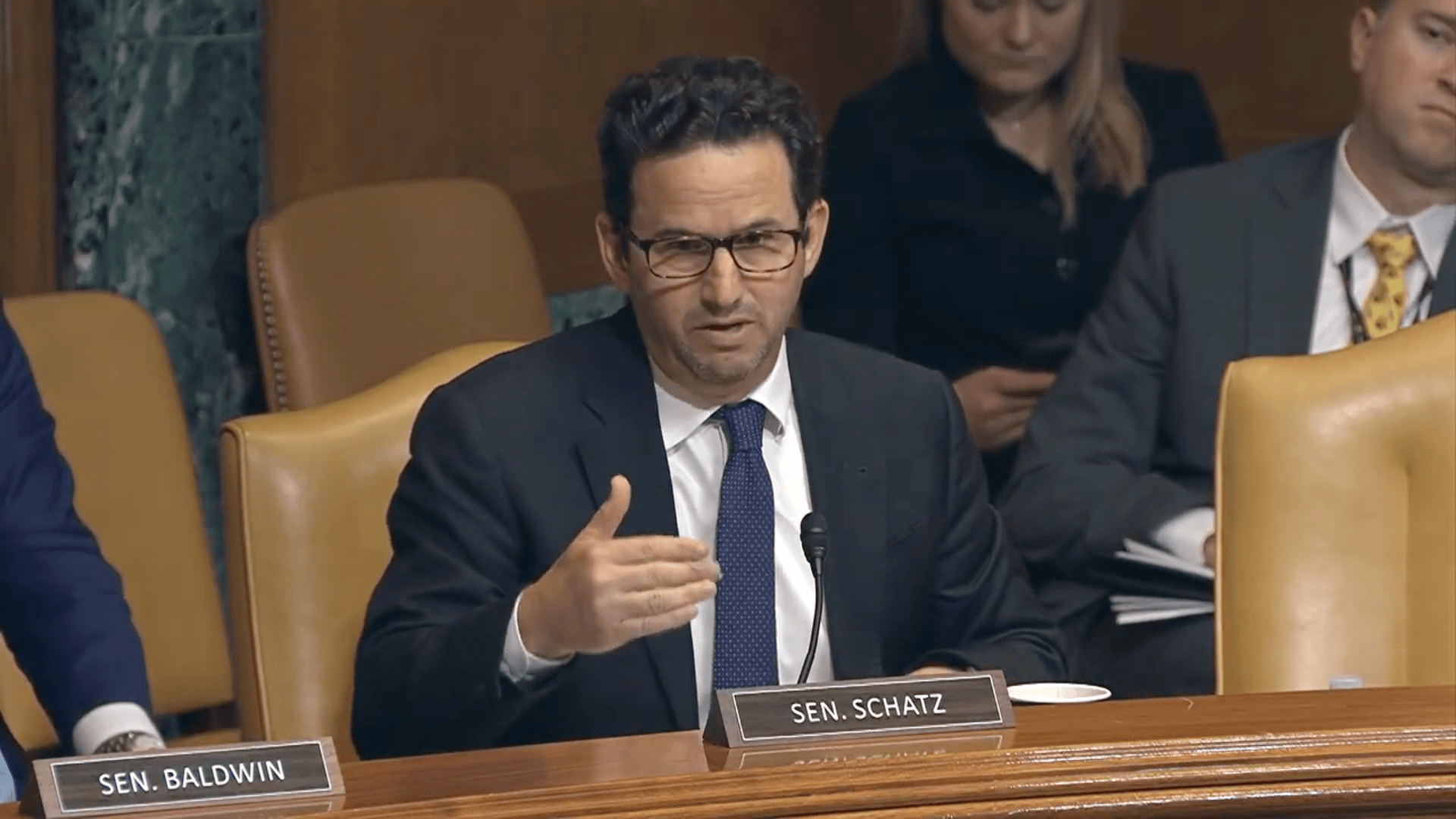
A bipartisan group of senators and representatives sent a letter Monday to identity verification companies, including IDScan, after a September breach exposed scans of more than 150 million people's drivers' licenses and other identity documents for sale on the dark web. The letter demanded details on how firms collect, store and protect customer data, citing theft of customer data from IDScan's cloud platform and an FBI investigation. The exposed set also included nearly 600,000 medical cards, employment authorizations and other sensitive documents.
The evidence trail begins with reporting by Brian Krebs, who first disclosed the IDScan breach in September and later said he found more than two dozen identity verification companies that store scanned IDs, often by default. Customers sometimes must pay more to stop scans from being retained after verification. Cybercriminals on the Russia-tied dark web marketplace Nexus reportedly began exfiltrating data more than a year before the stolen information was discovered online. The peddled license scans included ultraviolet, infrared and other detailed images.
The letter's national security framing is separate from the breach's technical attribution. Lawmakers wrote that foreign adversaries could infer Americans' behavior through commercial data linked to government credentials, and they pointed to scans belonging to high-ranking military and intelligence officials. That is a policy warning, not a technical finding that a state actor stole the data. The operational pattern is more concrete: identity gatekeepers have retained high-resolution identity artifacts, creating a concentrated target for fraud, credential abuse and long-term exposure. IDScan did not immediately respond to a request for comment.
The stakes are practical for people whose identity documents were copied, because government-issued IDs cannot be replaced the way passwords can. The letter urged companies to hunt vulnerabilities, deploy zero-trust architecture and limit collection, sharing and storage of personal information, citing AI-enabled attack risk. For users of banks, gig platforms, healthcare services and other verified access points, the exposure shows how a failure at a third-party verification vendor can spread beyond one company and undermine trust in digital identity checks.
It affects people whose government IDs were scanned and institutions that rely on verification vendors, because copied high-resolution documents can enable fraud and long-term exposure. The episode shows how one vendor's storage practices can put millions of users at risk.
Sources (1)
- [1]Lawmakers warn ID verification companies to bolster security after September hack(https://therecord.media/idscan-data-breach-warning-congressional-letter)