Iranian Strikes on Tankers in Strait of Hormuz Escalate Regional Tensions Amid Oil Export Standoff
Corroborated reports confirm Iranian-linked attacks on multiple tankers in the Strait of Hormuz in late September 2026, echoing Ghalibaf's threats and highlighting risks to global oil transit amid ongoing regional conflict.
Reports from maritime security monitors and international media indicate a series of attacks on commercial vessels transiting the Strait of Hormuz in September 2026, including incidents involving suspected projectiles or UAVs striking tankers. UKMTO documented multiple cases where vessels were hit, resulting in fires or structural damage but no reported casualties in the most recent alerts. One incident involved a tanker struck on its port side, igniting a fire that was addressed without injuries or environmental impact. These events align with broader patterns of Iranian actions targeting shipping perceived as using unauthorized routes, particularly the southern corridor near Omani waters.
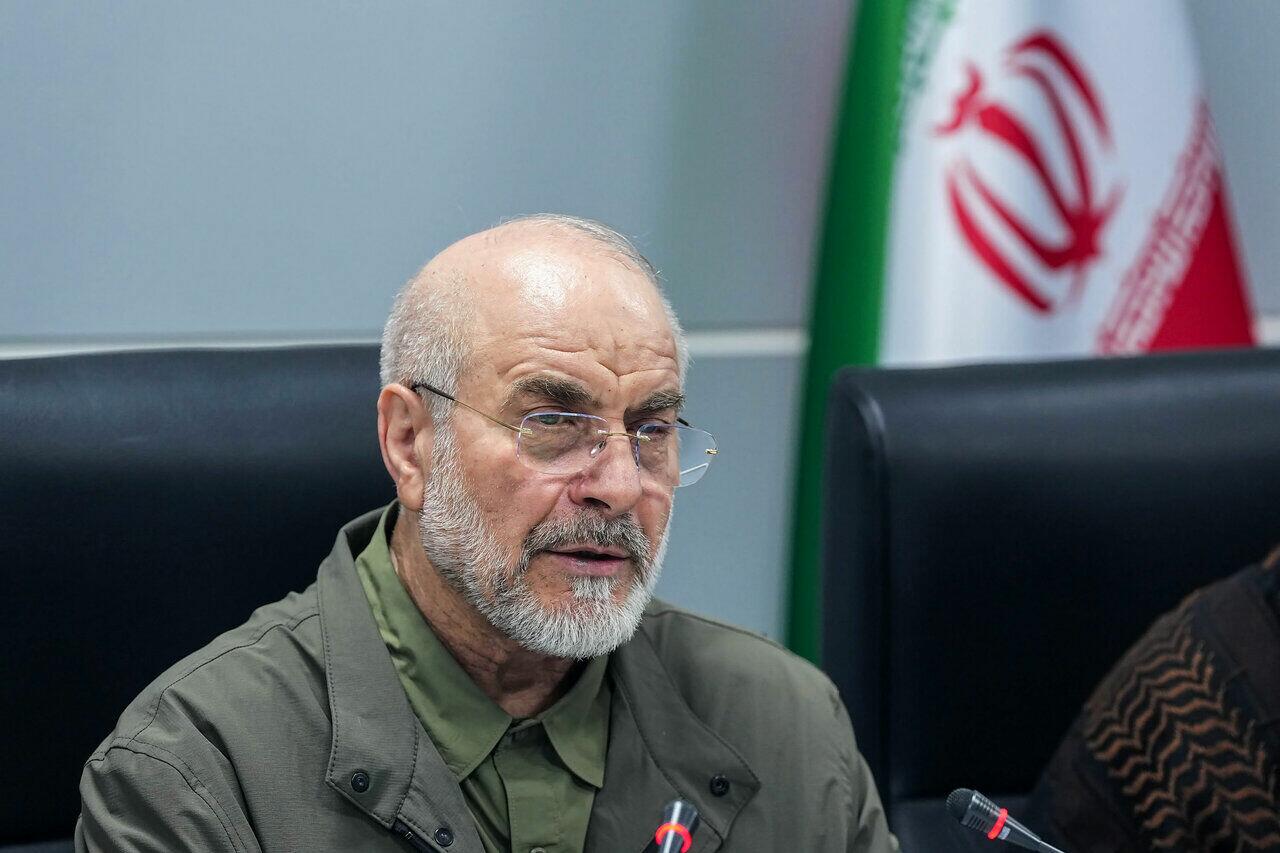
Iranian Parliament Speaker Bagher Ghalibaf has reiterated warnings that "in a region where we don’t sell oil, no one will sell oil," emphasizing that Iranian security is tied to regional infrastructure safety and the absence of U.S. forces in the strait. Similar statements from Ghalibaf date back to July and August 2026. Senior Iranian military figures have also signaled potential expansion of confrontations, including references to the Bab al-Mandab Strait.
Context from monitoring firms and data trackers shows fluctuating but resilient oil flows through the strait despite the risks, with exports from major Middle Eastern producers rebounding at times. However, repeated strikes have prompted heightened alerts, insurance concerns, and U.S. responses targeting Iranian-linked vessels in retaliation. Wikipedia compilations and reports from Reuters and UANI detail dozens of attacks on both sides since the conflict intensified earlier in 2026, including Iranian strikes on Saudi, Qatari, and other flagged tankers.
The incidents underscore Iran's strategy of leveraging control over the chokepoint—through which a significant portion of global oil passes—to pressure negotiations and deter perceived adversaries, even as diplomatic overtures persist alongside military posturing.
Maritime analysts: Persistent attacks will drive up war risk premiums and rerouting, pressuring oil prices upward while complicating any near-term diplomatic resolution over Hormuz transit.
Sources (5)
- [1]Three Tankers Attacked Near Strait of Hormuz as JMIC Warns of ‘Severe’ Threat(https://www.worldports.org/three-tankers-attacked-near-strait-of-hormuz-as-jmic-warns-of-severe-threat/)
- [2]Iran and US hit tankers in biggest wave of attacks on shipping since war began(https://www.reuters.com/world/middle-east/iran-attacks-us-base-jordan-ships-near-hormuz-after-tankers-sunk-2026-09-09/)
- [3]No one will sell oil in region where Iran cannot: Ghalibaf(https://en.mehrnews.com/news/247287/No-one-will-sell-oil-in-region-where-Iran-cannot-Ghalibaf)
- [4]List of ships attacked during the 2026 Iran war(https://en.wikipedia.org/wiki/List_of_ships_attacked_during_the_2026_Iran_war)
- [5]Iran Shipping Update – September 22, 2026(https://www.unitedagainstnucleariran.com/analysis/iran-shipping-update-september-22-2026)