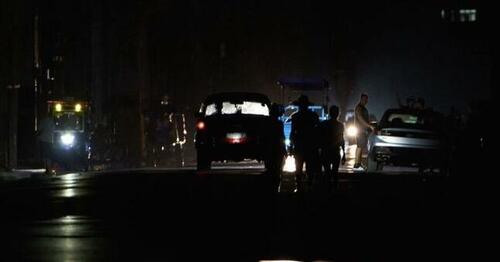
Cuba's Second Nationwide Blackout in Days Highlights Deepening Energy Crisis Amid Fuel Shortages and Grid Failures
Credible reporting from Al Jazeera, Reuters, AP, CNN, and The Guardian confirms Cuba's recent island-wide blackouts, driven by fuel shortages from US sanctions and infrastructure decay in its state-run energy sector, illustrating systemic vulnerabilities in centralized economies.
Cuba experienced its second nationwide power outage in less than a week on Friday, July 10, 2026, following a similar collapse on Monday, July 6, according to the state electricity company Unión Eléctrica (UNE). The blackouts left approximately 10 million people without power across the island, compounding an ongoing energy crisis marked by fuel shortages and an aging electrical grid. Multiple independent reports confirm the events, with the latest outage attributed to fluctuations in grid parameters after a transmission line failure.[1][2]
The crisis stems from severe fuel constraints, including a de facto US oil blockade under the Trump administration that has restricted shipments from Venezuela and pressured other suppliers. Cuba's state-controlled energy system, reliant on imported oil and outdated infrastructure, has suffered repeated nationwide failures—the third or fourth this year and the eighth since late 2024. Authorities have implemented rolling blackouts lasting 24+ hours in urban areas and longer in rural zones to conserve dwindling reserves.[3][4]
While Cuban officials cite external sanctions and 'gunboat diplomacy,' analyses point to chronic underinvestment, mismanagement, and the vulnerabilities of centralized planning in a command economy under sustained external pressure. The situation connects to broader patterns of strain in state-dominated systems facing resource shocks, with limited international focus compared to other geopolitical flashpoints. Protests have erupted in Havana and elsewhere over prolonged outages affecting hospitals, water supply, and daily life.[5]
US lawmakers have called for additional sanctions on Cuban state entities, including medical services exports, amid the turmoil. Power restoration efforts are ongoing but hampered by systemic deficits, with predictions of further disruptions as fuel supplies remain precarious. Wikipedia entries document the 2024–2026 blackout series and the linked 2026 Cuban crisis tied to fuel and economic pressures.[6]
Analyst: Persistent blackouts and fuel blockade will accelerate domestic unrest and pressure for incremental market reforms in Cuba's energy sector, potentially drawing more regional attention to state economic model limitations.
Sources (7)
- [1]Cuba suffers second nationwide blackout in five days(https://www.aljazeera.com/video/newsfeed/2026/7/11/cuba-suffers-second-nationwide-blackout-in-five-days)
- [2]Cuba suffers third nationwide blackout in six months(https://www.theguardian.com/world/2026/jul/06/cuba-suffers-third-nationwide-blackout-in-six-months)
- [3]Cuba hit with nationwide blackout as US pressure continues(https://www.cnn.com/2026/07/06/americas/cuba-blackout-electrical-grid-intl-latam)
- [4]Protests break out in Havana as Cuba struggles to restore power(https://www.reuters.com/business/energy/cuba-struggles-restore-power-island-following-nationwide-grid-collapse-2026-07-07/)
- [5]An islandwide blackout strikes Cuba for the second time this week as its grid crumbles(https://apnews.com/article/cuba-blackout-power-outage-1a812d96a36c301cba6214767a87630f)
- [6]2024–2026 Cuba blackouts(https://en.wikipedia.org/wiki/2024%E2%80%932026_Cuba_blackouts)
- [7]Cuba sees nationwide power blackout for third time in six months(https://www.aljazeera.com/news/2026/7/7/cuba-sees-nationwide-power-blackout-for-third-time-in-six-months)