Hantavirus Outbreak on MV Hondius Reveals Overlooked Zoonotic Risks of Expedition Travel and Ecosystem Disruption
Corroborated hantavirus (Andes strain) outbreak on the MV Hondius cruise ship, originating from a Dutch ornithologist's South American exposure, has led to three deaths and prompted evacuations in the Canary Islands. While officials stress low pandemic risk, the event highlights under-discussed vulnerabilities in expedition tourism, environmental changes boosting zoonotic spillovers, and selective mainstream health coverage.
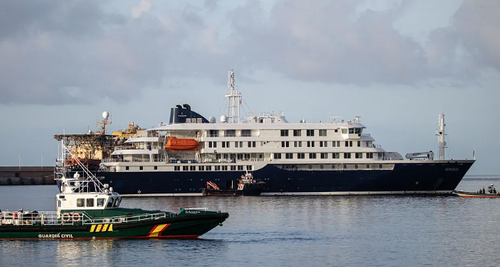
The evacuation of the Dutch-flagged MV Hondius from the Canary Islands this week marks more than an isolated maritime health incident. It underscores how global travel—particularly niche, high-end expeditions into remote ecosystems—is accelerating exposure to zoonotic pathogens like the Andes strain of hantavirus. Patient zero has been identified as Dutch ornithologist Leo Schilperoord, who along with his wife contracted the virus during extended travel in South America, likely from aerosolized rodent droppings disturbed during fieldwork or visits to areas with high rodent activity such as landfills. Both later died, with additional cases and fatalities emerging among the ship's 149 passengers and crew. By May 10, 2026, the vessel had docked in Tenerife, with asymptomatic passengers being repatriated under coordinated international efforts.
Official responses emphasize containment: the CDC has stated the risk to the American public remains extremely low, while the WHO and Africa CDC have tracked a cluster of roughly eight cases (three confirmed, including three deaths). Health authorities note that most hantaviruses are not easily transmitted between humans, yet the Andes variant's documented person-to-person spread raises unique concerns in confined settings like cruise ships. Mainstream coverage from outlets like The New York Times, AP News, and The Guardian has framed the event as contained and unlikely to spark broader outbreaks, with prediction markets showing pandemic odds below 10%. President Trump described the situation as "very much under control."
Yet this lens misses deeper patterns. The boom in luxury expedition cruising to Antarctica, South Georgia, and South American wilderness—enabled by ice-class vessels like the Hondius—places more humans in direct interface with changing ecosystems. Climate shifts and habitat disruption are known to influence rodent populations and their pathogen carriage, creating spillover opportunities that parallel but differ from more sensationalized viral threats. Unlike COVID-era narratives that drove mass hysteria, this rodent-linked emergence receives measured reporting that may understate cumulative risks of global mobility networks acting as vectors for environmental pathogens. The Schilperoords' birdwatching expedition, intended to observe avian life, instead highlighted how human intrusion into biodiverse zones can unwittingly import rare but lethal threats. As more travelers seek remote authenticity, such incidents may become sentinels for broader zoonotic pressures ignored amid preference for familiar pandemic scripts. Real corroboration from CDC statements, WHO outbreak notices, and reporting by PBS, NPR, and CNBC confirms the timeline, the role of prior South American exposure, and the low but non-zero transmission nuances—patterns warranting scrutiny beyond surface-level containment narratives.
[LIMINAL]: This outbreak signals that expanding adventure travel into disrupted ecosystems is quietly amplifying zoonotic bridges, exposing structural vulnerabilities in global mobility that mainstream outlets downplay in favor of familiar crisis templates.
Sources (6)
- [1]CDC Provides Update on Hantavirus Outbreak Linked to M/V Hondius Cruise Ship(https://www.cdc.gov/media/releases/2026/2026-cdc-provides-update-on-hantavirus-outbreak-linked-to-m-v-hondius-cruise-ship.html)
- [2]What to Know About the Hantavirus Outbreak on an Atlantic Cruise Ship(https://www.nytimes.com/article/hantavirus-cruise-ship-outbreak-hondius.html)
- [3]Passengers evacuated from hantavirus-stricken cruise ship begin flying home from Canary Islands(https://apnews.com/article/hantavirus-cruise-ship-hondius-tenerife-1c43c66d2b0555cf946d9e57fc65f1d4)
- [4]MV Hondius: the ice-breaking expedition cruise hit with hantavirus cases(https://www.theguardian.com/world/2026/may/05/mv-hondius-ice-breaking-expedition-cruise-suspected-hantavirus-outbreak)
- [5]Medical epidemiologist explains what to know about the cruise ship hantavirus outbreak(https://www.pbs.org/newshour/health/medical-epidemiologist-explains-what-to-know-about-the-cruise-ship-hantavirus-outbreak)
- [6]Statement on Multi-Country Hantavirus Cluster Associated with Cruise Ship Travel(https://africacdc.org/news-item/statement-on-multi-country-hantavirus-cluster-associated-with-cruise-ship-travel/)