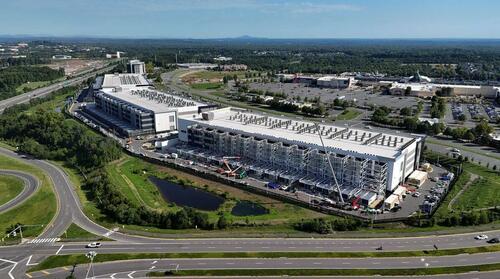
PJM Grid Reliability at Risk by 2030 as Data Center Boom Outpaces Power Supply
Official PUC-backed study confirms PJM faces dramatically elevated blackout risks by 2030 from data center growth; corroborated by Utility Dive, WHYY, and PJM market data, highlighting urgent infrastructure-policy tensions affecting daily life and regional economies.
The Pennsylvania Public Utility Commission (PUC) released an independent study on September 14, 2026, warning that the PJM Interconnection—the largest U.S. regional transmission organization serving 67 million people across 13 states and D.C.—faces severe resource adequacy shortfalls by 2030 primarily due to surging electricity demand from data centers. Commissioned from Synapse Energy Economics, Mondre Energy, and Aspen Technologies, the analysis models PJM’s loss of load expectation (LOLE), a metric targeting no more than 0.1 days of potential shortages per year (roughly one event every decade). In the reference scenario aligned with PJM’s 2026 load forecast, 2030 LOLE reaches 0.59—nearly six times the planning criterion. A high-load, low-supply scenario projects LOLE at 13.20, over 100 times worse, implying more than 13 days of load loss events annually. Only a no-new-data-centers scenario meets the target. Data centers drive the imbalance: new additions projected for 2029–2030 in the severe case exceed Pennsylvania’s entire current annual electricity demand. Pennsylvania risks shifting from net exporter (91 TWh in 2025) to importer by 2040 under high-load conditions, with some demand potentially unmet. This builds on documented PJM capacity auction shortfalls, including a 6,831 MW gap for 2028–29, and market monitor findings that data center load accounted for 9% of wholesale costs through mid-2026 while adding billions in capacity revenues. Broader context includes PJM’s own forecasts of 30+ GW peak load growth by 2030 (94% from data centers), interconnection delays, retirements, and supply chain issues. Policy responses are emerging: Gov. Josh Shapiro’s executive order offers expedited permitting for large data centers (>25 MW) committing to new power sources; the PUC is updating curtailment rules and considering large-load tariffs to shield residential ratepayers. PJM has acknowledged the mismatch and referenced a Ratepayer Protection Pledge by developers. These dynamics illustrate critical infrastructure strain in a globalized AI economy—reliable power underpins everything from household appliances and hospitals to data-driven industries, yet unchecked hyperscale demand risks higher bills, emergency curtailments, and economic tradeoffs for millions. Connections to national trends show similar pressures elsewhere, underscoring the need for coordinated supply additions, demand management, and rate design to prevent localized reliability crises from cascading.
PJM Market Monitor: Unaddressed data center load growth will sustain capacity shortfalls and elevated costs through at least 2030, pressuring residential rates and forcing policy interventions like mandatory co-location of generation or strict curtailment protocols to maintain reliability for the 67 million served.
Sources (4)
- [1]PUC Study Warns Rapid Data Center Growth Could Pose Serious Risks to Electric Reliability(https://www.puc.pa.gov/press-release/2026/puc-study-warns-rapid-data-center-growth-could-pose-serious-risks-to-electric-reliability-09142026)
- [2]PJM faces 2030 reliability crisis if data center load growth continues: report(https://www.utilitydive.com/news/pjms-reliability-could-start-failing-by-2030-if-data-center-growth-continu/830405/)
- [3]Data center growth drives blackout risk, Pa. PUC says(https://whyy.org/articles/data-centers-blackouts-electricity-risk/)
- [4]Risks of Rapid Data Center Growth in PJM(https://www.synapse-energy.com/risks-rapid-data-center-growth-pjm)