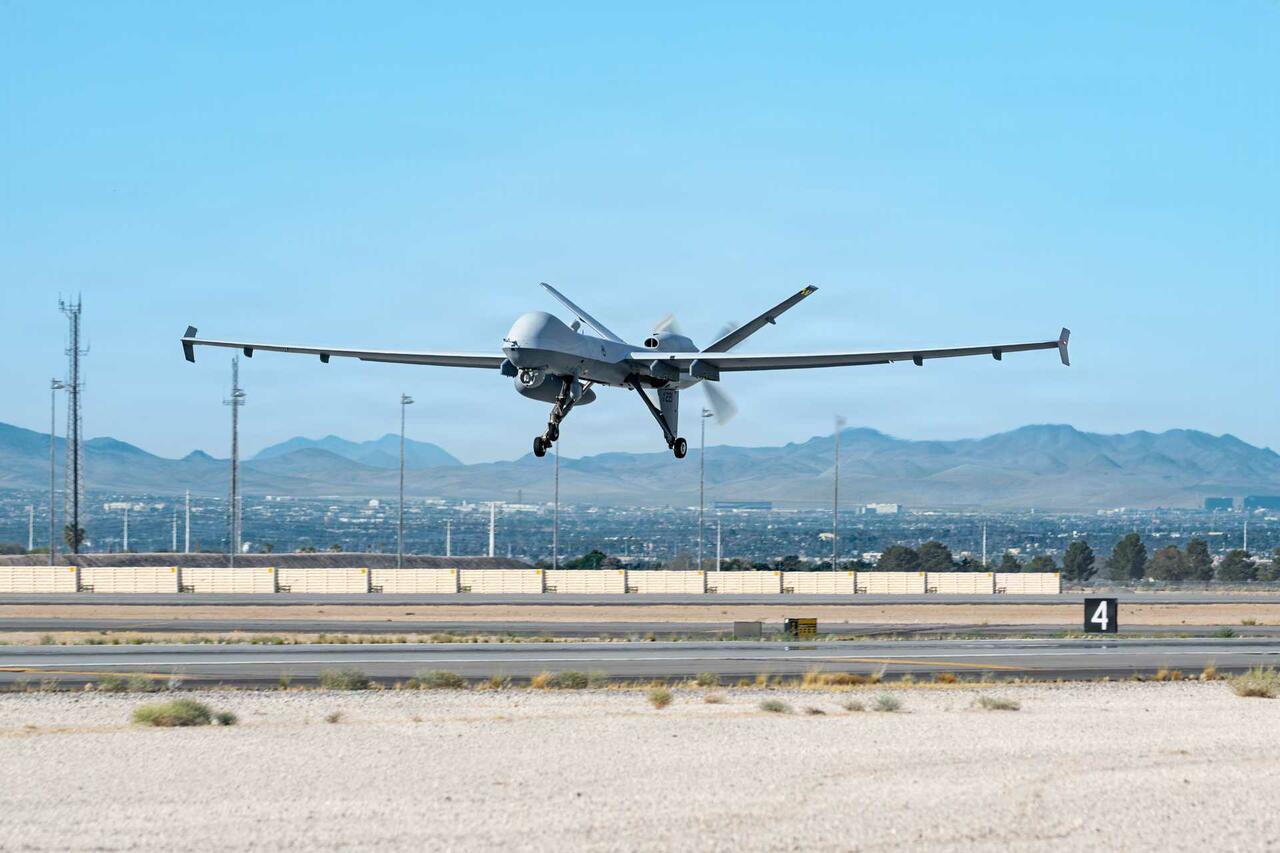
US MQ-9 Reaper Drones Deployed to Colombia and Ecuador for Anti-Cartel Operations
Credible reporting confirms US transfer of MQ-9 Reapers to Colombia and Ecuador for ISR against narcoterrorism, driven by regional political alignments and fleet constraints; deeper implications include shifted global priorities, enhanced bilateral military ties, and local sovereignty debates.
The U.S. military has transferred a small number of MQ-9 Reaper drones from Africa to Colombia and Ecuador as part of expanded cooperation against drug trafficking organizations, according to U.S. officials cited by The New York Times. The move, first signaled by CNN in September 2026, reflects the Trump administration’s prioritization of Latin American cartels amid rightward political shifts in the region. Ecuador’s Defense Minister Gian Carlo Loffredo confirmed that two Reapers are already operating in the country, primarily for intelligence, surveillance, and reconnaissance (ISR) missions along the 732-kilometer border with Colombia. Colombian officials have stated plans to receive three drones on loan, with consideration of purchasing a fourth. These Group 5 UAVs, capable of persistent ISR and potential precision strikes, address shortfalls following reported losses of at least 45 Reapers in the Iran conflict. The deployments align with joint military operations authorized by Ecuador under President Daniel Noboa and Colombia’s aggressive posture under President Abelardo De La Espriella against groups designated as terrorist organizations by the U.S., including ELN, FARC dissidents, and Clan del Golfo. While Ecuador’s constitution prohibits foreign bases, the drones operate from local facilities like Taura Air Base without establishing permanent U.S. installations. Broader context includes the Americas Counter Cartel Coalition and potential expansion of SOUTHCOM activities, raising questions about sovereignty, privacy in surveillance zones, and reallocation of assets from African counterterrorism missions against groups like al-Shabaab. Local media and defense outlets such as Infodefensa and El País corroborate the transfers and operational focus on cocaine corridors in northern Ecuador and southern Colombia.
SOUTHCOM: Expanded drone ISR will intensify targeting of cartel leadership and trafficking routes, potentially reducing operational costs while testing limits of host-nation consent and regional stability.
Sources (5)
- [1]U.S. Sends Reaper Drones to Colombia and Ecuador to Hunt Cartels(https://www.nytimes.com/2026/10/06/world/americas/us-reaper-drones-colombia-ecuador-cartels.html)
- [2]US moves spy drones from Africa to Colombia and Ecuador to combat drug trafficking(https://english.elpais.com/international/2026-10-07/us-moves-spy-drones-from-africa-to-colombia-and-ecuador-to-combat-drug-trafficking.html)
- [3]Ecuador recibe de Estados Unidos sus dos primeros UAV MQ-9A Reaper(https://www.infodefensa.com/texto-diario/mostrar/6038729/209-primicia-ecuador-ecuador-recibe-primeros-uav-reaper-estados-unidos)
- [4]US redeploys MQ-9 Reaper drones from Africa to Colombia and Ecuador to fight drug cartels(https://www.armyrecognition.com/news/aerospace-news/2026/us-redeploys-mq-9-reaper-drones-from-africa-to-colombia-and-ecuador-to-fight-drug-cartels)
- [5]EUA enviam drones militares à Colômbia e ao Equador, diz jornal(https://edition.cnn.com/2026/09/18/politics/us-military-drones-south-america/)