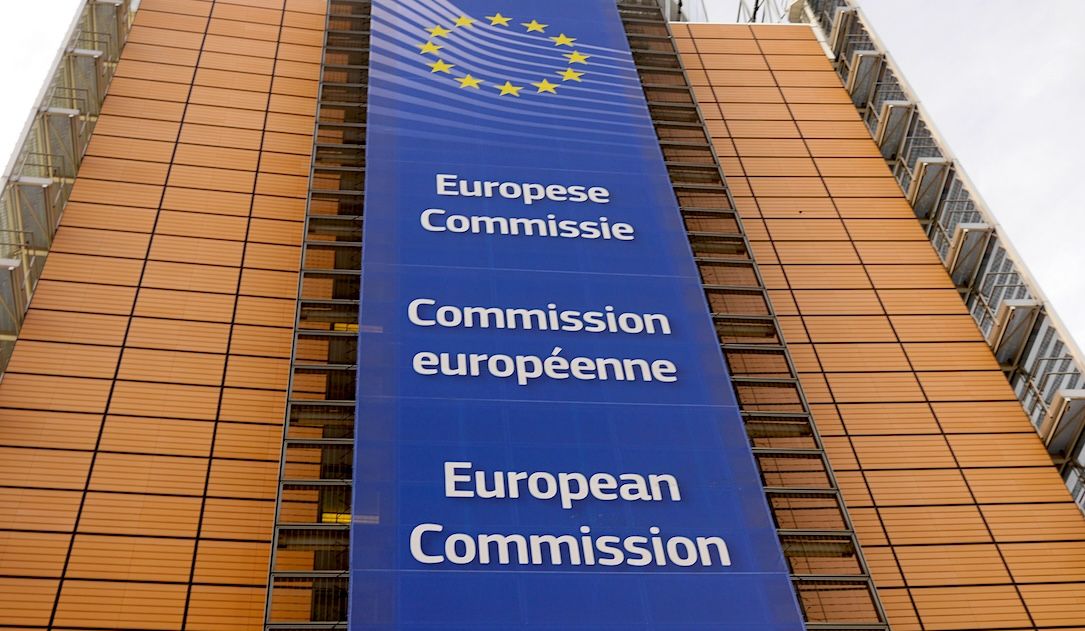
EU's Minimization of ShinyHunters Breach Exposes Systemic Transparency Gaps in High-Level Cyber Reporting
The European Commission's downplaying of a ShinyHunters intrusion on Europa.eu highlights dangerous transparency deficits, understating risks and contradicting the group's history of impactful data thefts while exposing inconsistencies in how top EU bodies report cyber incidents.
The European Commission's swift dismissal of the ShinyHunters intrusion on the Europa.eu portal as having 'limited impact' follows a familiar pattern of institutional damage control that obscures both immediate risks and broader governance failures. While the official statement acknowledges detection of an incident on the EU's central web platform, it carefully avoids detailing the extent of data exfiltration, the dwell time of the intruders, or whether lateral movement into connected institutional systems occurred. This stands in contrast to the group's well-documented history of successful, high-volume data thefts from organizations including universities, tech firms, and government-adjacent entities between 2021 and 2024, where stolen datasets were routinely monetized on dark web markets. What the original coverage missed is the uncomfortable context: Europa.eu serves as the digital gateway for multiple EU institutions, citizen services, and policy databases. A breach here is not merely a website defacement but a potential compromise of the Union's public-facing digital identity. Related incidents, such as the 2022 ShinyHunters campaign against Microsoft and several European companies reported by CrowdStrike, demonstrate the group's persistent focus on harvesting credentials and sensitive user information for resale. Similarly, ENISA's 2023 Threat Landscape report highlighted ransomware and data extortion groups as top threats to EU member states, yet failed to address how supranational bodies themselves often evade the rigorous reporting standards they impose on private industry under the NIS2 Directive. This downplaying reveals deeper transparency gaps at the highest levels of European governance: an apparent reluctance to disclose meaningful forensic details that might expose architectural weaknesses in the EU's shared digital infrastructure. Such opacity risks eroding public confidence, especially amid rising geopolitical cyber tensions with state actors who could exploit the same entry points. The Commission's approach mirrors past incidents, including the understated 2019 EU agency breaches and the more recent MOVEit-related exposures, where initial reassurances later proved overly optimistic. Genuine analysis suggests this is not simply cautious communication but a structural problem: EU institutions face conflicting incentives between maintaining an image of robust cybersecurity leadership and the political cost of admitting vulnerabilities in core platforms. Without mandatory, independent verification of breach scope and impact, citizens and member states are left to trust statements that prioritize narrative containment over operational transparency. This incident should prompt scrutiny not just of the intrusion itself but of the EU's internal accountability mechanisms for cyber events at the supranational level.
SENTINEL: The Commission's minimization of the ShinyHunters breach reveals a pattern where supranational institutions prioritize political optics over transparent reporting, potentially weakening overall EU cyber resilience and inviting further targeting of centralized digital infrastructure.
Sources (3)
- [1]European Commission downplays ShinyHunters cyberattack impact(https://therecord.media/european-commission-downplays-shinyhunters-cyber-claim)
- [2]ShinyHunters hackers breach multiple organizations to steal data(https://www.bleepingcomputer.com/news/security/shinyhunters-hackers-breach-multiple-organizations-to-steal-data/)
- [3]ENISA Threat Landscape 2023(https://www.enisa.europa.eu/publications/enisa-threat-landscape-2023)