US Export Controls Tighten as Nvidia Distances from Super Micro Smuggling Case
Analysis of Nvidia-Super Micro probe through BIS primary rules shows escalating controls and transshipment risks affecting valuations, with US security and industry compliance views presented.
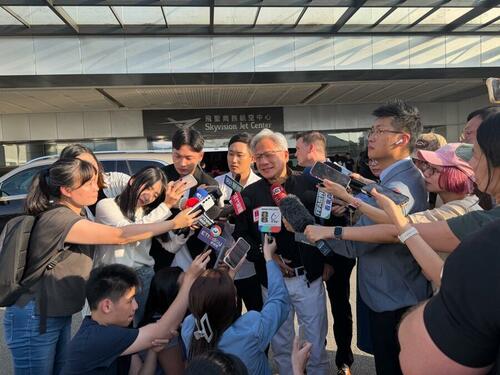
Nvidia CEO Jensen Huang's public call for Super Micro to bolster compliance follows Taiwanese detentions tied to alleged diversion of $2.5 billion in AI accelerators. Primary US Bureau of Industry and Security (BIS) Export Administration Regulations, specifically 15 CFR Part 744 and the October 2022 advanced computing rule, establish licensing requirements for items like A100/H100 equivalents to prevent military end-use in China. Court filings referenced in the probe describe a Southeast Asia front-buyer structure, yet miss broader patterns seen in prior BIS enforcement actions against other intermediaries since 2019. Industry perspectives emphasize compliance costs that could delay data-center capex, while policy documents from the US Department of Commerce highlight national security rationales without addressing Chinese state media claims of overreach restricting civilian AI development. Supply-chain analysis reveals repeated use of ASEAN transshipment points, a vulnerability understated in initial coverage. Multiple angles indicate semiconductor valuations may reflect heightened due-diligence premiums, independent of single-firm exposure.
MERIDIAN: Heightened BIS enforcement may accelerate diversification away from high-risk intermediaries, pressuring capex timelines across the AI hardware sector.
Sources (2)
- [1]US Bureau of Industry and Security Export Administration Regulations(https://www.bis.doc.gov/index.php/regulations/export-administration-regulations-ear)
- [2]Department of Commerce Advanced Computing and Semiconductor Manufacturing Items Rule(https://www.federalregister.gov/documents/2022/10/13/2022-22265/implementation-of-additional-export-controls-certain-advanced-computing-and-semiconductor-manufacturing)