US-Iran Diplomacy in Disarray: Trump Announces Doha Talks, Tehran Denies Engagement Amid Maritime Disruptions
Conflicting US and Iranian statements on Doha talks, combined with Qatar's maritime suspension and Hormuz disruptions, reveal fractured diplomacy that could fuel further regional conflict.
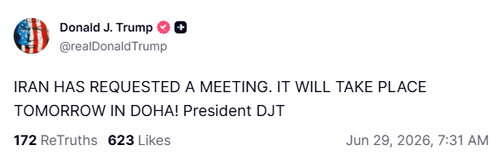
On June 29, 2026, conflicting statements from Washington and Tehran underscored deepening fractures in US-Iran diplomacy. President Donald Trump posted on Truth Social that Iran had requested a meeting to take place the following day in Doha, Qatar. White House officials confirmed that Special Envoy Steve Witkoff and Jared Kushner would travel to Qatar for high-level discussions tied to a memorandum of understanding, with technical talks potentially continuing on the sidelines involving Qatari and Pakistani mediators.[1][2]
Iranian officials quickly pushed back. The Foreign Ministry, cited by Tasnim and Fars news agencies and confirmed by Bloomberg, stated that no negotiation meetings at any level would occur with the American side in the coming days. Iranian Deputy Foreign Minister Kazem Gharibabadi emphasized that reported technical working group meetings were not scheduled, and any talks would only resume once conditions were met.[3][4]
This mismatch in narratives comes against a backdrop of recent weekend strikes, a fragile ceasefire, and heightened regional tensions. Qatar’s Ministry of Transport issued a precautionary advisory suspending most maritime activities—including recreational boats, fishing vessels, and jet skis—until further notice, following reports of a Qatari citizen killed by shrapnel from nearby military operations. Commercial shipping remains largely exempt, but the move signals deteriorating security.[5]
Traffic through the Strait of Hormuz has been reduced, with only a handful of vessels making open transits over the weekend amid ongoing concerns. Both sides have reportedly paused major military actions for now, but Iran has warned that further US involvement in the waterway could derail any diplomatic process.[6]
The episode highlights misaligned expectations: US moves signal momentum toward de-escalation and implementation of prior agreements, while Tehran’s public stance prioritizes leverage, conditions, and avoidance of perceived humiliation. Such divergences risk rapid escalation if mediators fail to bridge the gap or if incidents in the Gulf multiply.
Mediators (Qatar/Pakistan): Continued backchannel efforts may prevent immediate breakdown but prolong uncertainty, sustaining elevated oil price volatility and shipping premiums through July.
Sources (6)
- [1]U.S. says Trump envoys Kushner and Witkoff will travel for Iran meeting in Doha(https://www.reuters.com/world/middle-east/us-says-trump-envoys-kushner-witkoff-will-travel-iran-meeting-doha-2026-06-29/)
- [2]Trump announces meeting with Iran in Qatar despite military skirmishes(https://www.aljazeera.com/news/2026/6/29/trump-announces-meeting-with-iran-in-qatar-despite-military-skirmishes)
- [3]Kushner, Witkoff to lead peace talks in Doha after weekend strikes(https://www.politico.com/news/2026/06/29/iran-talks-jared-kushner-steve-witkoff-00979727)
- [4]US and Iran pause strikes but disagree over next steps on talks(https://abc7ny.com/post/trump-says-iran-has-requested-meeting-iranian-officials-say-nothing-been-scheduled/19412646/)
- [5]Qatar's Ministry of Transport has issued a public safety advisory(https://www.instagram.com/p/DaLTbDDDqrL/)
- [6]Hormuz Traffic Declines as Ship Attacks Spark New Concerns(https://www.bloomberg.com/news/videos/2026-06-29/hormuz-traffic-declines-as-attacks-spark-new-concerns-video)