AI-Driven Layoffs in Crypto: Technological Disruption or Convenient Scapegoat?
AI is cited as a driver of layoffs in crypto firms like Coinbase and PayPal, but the reality blends technological disruption with market downturns and possible 'AI washing.' Historical automation trends in finance and geopolitical implications suggest a deeper shift, raising questions about labor’s future in the sector.
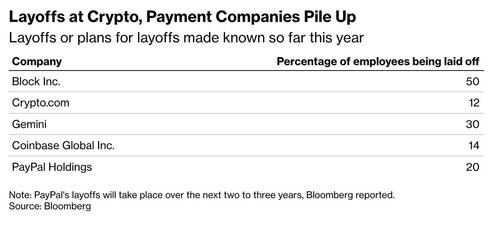
The cryptocurrency and fintech sectors are experiencing a wave of layoffs, with executives from companies like Coinbase, PayPal, and Crypto.com citing artificial intelligence (AI) as a key driver of 'efficiency' and 'automation.' Coinbase CEO Brian Armstrong recently warned that inaction in adopting AI could pose significant risks, positioning the company as 'AI-native' amid job cuts. However, this narrative of technological inevitability masks a more complex reality, intertwining market downturns, overexpansion during the crypto boom, and broader patterns of technological unemployment in finance that warrant deeper scrutiny.
Beyond the immediate layoffs, the crypto sector's embrace of AI reflects a historical pattern of automation displacing labor in financial services. The adoption of algorithmic trading in traditional finance during the early 2000s reduced the need for human traders, a trend documented in studies by the Bank for International Settlements (BIS). Similarly, AI tools now streamline operations like customer support, compliance, and data analysis in crypto firms, as seen with 0G Labs’ reported 25% staff reduction due to internal AI productivity gains. Yet, this raises questions about the long-term sustainability of human roles in a sector already known for volatility. Mainstream coverage, such as the original ZeroHedge report, often frames these layoffs as either AI-driven or market-driven, missing the interplay between the two and the precedent set by earlier tech-driven disruptions in adjacent industries.
Critics, including John Todaro of Needham & Company, argue that 'AI washing' may be at play—using AI as a palatable excuse for cuts tied to declining crypto trading volumes and digital asset prices, which have yet to recover from their 2021 peaks. This skepticism is supported by the timing: Block, Inc., parent of Square and Cash App, initiated major cuts amid broader restructuring, not solely AI adoption, after overexpanding during the pandemic boom. PayPal, meanwhile, faces competitive pressures and leadership transitions, suggesting that AI narratives may obscure more mundane financial motivations. The original coverage underplays these cyclical market factors, focusing heavily on executive statements without sufficient historical context or counterarguments beyond surface-level doubt.
A deeper concern is the potential acceleration of automation across finance, a trend the crypto layoffs may presage. The World Economic Forum’s 2023 Future of Jobs Report highlights that 42% of business tasks could be automated by 2027, with finance among the most impacted sectors. In crypto, where firms often operate with leaner teams and greater tech reliance, this shift could disproportionately affect roles like developers and analysts, reshaping the industry into a more capital-intensive, less labor-intensive model. This pattern connects to broader geopolitical and policy debates about technological unemployment, such as the need for reskilling programs or universal basic income, which remain absent from most crypto-focused discussions.
Raman Shalupau of CryptoJobsList offers a balanced view, estimating an 80/20 split between genuine AI efficiency gains and post-bull run trimming. This suggests that while AI is a real factor, it is not the sole driver—a nuance overlooked in narratives of inevitable disruption. The bigger question is whether this marks a structural shift in crypto’s operational model or a temporary cost-cutting tactic. Historical parallels, like the dot-com bust’s impact on tech hiring, suggest a mix of both: some roles may never return, while others may evolve around AI integration. Policymakers and industry leaders must grapple with these dual forces, as unchecked automation could exacerbate inequality in a sector already criticized for accessibility issues.
What mainstream coverage misses is the geopolitical ripple effect. Crypto firms operate globally, often in regulatory gray zones, and layoffs could influence talent migration to jurisdictions with stronger labor protections or tech incentives, such as the EU’s push for AI regulation under the AI Act. Additionally, the concentration of AI-driven power in a few large firms risks further centralizing an industry born from decentralization ideals—a tension underexplored in current reporting. As AI reshapes crypto, the interplay of technology, market cycles, and policy will determine whether this wave of layoffs is a harbinger of broader disruption or a cyclical adjustment dressed in futuristic rhetoric.
MERIDIAN: The crypto sector’s AI-driven layoffs likely signal an early stage of broader automation in finance, with up to 40% of roles at risk by 2030 if trends mirror traditional markets. Policy responses on reskilling will be critical to mitigate inequality.
Sources (3)
- [1]AI Is Causing A Tidal Wave Of Job Cuts At Crypto Firms(https://www.zerohedge.com/markets/ai-causing-tidal-wave-job-cuts-crypto-firms)
- [2]World Economic Forum - Future of Jobs Report 2023(https://www.weforum.org/publications/the-future-of-jobs-report-2023/)
- [3]Bank for International Settlements - The impact of technology on the financial sector(https://www.bis.org/publ/arpdf/ar2020e3.htm)