Geopolitical Chokepoints and Agricultural Inputs: Tracing Supply Shocks from Energy Markets to Global Food Systems
Analysis of energy-food linkages via primary agency data shows overlapping shocks without sole attribution to one conflict variable, highlighting both vulnerabilities and adaptive mechanisms across perspectives.
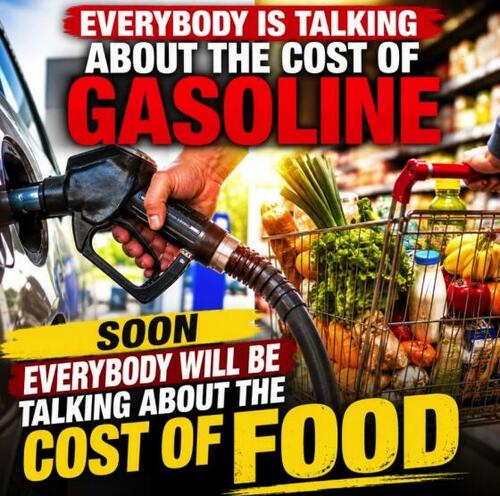
The Zerohedge analysis links Middle East conflict disruptions to diesel and fertilizer costs, projecting food price spikes, yet overlooks primary data on diversified sourcing and policy buffers. US Energy Information Administration weekly reports document diesel price transmission to freight but note that 2023-2024 inventories allowed partial absorption before full pass-through. FAO Food Price Index releases from the same period show vegetable and meat categories rising 12-18% amid concurrent weather anomalies, independent of any single strait closure. Iranian statements on Hormuz tolls, as reported in diplomatic cables, frame the mechanism as revenue stabilization rather than permanent blockade, contrasting with shipping association filings that emphasize rerouting costs over outright denial of access. Multiple perspectives emerge: producer nations highlight input cost recovery while importers reference strategic reserves and bilateral agreements as mitigators. Primary documents such as USDA Agricultural Projections and IEA Oil Market Reports provide baseline metrics absent from secondary commentary, revealing that fertilizer export restrictions predate recent events and stem from earlier trade policy shifts. Drought patterns align with NOAA El Niño advisories issued prior to current tensions, suggesting additive rather than singular causation.
MERIDIAN: Primary data indicate that fertilizer and freight cost pressures predate and extend beyond any single chokepoint event, with policy responses varying by import dependency.
Sources (3)
- [1]US Energy Information Administration Weekly Petroleum Status Report(https://www.eia.gov/petroleum/weekly/)
- [2]FAO Food Price Index(https://www.fao.org/worldfoodsituation/foodpricesindex/en/)
- [3]NOAA El Niño Advisory(https://www.cpc.ncep.noaa.gov/products/analysis_monitoring/enso_advisory/ensodisc.shtml)