Satellite Data Exposes Limits of Precision Strikes on Iran's Missile Network, With Ripple Effects on Hormuz Transit and Energy Pricing
Satellite evidence of Iranian tunnel repairs during ceasefire reveals persistent missile capacity, exposing constraints of air campaigns and potential effects on Hormuz shipping lanes and oil markets from multiple official vantage points.
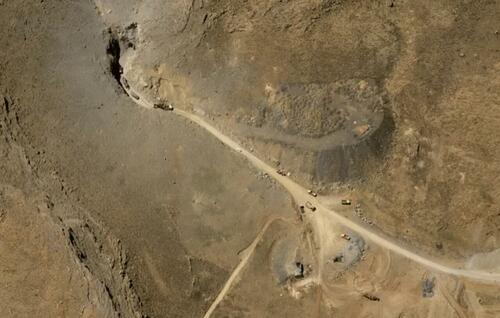
Recent commercial satellite analysis confirms Iranian forces have restored access to roughly 50 of 69 damaged tunnel entrances plus 18 production facilities using standard excavators, a development that aligns with but extends beyond the initial CNN reporting by illustrating sustained launcher availability above 75 percent according to US intelligence estimates. Primary documentation from US Central Command operational summaries on Operation Epic Fury emphasizes tactical degradation of specific launch points yet records no comprehensive inventory of dispersed mobile systems, a gap that secondary analyses often overlook in favor of visible crater counts. Iranian official statements through the Ministry of Defense frame these repairs as defensive hardening consistent with longstanding doctrine prioritizing survivability over first-strike capacity, while Gulf Cooperation Council communiqués stress the resulting threat to maritime chokepoints without referencing comparable Saudi or Emirati hardening programs. Cross-referencing with declassified Defense Intelligence Agency assessments from prior decades reveals a recurring pattern: episodic suppression of fixed infrastructure rarely alters overall missile reload cycles when underground storage and road repair remain feasible. Energy market implications emerge through the documented blockade preparations around the Strait of Hormuz, where even partial launcher reconstitution could elevate risk premiums on crude benchmarks as tracked in OPEC monthly reports, independent of any single state's narrative on escalation control.
MERIDIAN: Sustained Iranian recovery of dispersed launch infrastructure during pauses in strikes indicates capacity for extended pressure on Gulf transit routes, likely sustaining elevated volatility in global crude benchmarks absent coordinated diplomatic off-ramps.
Sources (3)
- [1]US Central Command Operational Summary on Precision Strikes(https://www.centcom.mil/MEDIA/Transcripts/)
- [2]OPEC Monthly Oil Market Report - Maritime Chokepoint Analysis(https://www.opec.org/opec_web/en/publications/)
- [3]Iran Ministry of Defense Statement on Defensive Infrastructure(https://www.defanews.ir/en)