Russia Escalates Strikes on Ukraine's Digital Infrastructure Amid Broader Geopolitical Strain
Corroborated reports confirm Russia's targeted strikes on Ukrainian data centers and telecoms in September 2026, framed by Moscow as military necessities but disrupting civilian and military digital systems amid ongoing war.
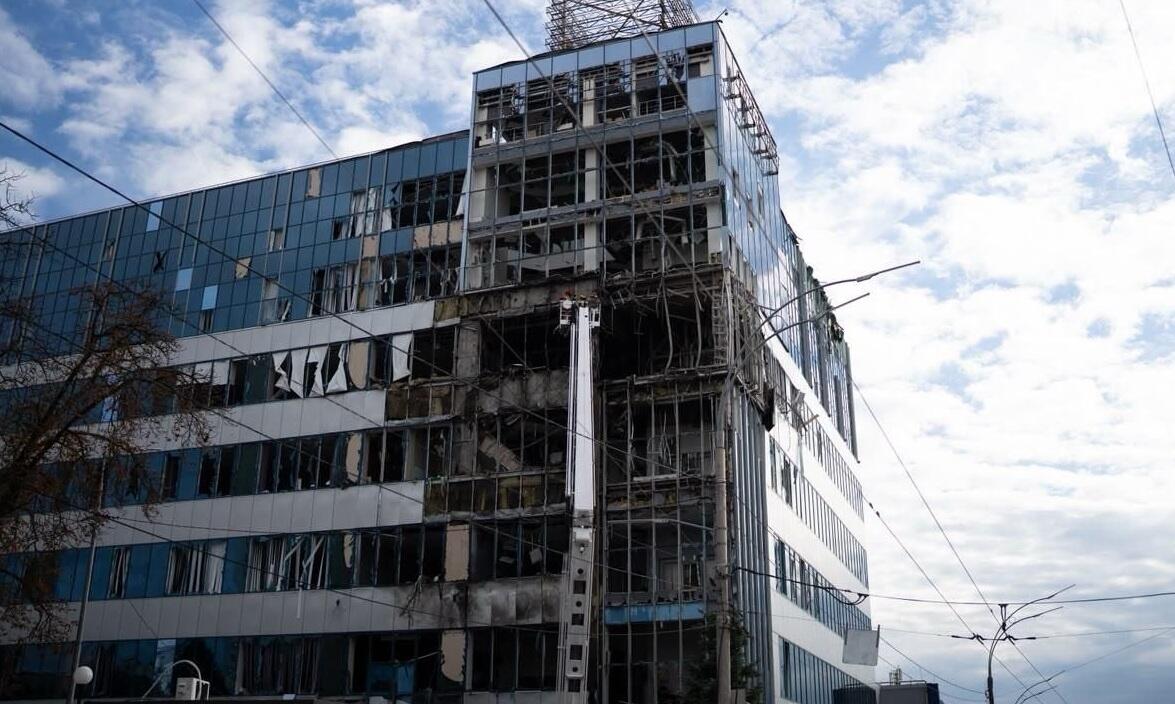
In late September 2026, Russian forces intensified drone attacks on Ukrainian data centers and telecommunications infrastructure in Kyiv and other cities, targeting facilities linked to major providers including Datagroup, Cosmonova, Kyivstar, Vodafone Ukraine, Omega Telecom, and others. The Russian Defense Ministry justified the strikes as hitting sites that "process and transmit intelligence data for the Ukrainian Armed Forces," posting imagery with the sarcastic caption "Digital detox" and "Mandatory!" on social media.
Ukrainian officials and companies reported damage leading to service disruptions, including temporary internet outages affecting around 100,000 households in the Kyiv region, interruptions to television broadcasts, and impacts on mobile networks. Kyivstar confirmed its headquarters was hit with no casualties, while other strikes caused injuries, including to children, and contributed to at least several deaths amid wider attacks that also hit energy facilities and residential areas.
This campaign represents a shift toward systematic degradation of Ukraine's digital backbone, which supports military communications (including Starlink), intelligence processing, banking, payments, and public services. As winter approaches, such disruptions compound vulnerabilities in energy and connectivity resilience. Ukraine's Foreign Minister Andrii Sybiha highlighted the intent to "disrupt the flow of information," noting rapid alerts save lives.
These actions unfold against a backdrop of sustained drone exchanges and Ukraine's push toward AI-enhanced military capabilities, raising stakes for international relations. Allies monitor risks of spillover, including potential NATO concerns over escalation, while energy markets remain sensitive to prolonged conflict instability in the region.
Liminal Analyst: These strikes signal Russia's intent to erode Ukraine's asymmetric advantages in information warfare and connectivity, potentially prolonging conflict by complicating coordination and civilian resilience, with ripple effects on European energy security perceptions and alliance cohesion.
Sources (6)
- [1]Russia keeps attacking Ukrainian data centers, calling it a ‘mandatory digital detox’ — Meduza(https://meduza.io/en/feature/2026/09/28/russia-keeps-attacking-ukrainian-data-centers-calling-it-a-mandatory-digital-detox)
- [2]Russia hits Ukraine's largest mobile provider, strikes data centres | Reuters(https://www.reuters.com/business/aerospace-defense/russia-hits-ukraines-largest-mobile-provider-strikes-data-centres-2026-09-27/)
- [3]Russian Strikes Kill Four in Ukraine, Damage Kyiv Data Center - Bloomberg(https://www.bloomberg.com/news/articles/2026-09-27/russian-strikes-kill-four-in-ukraine-damage-kyiv-data-center)
- [4]Russia strikes at heart of Ukraine’s digital economy with attacks on ISPs and datacentres | The Guardian(https://www.theguardian.com/world/2026/sep/26/russia-strikes-ukraine-digital-economy-attacks-isps-datacentres)
- [5]Russian Defense Ministry says strikes hit data centers serving Ukrainian military - Xinhua(https://english.news.cn/20260928/0d507ac7403e4910b137952d5ae71cf4/c.html)
- [6]bne IntelliNews - Russia turns its drones on Ukraine's data centres as Kyiv builds an AI-driven army(https://www.intellinews.com/russia-turns-its-drones-on-ukraine-s-data-centres-as-kyiv-builds-an-ai-driven-army-471365/)