Meta's Workforce Reductions Signal Broader AI-Driven Labor Reallocation Amid Regulatory and Economic Pressures
Meta's layoffs integrate AI training via internal monitoring with capital reallocation, viewed through efficiency, labor displacement, and emerging regulatory lenses from primary earnings data and international policy analyses.
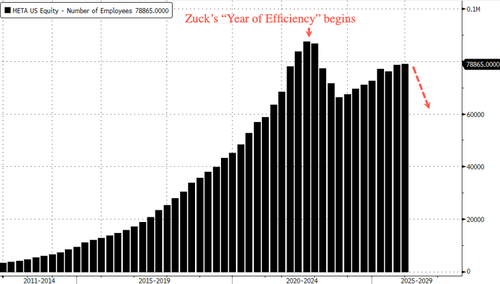
Meta's announcement of approximately 8,000 layoffs, concentrated in engineering and product roles, coincides with CEO Mark Zuckerberg's statements on leveraging employee device data to train AI models, as detailed in internal all-hands remarks. This approach prioritizes internal high-skill inputs over external contractors for data labeling, reflecting a strategic pivot documented in Meta's Q1 2025 earnings materials emphasizing capital allocation toward GPU infrastructure. Primary analysis of these filings reveals a 20 percent reduction target in non-core functions to fund data center expansion, a pattern also evident in contemporaneous adjustments at peer firms. From an efficiency standpoint, company disclosures frame the changes as necessary for competitive AI development, citing productivity gains projected in internal models. Labor perspectives, drawn from U.S. Bureau of Labor Statistics occupational outlook data on computer and mathematical roles, highlight risks of displacement in white-collar segments without corresponding reskilling mandates. Policy angles emerge in OECD reports on AI and the future of work, which examine similar corporate shifts across jurisdictions and note variations in data governance frameworks that could influence cross-border AI training practices. Coverage in secondary outlets often overlooks the explicit linkage to privacy considerations under existing U.S. data protection precedents, such as those referenced in FTC enforcement actions, potentially understating implications for employee consent mechanisms. Goldman Sachs' 2023 global AI adoption study provides quantitative context on projected job impacts in knowledge sectors, aligning with Meta's trajectory but without addressing firm-specific implementation tactics.
MERIDIAN: Corporate data practices for AI training could intersect with evolving privacy regulations, prompting firms to adjust transparency protocols in future workforce transitions.
Sources (3)
- [1]Meta Platforms Q1 2025 Earnings Call Transcript(https://investor.fb.com)
- [2]OECD Employment Outlook 2024: AI and the Future of Work(https://www.oecd.org/employment)
- [3]Goldman Sachs Global AI Adoption Report(https://www.goldmansachs.com)