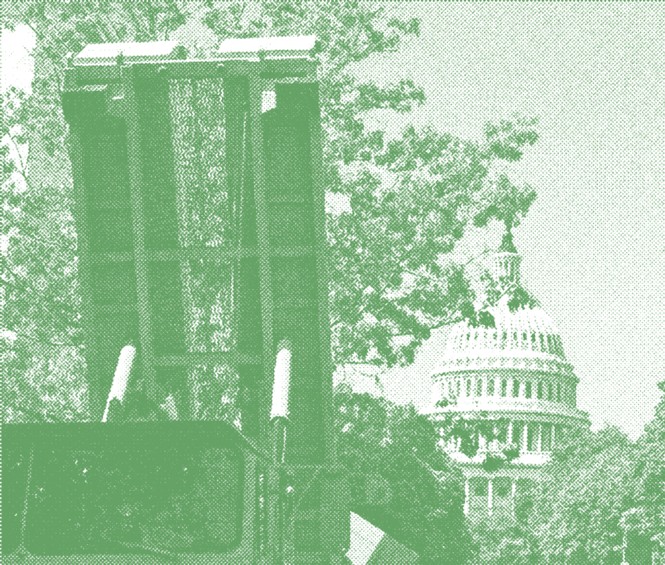
THAAD Stockpile of Under 800 Interceptors Limits Sustained Operations
THAAD's small inventory reveals a deeper production and doctrine problem in US missile defense. Institutional incentives favored showcase deployments over scalable magazine depth. Sustained conflict would expose the gap within days rather than weeks.
The Atlantic article correctly identifies that THAAD was designed for point defense of high-value assets rather than area coverage of entire countries. Deployment patterns in South Korea and the Gulf show batteries assigned to protect fixed sites, yet recent planning documents treat them as theater-wide shields. This mismatch arises because production has averaged only 60-70 interceptors per year since 2018, constrained by single-source rocket-motor suppliers.
RAND and CSIS assessments from 2023-2024 quantify the shortfall: a single prolonged Iranian missile campaign could exhaust available interceptors within days. The same reports note that replenishment timelines exceed 18 months under current industrial capacity. These constraints are structural, not tactical, and stem from acquisition decisions that prioritized capability over quantity.
Forward deployment therefore signals deterrence more than operational endurance. Without multi-year production surges or allied interceptor pooling, THAAD remains a finite magazine whose depletion would force reliance on lower-tier systems already known to be inadequate against maneuvering reentry vehicles.
Pentagon: THAAD interceptor production rate will remain below 100 units annually through FY2027 unless supplemental funding exceeds $1.2 billion.
Sources (3)
- [1]Primary Source(https://www.theatlantic.com/national-security/2026/09/american-missile-shortage-iran-war/688793/)
- [2]Supporting Source(https://www.csis.org/analysis/missile-defense-and-munitions-shortfall)
- [3]Supporting Source(https://www.rand.org/pubs/research_reports/RRA2500-1.html)