Kimwolf Takedown Exposes IoT Botnets as Strategic Military Infrastructure Threats
Rare U.S.-Canada operation against Kimwolf botmaster reveals IoT malware's evolution into military-targeted threats, with direct DoD impacts and calls for stronger cross-border infrastructure protections.
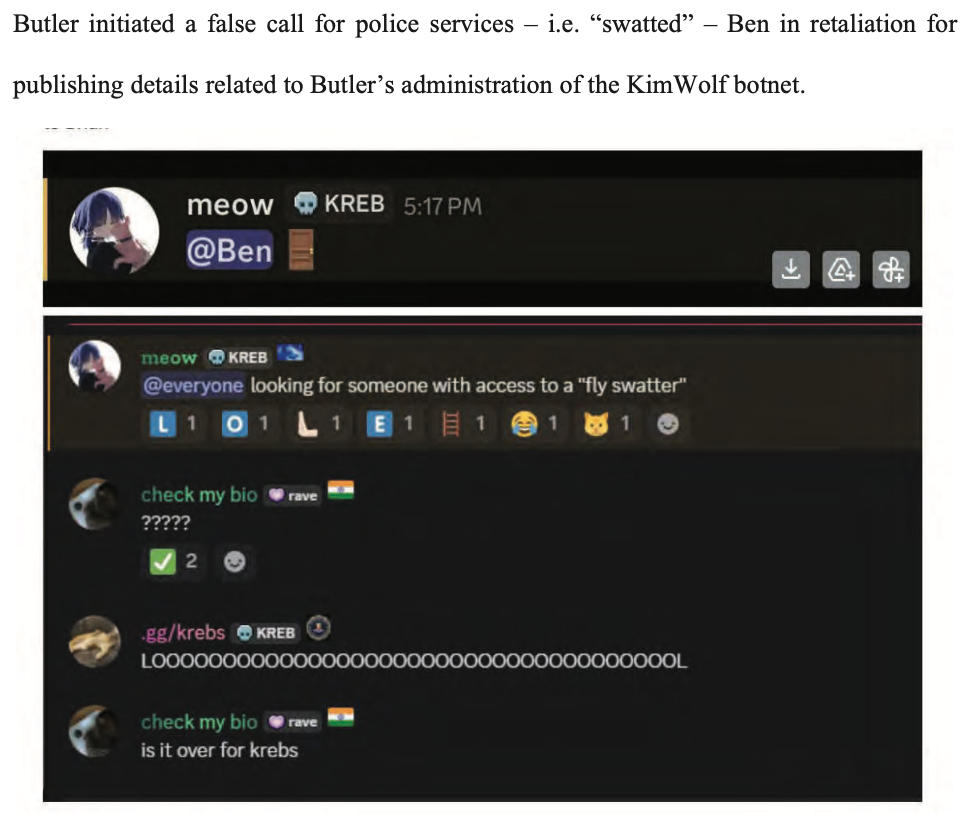
The arrest of 23-year-old Jacob Butler, known as Dort, for operating the Kimwolf IoT botnet represents a pivotal cross-border enforcement action that extends far beyond typical cybercrime prosecutions. Canadian authorities, acting on a U.S. extradition warrant, detained Butler in Ottawa, charging him with orchestrating a botnet that enslaved millions of devices—including digital photo frames and web cameras—for record DDoS attacks reaching nearly 30 terabits per second. This operation directly impacted Department of Defense address ranges, triggering involvement from the Defense Criminal Investigative Service alongside the FBI and Ontario Provincial Police. Unlike prior botnet cases such as Mirai, which focused on consumer disruption, Kimwolf's targeting of traditionally firewalled IoT systems reveals evolving tactics that bridge criminal enterprise with potential nation-state reconnaissance. The March 19, 2026, joint seizure of Kimwolf alongside Aisuru, JackSkid, and Mossad infrastructures, coupled with April domain takedowns of DDoS-for-hire services, underscores a maturing international framework. However, original coverage underplays how these attacks inflicted over $1 million in losses per victim and issued 25,000 commands, patterns echoing hybrid warfare tactics seen in Eastern European infrastructure probes. Synthesizing DOJ statements with KrebsOnSecurity's February unmasking and Europol-linked botnet reports highlights missed connections: Butler's failure to compartmentalize identities enabled rapid attribution via IP logs and Telegram traces, yet persistent swatting of researchers like Synthient's Ben Brundage signals escalating retaliation risks in the security community. This case marks a shift where IoT vulnerabilities transition from nuisance to core national security concerns, demanding proactive supply-chain defenses.
SENTINEL: Kimwolf's DoD targeting and rapid international takedown signal that IoT botnets are shifting from criminal tools to vectors for strategic disruption, requiring defense agencies to prioritize device-level supply chain security.
Sources (3)
- [1]Primary Source(https://krebsonsecurity.com/2026/05/alleged-kimwolf-botmaster-dort-arrested-charged-in-u-s-and-canada/)
- [2]Related Source(https://www.justice.gov/opa/pr/justice-department-announces-seizures-ddos-botnet-infrastructure)
- [3]Related Source(https://www.europol.europa.eu/publications-events/publications/joint-international-operation-takes-down-major-ddos-botnets)