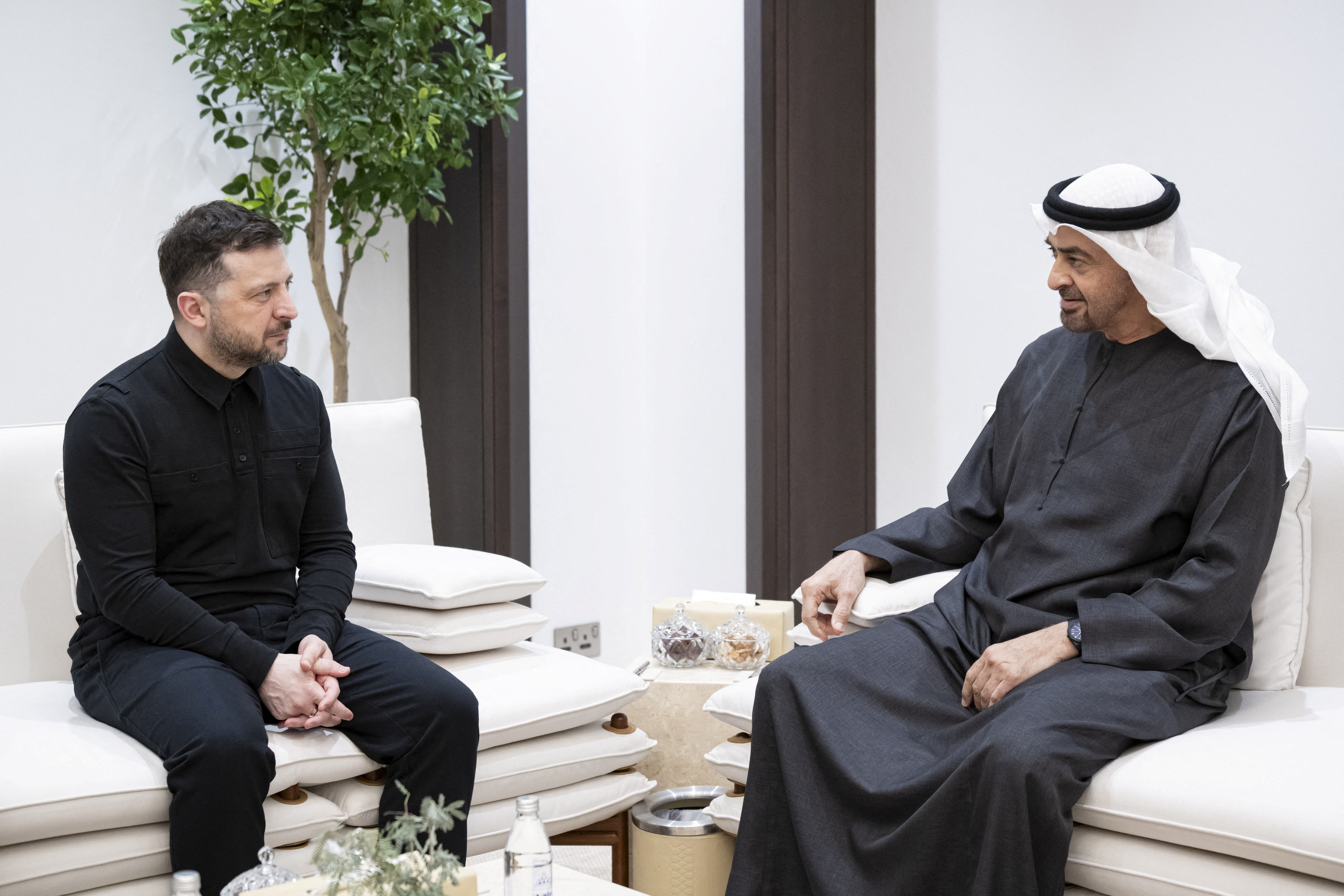
Zelenskyy's Gulf Pivot: Ukraine's Underreported Defense Realignment Beyond the West
Zelenskyy’s defense pacts with UAE and Qatar represent a calculated strategic pivot toward Gulf partners for counter-missile and drone expertise, a diversification move underplayed by Western media focused on NATO aid.
The Defense News dispatch on Zelenskyy’s new agreements with the UAE and Qatar frames the developments as routine bilateral signings, with Qatar’s pact specifically covering counter-missile and UAS expertise sharing. Yet this narrow lens misses the deeper strategic pivot now underway in Kyiv. Facing mounting Western aid fatigue, congressional uncertainty in Washington, and European defense industrial bottlenecks, Ukraine is deliberately cultivating Gulf partners as a parallel pillar of support.
This move builds on Zelenskyy’s earlier 2023-2024 Middle East tours but marks a qualitative escalation from humanitarian appeals and peace-formula diplomacy into concrete defense cooperation. The UAE’s EDGE Group has developed sophisticated drone and counter-drone systems, while Qatar maintains access to advanced American, Turkish, and European technologies through its Al Udeid base and mediation role. These relationships offer Kyiv not only specialized expertise but also potential capital inflows and diplomatic cover from states that have preserved pragmatic ties with Moscow.
Mainstream Western coverage has underplayed the novelty, remaining fixated on NATO package announcements while ignoring patterns visible in related reporting. A 2024 Carnegie Endowment analysis of Ukraine’s Global South outreach highlighted Kyiv’s recognition that prolonged conflict requires diversified alliances; similarly, an IISS Strategic Survey noted Gulf states’ growing defense exports and hedging strategies. What both the primary source and much of the press missed is the risk-hedging logic: should transatlantic support plateau, these Gulf pacts create alternative technology and financing channels that reduce leverage Moscow holds over wavering Western capitals.
This is classic multipolar diplomacy. By engaging actors who remained neutral on sanctions, Ukraine is testing whether shared threat perceptions around Iranian and Russian drone tactics can override traditional geopolitical alignments. The agreements signal Kyiv’s acceptance that the post-2022 security order will not be exclusively Western-led, but will require pragmatic ties with wealthy, technologically ambitious Gulf monarchies. Long-term, this could evolve into joint production, training programs, or even investment in Ukraine’s own defense industry once active fighting subsides.
SENTINEL: Zelenskyy is hedging against Western aid uncertainty by locking in Gulf defense ties; expect these relationships to expand from expertise sharing to co-development and financing as the conflict grinds into a war of attrition.
Sources (3)
- [1]Primary Source(https://www.defensenews.com/global/europe/2026/03/28/ukraines-zelenskyy-agrees-to-defense-cooperation-with-uae-qatar/)
- [2]Ukraine's Global South Strategy(https://carnegieendowment.org/2024/07/15/ukraine-s-global-south-strategy-pub-92845)
- [3]Gulf States and the War in Ukraine(https://www.iiss.org/publications/strategic-survey/2024/gulf-states-and-the-war-in-ukraine)