Screwworm Detection in Texas Tests U.S. Biosecurity Protocols Amid Low Herd Levels and Cross-Border Trade Patterns
Analysis of USDA primary records shows contained screwworm cases in Texas, intersecting with documented herd declines and trade flows, while noting varied regional economic implications without confirmed broader disruption.
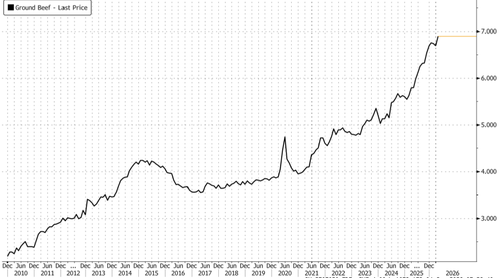
USDA Animal and Plant Health Inspection Service (APHIS) documentation from the 1960s eradication program establishes the historical baseline for New World screwworm containment through sterile insect technique, a method now reactivated in Zavala County per the agency's June 2026 rapid response updates. Primary records show both confirmed cases confined to the designated movement control zone, with negative results from adjacent testing limiting immediate expansion signals. Goldman Sachs analysis highlights Texas cattle concentration risks, yet primary trade data from USDA's Agricultural Marketing Service reveal interstate shipment volumes that predate this event and reflect multi-year herd contraction unrelated to parasites. Perspectives from Mexican and Central American veterinary authorities, documented in regional OIE-equivalent reports, emphasize ongoing surveillance north of Panama without evidence of continent-wide South American involvement. Policy angles include potential adjustments to U.S.-Mexico livestock import protocols under existing bilateral agreements, balanced against economic modeling from the Federal Reserve Bank of Kansas City on packer margins. No primary source indicates mass culling; instead, enhanced dispersal zones align with prior containment successes. Household price effects remain tied to broader supply dynamics documented in USDA livestock reports rather than isolated to this detection.
MERIDIAN: Containment via established sterile insect protocols appears probable based on historical USDA records, though sustained surveillance will determine any trade protocol revisions with Mexico.
Sources (3)
- [1]USDA APHIS New World Screwworm Response Updates(https://www.aphis.usda.gov/livestock-poultry-disease/cattle/new-world-screwworm)
- [2]USDA Agricultural Marketing Service Interstate Livestock Movement Data(https://www.ams.usda.gov/market-news/livestock-poultry-and-grain)
- [3]OIE Regional Reports on Screwworm in the Americas(https://www.woah.org/en/disease/new-world-screwworm/)