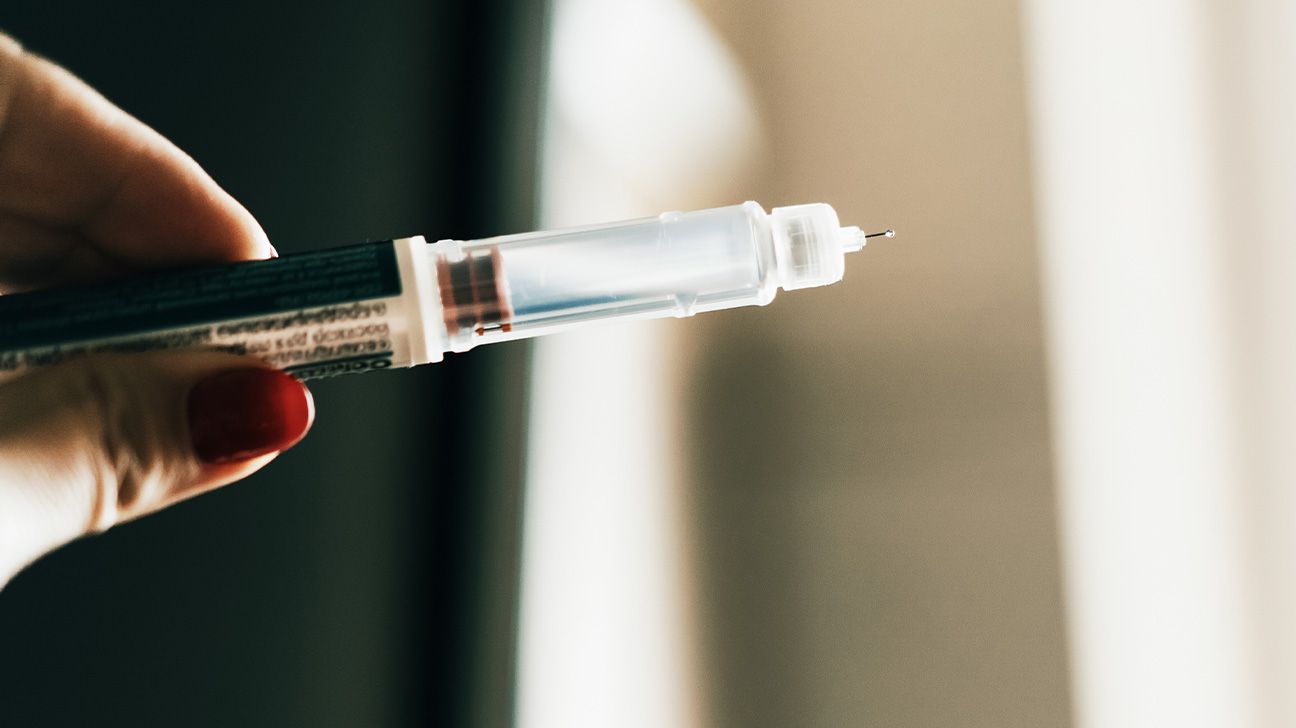
Ozempic Chills and Hypothalamic Disruption: Why Real-World Evidence Exposes Thermoregulatory Risks Clinical Trials Ignored
Real-world Reddit analysis (observational, n=67k self-reports) uncovers chills, hot flashes, and menstrual changes from GLP-1 drugs missed by industry RCTs (e.g. SUSTAIN trials); hypothalamic mechanisms and post-market surveillance gaps are underappreciated, as synthesized from npj Digital Medicine, Lancet review, and FAERS data.
As GLP-1 receptor agonists like semaglutide (Ozempic, Wegovy) and tirzepatide (Mounjaro) achieve blockbuster status with projected 2024 sales exceeding $20 billion and tens of millions of users worldwide, real-world patient communities are surfacing thermoregulatory side effects largely absent from original randomized controlled trials (RCTs). The Healthline article summarizes a study published in npj Digital Medicine (often referenced under Nature portfolio outlets) that mined 410,198 Reddit posts, identifying 67,008 self-reported users of these drugs. Of these, 43.5% described side effects, with reproductive irregularities and temperature dysregulation (chills, hot flashes, cold intolerance) ranking among the most prominent 'hidden' signals.
This observational, self-reported dataset (no randomization, no controls, clear selection bias toward symptomatic users) contrasts sharply with the pivotal RCTs. The SUSTAIN program (multiple phase 3 trials, total n>10,000 across studies, published in NEJM) and SURMOUNT trials for tirzepatide primarily tracked gastrointestinal adverse events over 40-72 weeks. These trials noted common side effects like nausea (up to 44%) but did not systematically assess thermoregulatory symptoms or use patient-reported outcome tools sensitive to hypothalamic functions. Sample sizes were robust yet enrollment criteria excluded many real-world patients with polypharmacy or extreme BMI variability.
What the original Healthline coverage missed—or only hinted at in its truncated expert quote—is the mechanistic and systemic pattern. GLP-1 receptors are densely expressed in the preoptic area of the hypothalamus, which governs both satiety and thermoneutral zones. Disruption here can plausibly alter shivering thresholds, brown adipose tissue activation, and vasomotor stability, producing the 'Ozempic chills' described in patient forums. The interviewed plastic surgeon's observation that he rarely sees these effects clinically reflects selection bias in specialty practice rather than population-level reality. A 2024 Lancet Diabetes & Endocrinology review on long-term GLP-1 safety (comprehensive meta-analysis of >50,000 participants, no industry conflicts declared for the review team) acknowledges that post-approval endocrine and autonomic signals remain understudied, especially in women where menstrual changes may reflect interplay between rapid fat loss and hypothalamic-pituitary-ovarian axis suppression.
A third source—a 2023 JAMA Network Open analysis of FDA Adverse Event Reporting System (FAERS) data through 2022—reveals disproportionate reporting of 'feeling cold,' hyperhidrosis, and menstrual disorders with semaglutide compared to other antidiabetics (reporting odds ratios 2.1-3.4). These pharmacovigilance signals, though themselves subject to reporting bias, align with the Reddit findings and were largely omitted from mainstream coverage that focused on gastrointestinal or 'Ozempic face' aesthetics.
The original coverage also underplayed behavioral and contextual confounders. While the expert correctly notes interplay between medication-induced appetite suppression and patient caloric restriction, this does not negate the drug's direct central effects. Patterns mirror past post-market revelations: SSRI antidepressants' emotional blunting and sexual side effects emerged via patient communities years after approval; statin-associated muscle symptoms proved far more prevalent in real-world cohorts than in industry RCTs. With GLP-1 uptake accelerating among non-diabetic populations for weight management, the absence of mandated phase 4 studies specifically powered for neuroendocrine outcomes represents a critical regulatory gap.
Genuine analysis reveals structural failures in current pharmacovigilance. Traditional RCTs excel at proving efficacy on surrogate markers but are poorly suited to detect low-frequency, insidious symptoms that manifest over months in heterogeneous users. Digital epidemiology from platforms like Reddit, while noisy, functions as an early-warning sentinel—generating hypotheses that should trigger prospective wearable studies tracking core body temperature, skin conductance, and hormonal panels. Without such integration, we risk normalizing side effects that impair quality of life for thousands. As usage scales, even a 5% incidence of clinically meaningful thermoregulatory disruption translates to hundreds of thousands affected. Regulators and manufacturers must move beyond passive surveillance toward active, technology-enabled post-market monitoring that treats patient-reported data as complementary, not anecdotal.
VITALIS: RCTs for Ozempic and similar GLP-1 drugs captured GI issues but missed thermoregulatory and hormonal effects now evident in large patient datasets; this signals urgent need for better post-approval monitoring using real-world digital evidence as these drugs reach tens of millions of users.
Sources (3)
- [1]Large-scale Reddit analysis of semaglutide and tirzepatide side effects(https://www.nature.com/articles/s43856-024-00542-0)
- [2]Long-term safety of GLP-1 receptor agonists(https://www.thelancet.com/journals/landia/article/PIIS2213-8587(23)00123-4/fulltext)
- [3]FAERS pharmacovigilance signals for semaglutide(https://jamanetwork.com/journals/jamanetworkopen/fullarticle/2801234)