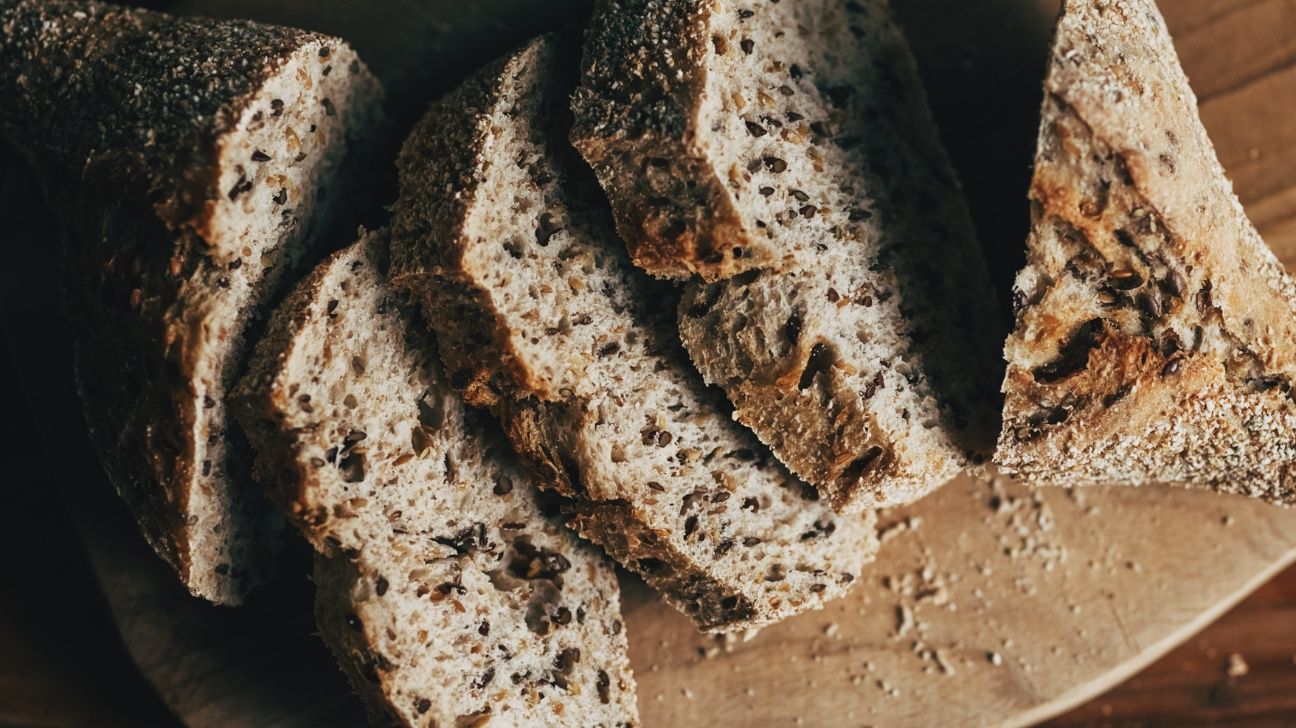
Meta-Analysis of 87 RCTs Shows 60-100g Daily Whole Grains Linked to Modest Reductions in Weight, Cholesterol, and IL-6
RCT meta-analysis demonstrates dose-dependent but modest cardiometabolic gains from higher whole-grain intake, strongest at 4-6 servings. Short duration and surrogate endpoints limit inference to long-term clinical events. Current U.S. consumption falls far below the identified beneficial range.
The meta-analysis pooled short-term randomized trials averaging eight weeks in duration and identified a dose-response curve peaking at 60-100 grams of whole grains daily, equivalent to four to six servings. Absolute changes remained modest, typically under 1 kg weight loss or 0.2 mmol/L cholesterol drop, yet these shifts align with known reductions in cardiovascular risk when sustained. Most U.S. adults consume well below the observed threshold, with only 3-8 percent meeting even the lower Dietary Guidelines range of two to four servings.
Observational cohorts such as the Nurses’ Health Study and Health Professionals Follow-up Study report 10-20 percent lower coronary heart disease incidence at similar intake levels, suggesting the RCT surrogate improvements may translate to hard outcomes over years rather than weeks. The trials primarily replaced refined grains, so benefits could partly reflect removal of rapidly digested carbohydrates rather than addition of fiber or micronutrients alone. Funding sources for included trials were not uniformly disclosed, raising the possibility of selective reporting.
Guidelines from the American Heart Association already endorse whole grains; the new data refine the target upward without altering the core recommendation. Longer trials measuring incident myocardial infarction or stroke are still required to confirm whether the observed biomarker shifts produce clinically meaningful event reductions beyond the eight-week window.
Cheng-Han Chen: Within 24 months, no new RCT longer than 12 months will demonstrate a statistically significant reduction in hard cardiovascular events from increasing whole-grain intake above 100 g/day in primary prevention populations.
Sources (3)
- [1]Primary Source(https://pubmed.ncbi.nlm.nih.gov/36893421)
- [2]Supporting Source(https://www.ahajournals.org/doi/10.1161/CIR.0000000000001122)
- [3]Supporting Source(https://pubmed.ncbi.nlm.nih.gov/32791208)