U.S.-Iran Clash in Strait of Hormuz Signals Escalating Proxy War and Global Energy Risks
The U.S. military’s destruction of Iranian boats and interception of missiles in the Strait of Hormuz on May 4, 2026, highlights escalating tensions and Iran’s asymmetric warfare strategy. Beyond the tactical win, this incident risks global oil supply disruptions and signals a broader proxy war, with historical patterns and economic stakes underscoring the fragility of regional stability.
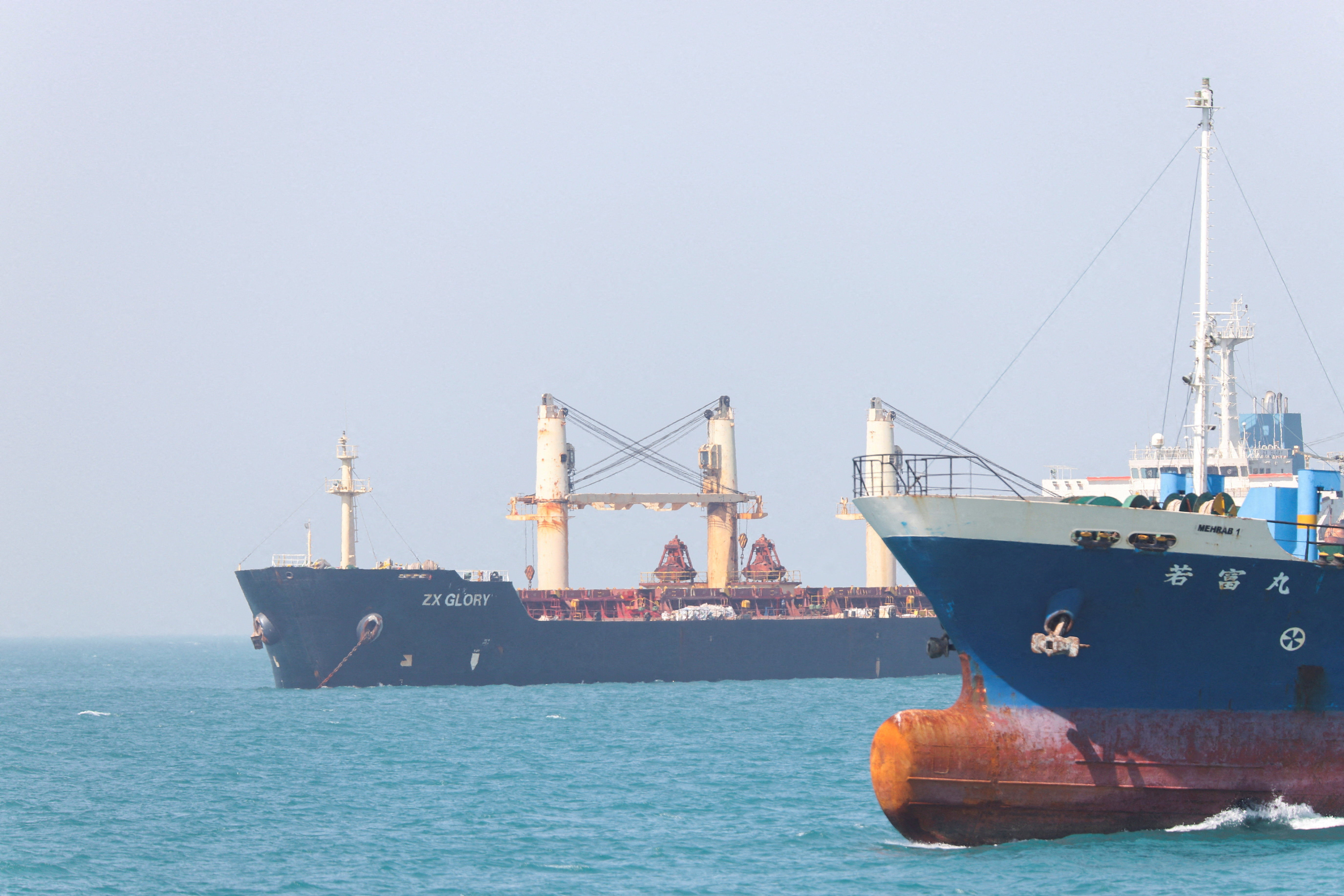
On May 4, 2026, U.S. forces destroyed six Iranian small boats and intercepted cruise missiles and drones in the Strait of Hormuz, as reported by Admiral Brad Cooper of Central Command. This incident, part of a broader U.S. operation to secure shipping lanes, underscores a dangerous escalation in U.S.-Iran tensions at a critical global chokepoint. Beyond the immediate military action, this clash reveals deeper geopolitical currents: Iran’s persistent use of asymmetric warfare through the Islamic Revolutionary Guard Corps (IRGC), the fragility of Middle East stability, and the looming threat to global oil supplies, with the Strait handling roughly 20% of the world’s oil transit.
The original coverage by Defense News focused on tactical details—U.S. defensive capabilities and troop deployments—but missed critical context. First, it failed to address the broader pattern of Iranian harassment in the Strait, a tactic dating back to the 1980s Tanker War, where Iran mined shipping lanes and attacked vessels to pressure the West. Second, it overlooked the role of proxy forces; Iran’s use of small boats and drones often extends to non-state actors like the Houthis in Yemen, who have similarly disrupted Red Sea shipping. This incident is not isolated but part of a coordinated strategy to challenge U.S. dominance in the region.
Drawing on historical patterns, Iran’s actions align with its post-2019 escalation following the U.S. withdrawal from the JCPOA (Iran Nuclear Deal). Events like the 2019 attacks on oil tankers near the Strait and the 2020 killing of Qasem Soleimani have fueled a cycle of retaliation. Iran’s behavior also reflects domestic pressures—hardliners in Tehran may be using these provocations to rally nationalist support amid economic sanctions. The U.S. blockade mentioned by Admiral Cooper, while tactically effective, risks further inflaming these tensions, potentially pushing Iran to double down on proxy warfare or cyber operations, areas where it has shown growing sophistication.
What’s also missing from the original story is the global economic fallout. A sustained disruption in the Strait could spike oil prices by 20-30%, as seen during past crises (e.g., 1979 Iranian Revolution), impacting inflation and supply chains worldwide. The U.S. operation, while robust with 15,000 troops and multi-layered defenses, cannot fully mitigate this risk if Iran escalates to mining or suicide boat attacks—tactics it has historically employed. Moreover, the lack of clarity on the April 8 ceasefire’s status suggests diplomatic channels are fraying, reducing the likelihood of de-escalation.
Synthesizing additional sources, a 2025 Reuters report highlighted Iran’s increased drone production, often supplied to proxies, indicating a stockpiling effort for such confrontations. Similarly, a 2024 CSIS analysis warned of the Strait’s vulnerability to hybrid warfare, predicting that U.S. naval dominance could be offset by Iran’s low-cost, high-impact tactics. These insights reinforce that the May 4 incident is not a standalone event but a flashpoint in a long-brewing proxy conflict.
Ultimately, this clash signals a power shift: Iran is testing U.S. resolve while exploiting gaps in international coalition-building—key allies like Saudi Arabia and the UAE have shown reluctance to fully back U.S. actions due to their own détente efforts with Tehran. The risk of miscalculation looms large, potentially drawing in other actors (e.g., Russia or China, both with stakes in Iranian oil). Without a diplomatic off-ramp, the Strait of Hormuz remains a tinderbox for wider conflict.
SENTINEL: Without urgent diplomatic intervention, expect Iran to escalate asymmetric attacks in the Strait, potentially using proxies or cyber tools, within the next 3-6 months, risking a broader regional conflict.
Sources (3)
- [1]US Destroys Six Iranian Small Boats, Shoots Down Missiles, Drones, Admiral Says(https://www.defensenews.com/news/pentagon-congress/2026/05/04/us-destroys-six-iranian-small-boats-shoots-down-missiles-drones-admiral-says/)
- [2]Iran Ramps Up Drone Production Amid Regional Tensions(https://www.reuters.com/world/middle-east/iran-drone-production-increase-2025/)
- [3]Hybrid Warfare Risks in the Strait of Hormuz(https://www.csis.org/analysis/hybrid-warfare-strait-hormuz-2024)