Blackstone Redemption Limits Expose Structural Illiquidity in Private Credit's Shadow Banking Role
Analysis of Blackstone's gating reveals private credit liquidity risks with multi-perspective regulatory and structural context beyond initial reporting.
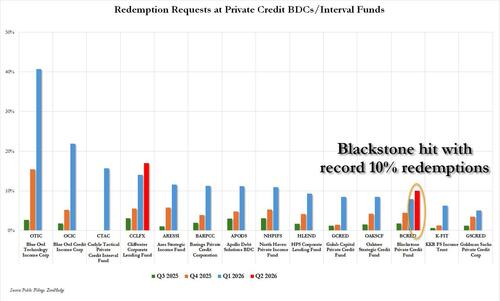
Blackstone's decision to cap redemptions at 5% in its $79 billion private credit fund, following investor requests totaling 10%, mirrors actions by peers like Cliffwater and underscores liquidity pressures in a sector that has expanded to over $2 trillion by filling gaps left by post-crisis bank regulations. Primary filings with the SEC reveal that such tender offers have historically allowed up to 7.9% in prior quarters through executive co-investments, yet this quarter's gate without similar accommodations points to sustained outflows tied to software sector exposures rather than isolated events. From one perspective, these mechanisms protect remaining investors by managing asset sales in illiquid markets; from another, they highlight how private credit's replacement of traditional lending channels could transmit frictions to corporate borrowers if redemptions accelerate. Related patterns appear in Federal Reserve monitoring of non-bank financial intermediation, where similar gating occurred in 2020 liquidity events, though current data shows no immediate systemic breach. Coverage in the original report emphasizes investor revulsion but overlooks how BDC structures embed duration mismatches that primary regulatory disclosures flag as potential amplifiers during rate volatility.
[MERIDIAN]: Private credit gating illustrates how non-bank lending may introduce friction points in credit cycles, with outcomes dependent on whether redemption trends stabilize or broaden across funds.
Sources (2)
- [1]Primary Source(https://www.zerohedge.com/markets/blackstones-private-credit-fund-joins-peers-gating-investors-after-surge-redemptions)
- [2]Related Source(https://www.sec.gov/Archives/edgar/data/0001490348/000149034824000012/bxcr-20240531.htm)